
Introduction
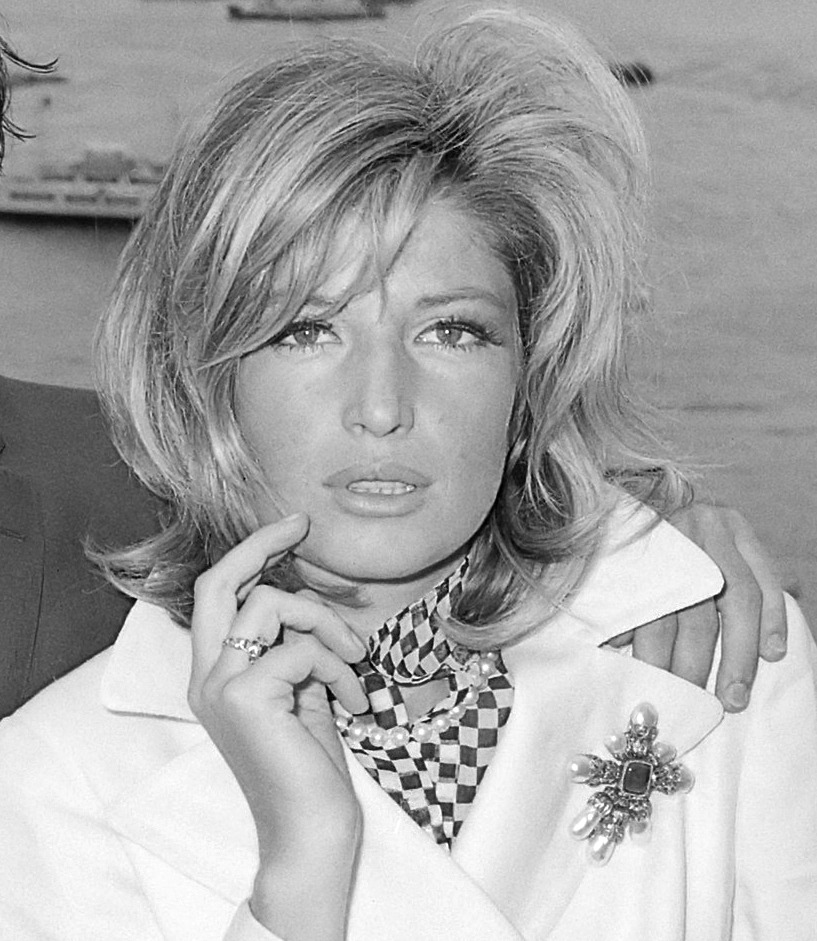
Monica Vitti, born Maria Luisa Ceciarelli on November 3, 1931, in Rome, Italy, is a name that resonates deeply in the annals of Italian and international cinema. Celebrated as the “Queen of Italian Cinema,” Vitti’s career spanned several decades, marked by her versatility, iconic performances, and profound impact on the film industry. From her early days in theater to becoming a muse for Michelangelo Antonioni and a beloved figure in Italian comedy, Vitti’s legacy is rich with artistic achievements and personal triumphs. This article explores her life, age, fame, and the highlights that defined her illustrious career.
Early Life and Education
Monica Vitti was born into a middle-class family in Rome, where she spent her childhood immersed in the vibrant culture of the city. Her passion for acting was evident from a young age, leading her to enroll at the prestigious Accademia d’Arte Drammatica Silvio D’Amico, one of Italy’s leading drama schools. Vitti graduated in 1953, equipped with the skills and determination to pursue a career in the performing arts.
Her early years in the theater were marked by roles that showcased her dramatic prowess, particularly in plays like “Sei storie da ridere” (1956) and “Capricci di Marianna” (1959). These performances quickly established Vitti as a promising young talent in the Italian theater scene, paving the way for her transition to cinema.
The Breakthrough: Collaborations with Michelangelo Antonioni
Monica Vitti’s career took a pivotal turn in 1959 when she made her film debut in “Le dritte.” However, it was her collaboration with the legendary director Michelangelo Antonioni that truly catapulted her to fame. Antonioni and Vitti formed one of the most iconic director-actress partnerships in film history, resulting in a series of groundbreaking films that explored the complexities of modern life and human relationships.
Their first collaboration, “L’avventura” (1960), was a critical and commercial success, establishing Vitti as a leading figure in Italian cinema. The film’s exploration of existential themes, combined with Vitti’s nuanced performance, resonated with audiences and critics alike. This was followed by “La notte” (1961), “L’eclisse” (1962), and “Red Desert” (1964), each of which further cemented Vitti’s reputation as a formidable actress capable of conveying deep emotional complexity.
Antonioni’s films were characterized by their exploration of alienation, despair, and the intricacies of human relationships—themes that Vitti brought to life with her enigmatic screen presence and emotional depth. Their personal relationship also flourished during this period, adding an intimate dimension to their professional collaborations. Although their romantic relationship eventually ended, their professional partnership remained one of the most celebrated in the history of cinema.
Transition to Comedy: A New Era in the 1960s
While Monica Vitti gained international acclaim for her work in Antonioni’s dramatic films, the latter half of the 1960s saw her successfully transition to comedy—a genre that would highlight her versatility as an actress. Under the direction of filmmakers like Mario Monicelli, Vitti demonstrated her exceptional comedic timing and ability to portray strong, witty, and relatable female characters.
One of her most notable performances in this genre was in “La ragazza con la pistola” (1968), directed by Mario Monicelli. The film showcased Vitti’s ability to blend humor with social commentary, a combination that resonated with audiences and critics alike. Her role as Assunta, a woman seeking revenge on the man who wronged her, was both hilarious and poignant, solidifying her status as a leading lady in Italian comedy.
Vitti continued to shine in comedies throughout the late 1960s and 1970s, starring in films like “Amore mio aiutami” (1969) alongside Alberto Sordi and “Dramma della gelosia” (1970), directed by Ettore Scola. These films not only highlighted her comedic talent but also showcased her ability to navigate complex emotional landscapes, making her performances deeply engaging and memorable.
International Recognition and Expanding Horizons
Monica Vitti’s talent and charm were not confined to Italy. Her work began to attract the attention of international filmmakers, leading to collaborations with directors outside Italy. In 1969, she starred in “Modesty Blaise,” directed by Joseph Losey, a film that presented her as an international star. Though the film itself was a mixed success, Vitti’s performance was widely praised, demonstrating her ability to transcend language and cultural barriers.
In 1974, Vitti worked with the renowned Spanish director Luis Buñuel in “Il fantasma della libertà” (The Phantom of Liberty), a surrealist film that further showcased her versatility. Vitti’s ability to adapt to different cinematic styles and genres made her a sought-after actress in European cinema, adding to her already impressive repertoire.
The 1970s and 1980s: Continued Success and Personal Milestones
The 1970s and 1980s were a period of sustained success for Monica Vitti, both professionally and personally. Her performances during this time continued to earn critical acclaim and solidified her status as one of Italy’s most beloved actresses. She received numerous accolades, including three Nastri d’Argento awards and five David di Donatello awards, Italy’s most prestigious film honors.
Despite her success in film, Vitti never abandoned her love for the theater. In 1986, she returned to the stage in “La strana coppia,” directed by Franca Valeri. This performance was a testament to her enduring passion for acting and her ability to captivate audiences across different mediums.
Vitti also made significant contributions to Italian television, starring alongside the legendary Eduardo De Filippo in “I cilindri” in 1978. Her ability to transition seamlessly between film, theater, and television was a testament to her extraordinary talent and versatility.
Directorial Debut and Autobiography
As the 1980s progressed, Monica Vitti began to explore new creative avenues. In 1990, she made her directorial debut with the film “Scandalo Segreto,” in which she also starred. The film was well-received, earning Vitti a Globo d’Oro for Best Director and Best Actress, further cementing her reputation as a multi-talented artist.
In 1993, Vitti published her autobiography, “Sette sottane,” offering readers an intimate glimpse into her life, career, and the personal experiences that shaped her. The book was a critical success, praised for its candidness and insight into the life of one of Italy’s most enigmatic stars.
Later Years and Legacy
The 1990s marked a period of reflection and relative seclusion for Monica Vitti. After her marriage to Roberto Russo in 2000, she gradually withdrew from the public eye. Rumors about her health began to circulate, with reports suggesting that she was battling a degenerative illness. These rumors were later confirmed when it was revealed that Vitti was suffering from Alzheimer’s disease, a condition that ultimately led to her retirement from acting.
Despite her absence from the public sphere, Monica Vitti’s legacy continued to thrive. In 2021, to mark her 90th birthday, a docufilm titled “Vitti d’arte, Vitti d’amore,” directed by Fabrizio Corallo, was released. The film, promoted by RAI, celebrated her life and contributions to cinema, ensuring that her legacy would be remembered by future generations.
Vitti’s death on February 2, 2022, marked the end of an era in Italian cinema. However, her impact on the film industry remains profound. She is remembered not only for her extraordinary performances but also for her ability to break boundaries and redefine what it meant to be a leading lady in Italian cinema.
Conclusion
Monica Vitti’s life and career were a testament to her unparalleled talent, versatility, and enduring influence on the world of cinema. From her early days in theater to her iconic roles in film, Vitti captivated audiences with her ability to convey deep emotion and humor with equal grace. Her collaborations with Michelangelo Antonioni brought her international acclaim, while her work in comedy showcased her remarkable range as an actress.
As we reflect on Monica Vitti’s contributions to cinema, it is clear that her legacy will continue to inspire and influence generations of filmmakers and actors. Her life was one of artistic exploration and personal triumph, and her impact on the world of cinema will be felt for many years to come.


