
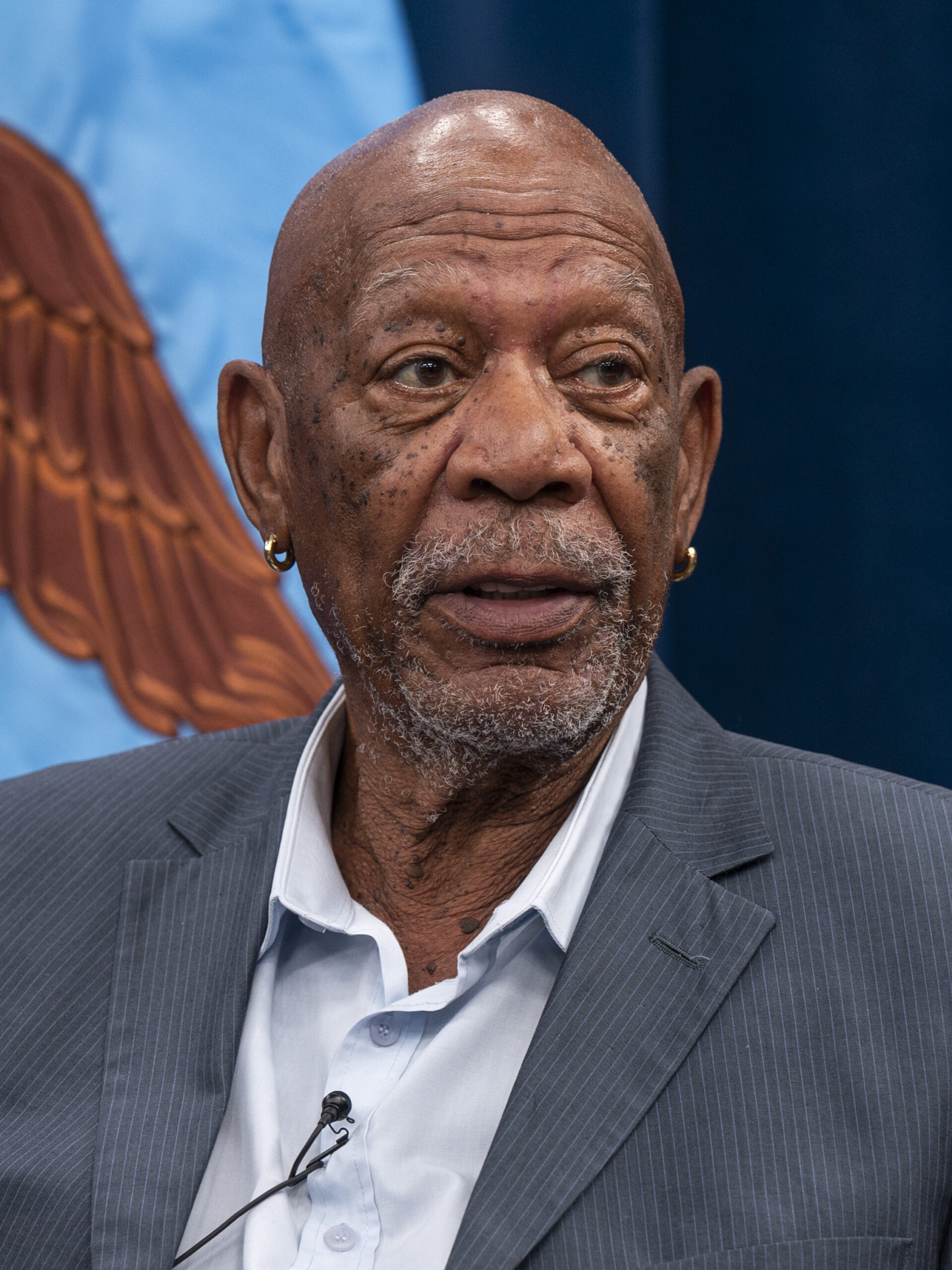
Morgan Freeman, a name synonymous with wisdom, gravitas, and unparalleled talent, has carved an indelible mark in the world of cinema. Born on June 1, 1937, in Memphis, Tennessee, Freeman’s journey from humble beginnings to becoming one of Hollywood’s most revered actors is as inspiring as it is remarkable. This article delves into the life of Morgan Freeman, exploring his age, the rise to fame, and the significant highlights of his life and career.
Early Life and Background
Morgan Freeman was born to Morgan Porterfield Freeman, a barber, and Mayme Edna, a domestic worker. He was the youngest of four children in a family that frequently relocated during his early years. From Greenwood, Mississippi, to Gary, Indiana, and finally to Chicago, Illinois, Freeman’s early life was marked by constant movement, a factor that may have contributed to his adaptability and resilience in later years.
Freeman’s first foray into acting came at the tender age of eight when he took the stage in a school play. This early experience ignited a passion for acting that would continue to grow. By the age of twelve, Freeman had already won a statewide drama competition, which led to his participation in a radio show in Nashville, Tennessee, while still attending high school. These early experiences laid the foundation for what would become a legendary career.
The Road to Stardom
Despite his early success in acting, Freeman’s path to stardom was not straightforward. In 1955, he decided to put his acting ambitions on hold and joined the U.S. Air Force, where he worked as a mechanic. However, the allure of the stage never left him, and after his service, Freeman moved to Los Angeles, where he worked as a transcription clerk at the Los Angeles Community College.
Freeman’s love for the performing arts led him to New York City, where he worked as a dancer at the 1964 World’s Fair. He also became a member of the Opera Ring musical group in San Francisco. It was during this period that Freeman reconnected with his passion for acting, eventually joining a professional theater company. His theatrical debut came in a reimagined version of “The Royal Hunt of the Sun,” and he also made his film debut with a minor role in “The Pawnbroker” in 1964.
Rise to Fame
Morgan Freeman’s rise to fame began with his work on the children’s television show “The Electric Company,” produced by PBS. The show, which aired in the 1970s, helped Freeman gain recognition, particularly among younger audiences. He later appeared in the soap opera “Another World” and in various other television roles, gradually building a reputation for his acting skills.
However, it wasn’t until the mid-1980s that Freeman began to receive significant attention in Hollywood. His performances in films such as “Street Smart” (1987), where he played the role of a pimp named Fast Black, earned him his first Academy Award nomination for Best Supporting Actor. This was followed by memorable roles in “Glory” (1989) and “Driving Miss Daisy” (1989), the latter of which won him his second Academy Award nomination, this time for Best Actor.
Career Highlights
The 1990s were a defining decade for Morgan Freeman, as he solidified his place as one of Hollywood’s most respected actors. In 1992, he starred in Clint Eastwood’s critically acclaimed western “Unforgiven,” where his portrayal of Ned Logan was lauded by critics and audiences alike. His role as Ellis “Red” Redding in “The Shawshank Redemption” (1994) remains one of the most iconic performances in cinematic history. The film, based on a novella by Stephen King, did not achieve massive box office success upon its initial release but has since become a classic, with Freeman’s performance being a significant reason for its enduring popularity.
Freeman’s deep, resonant voice also became one of his trademarks, leading to numerous roles as a narrator in documentaries and films. His narration work includes the Oscar-winning documentary “March of the Penguins” (2005) and Steven Spielberg’s “War of the Worlds” (2005). These projects showcased Freeman’s ability to lend his authoritative and calming voice to various storytelling mediums, further enhancing his status as a versatile and beloved actor.
In 2005, Freeman’s portrayal of Eddie “Scrap-Iron” Dupris in “Million Dollar Baby,” directed by Clint Eastwood, earned him an Academy Award for Best Supporting Actor. The role was a culmination of years of dedication to his craft, and it cemented Freeman’s reputation as one of the finest actors of his generation.
Later Years and Continued Success
As Freeman entered the later stages of his career, he continued to take on diverse and challenging roles. In 2007, he played the role of Carter Chambers in “The Bucket List” alongside Jack Nicholson, a film that explored themes of mortality and the importance of living life to the fullest. The film was both a commercial success and a testament to Freeman’s ability to connect with audiences through emotionally resonant performances.
Freeman’s portrayal of Nelson Mandela in the 2009 film “Invictus,” directed by Clint Eastwood, was another career highlight. The film, which focused on Mandela’s efforts to unite South Africa during the 1995 Rugby World Cup, earned Freeman yet another Academy Award nomination, this time for Best Actor. His performance was widely praised for its authenticity and depth, showcasing his commitment to bringing complex historical figures to life on screen.
In addition to his acting career, Freeman has also made significant contributions to the film industry as a producer. In 1997, he co-founded Revelations Entertainment with Lori McCreary, a production company dedicated to producing thought-provoking and socially relevant films. Under this banner, Freeman has produced several films and documentaries, further solidifying his influence in Hollywood.
Personal Life and Legacy
Morgan Freeman’s personal life has been marked by both triumphs and challenges. He has been married twice, first to Jeanette Adair Bradshaw from 1967 to 1979, and then to Myrna Colley-Lee, whom he married in 1984. Freeman has four children, including two sons from previous relationships and an adopted daughter from his first marriage.
Freeman’s legacy extends beyond his filmography. He is known for his philanthropic efforts, particularly in the areas of education and environmental conservation. He has supported various charitable organizations and has used his platform to raise awareness about important social issues. In 2008, Freeman established the Grenada Relief Fund, which provides aid to victims of natural disasters in Grenada, a Caribbean nation he has a deep connection with.
Conclusion
Morgan Freeman’s life and career are a testament to the power of perseverance, talent, and passion. From his early beginnings in Memphis to becoming a global icon, Freeman’s journey is one of remarkable achievement and unwavering dedication to his craft. At the age of 87, Freeman continues to captivate audiences with his performances, leaving an indelible mark on the world of cinema.
His contributions to film and society at large ensure that his legacy will endure for generations to come. Morgan Freeman is not just an actor; he is a cultural institution, a symbol of excellence, and a source of inspiration for aspiring actors and filmmakers worldwide. Whether on screen or behind the scenes, Freeman’s influence is felt across the industry, making him one of the most respected and beloved figures in Hollywood history.


