
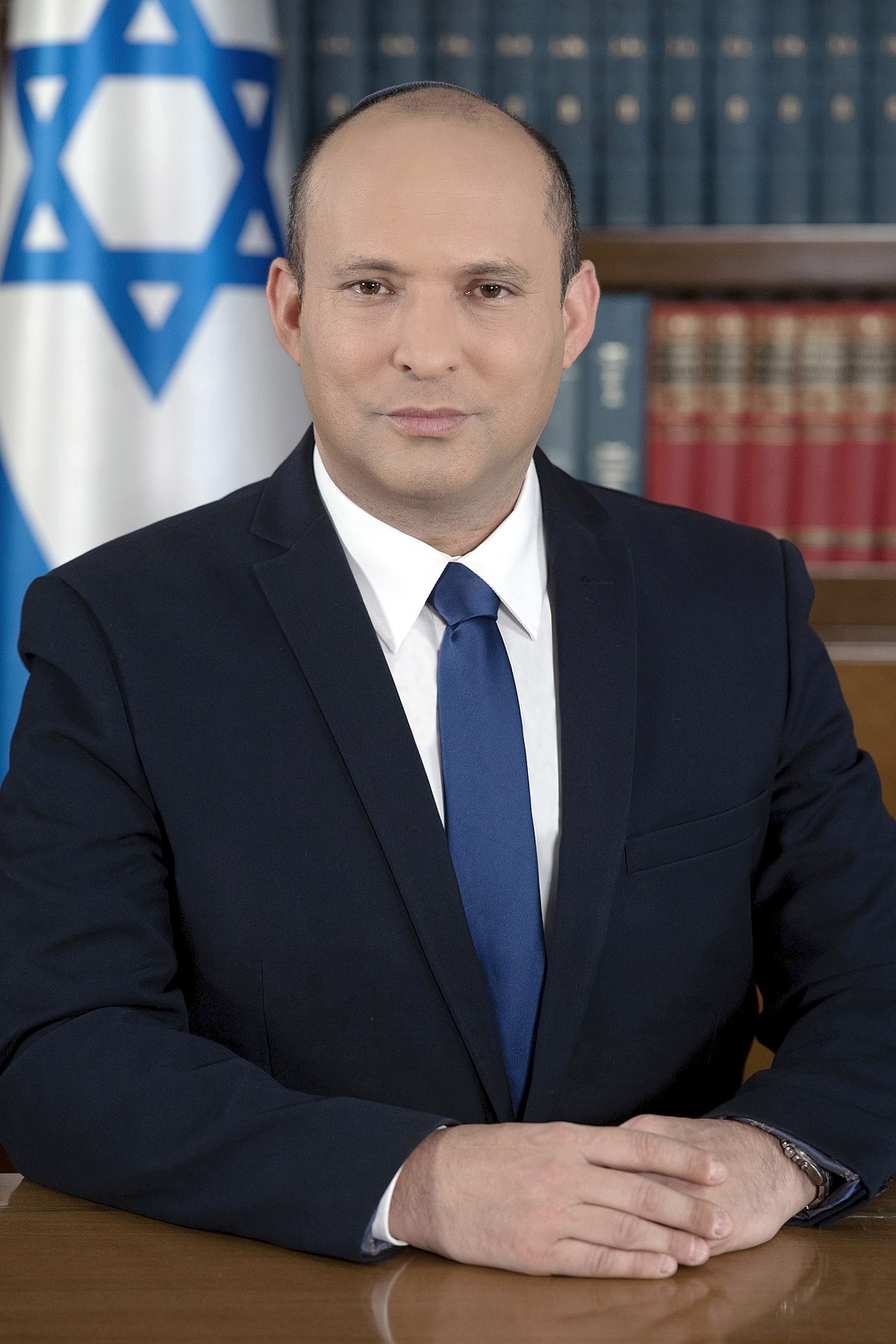
Naftali Bennett is an influential Israeli politician, former military officer, and entrepreneur who has significantly impacted Israel’s political landscape. Born on March 25, 1972, in Haifa, Israel, Bennett’s journey from a tech entrepreneur to the Prime Minister of Israel is a fascinating tale of ambition, resilience, and leadership. This comprehensive exploration delves into his age, rise to fame, and significant life highlights, providing detailed insights and historical context.
Early Life and Military Career
Naftali Bennett was born into a family of American Jewish immigrants from San Francisco who moved to Israel shortly after the Six-Day War in 1967. His parents, Jim and Myrna Bennett, were not particularly religious, but Bennett himself became actively involved in Bnei Akiva, a religious Zionist youth movement.
Bennett’s early life was marked by a strong commitment to his country. He served in the elite Sayeret Matkal and Maglan units of the Israel Defense Forces (IDF), achieving the rank of Major. During his military service, he participated in various critical operations, including Operation Grapes of Wrath in southern Lebanon in 1996. His experiences in the military shaped his views on security and defense, which later influenced his political career.
Education and Early Career in Technology
Following his military service, Bennett pursued higher education, earning a degree in law from the Hebrew University of Jerusalem. He then moved to Manhattan, New York City, to work in the business sector. In 1999, he co-founded Cyota, a software company specializing in anti-fraud technologies for online banking. The company was highly successful and was sold to RSA Security for $145 million in 2005, making Bennett a multimillionaire.
Bennett’s success in the tech industry did not end with Cyota. He became the CEO of Soluto, a Tel Aviv-based tech company, further solidifying his reputation as a savvy entrepreneur and business leader.
Transition to Politics
In 2006, Naftali Bennett transitioned from the business world to politics, becoming the chief of staff for Benjamin Netanyahu, who was then the leader of the opposition in Israel. His tenure with Netanyahu provided him with invaluable political experience and insights into the workings of Israeli politics.
Bennett’s political journey took a significant turn when he left Likud, Netanyahu’s party, to join and eventually lead The Jewish Home party, which was affiliated with the religious Zionist movement. Under his leadership, The Jewish Home gained considerable influence, and Bennett was elected to the Knesset (Israeli Parliament). He renounced his American citizenship, a requirement for holding public office in Israel.
Ministerial Roles and Political Ascendancy
Bennett’s political career quickly advanced as he took on several ministerial roles. He served as Minister of Economy and Minister of Religious Services in Netanyahu’s government from 2013 to 2015. His tenure was marked by efforts to reduce bureaucracy and promote economic liberalization. Bennett also held the positions of Minister of Education and Minister of Defense, where he pushed for policies that reflected his security-first approach.
In 2018, Bennett proposed the “Stability Initiative,” advocating for the annexation of Area C in the West Bank, which comprises about 60% of the territory. His stance on security and territorial issues often placed him at the center of controversy but also earned him a dedicated following among right-wing and religious Zionist voters.
Formation of the New Right and Path to Prime Minister
In December 2018, Bennett and Ayelet Shaked founded the New Right party, aiming to appeal to both secular and religious right-wing voters. Although the party initially faced setbacks, it eventually became a key player in Israeli politics.
The political deadlock in Israel in 2019 and 2020, marked by repeated elections and an inability to form a stable government, paved the way for a unique coalition agreement. In June 2021, Bennett was sworn in as the 13th Prime Minister of Israel as part of a power-sharing agreement with Yair Lapid, leader of the centrist Yesh Atid party. Bennett’s term as Prime Minister was set for two years, after which Lapid would assume the role.
Prime Ministerial Tenure
As Prime Minister, Bennett faced numerous challenges, including the ongoing COVID-19 pandemic, security threats, and economic issues. One of his notable achievements was the successful passage of Israel’s national budget for 2021-2022, ending a prolonged period during which the country operated without an approved budget.
Bennett’s government was a broad coalition, encompassing parties from across the political spectrum, including left-wing, centrist, and right-wing factions. This diversity necessitated careful navigation of complex political dynamics to maintain stability and pursue policy goals.
Personal Life
Naftali Bennett is married to Gilat Einav, a professional pastry chef. Born on May 12, 1977, Gilat was secular before marrying Bennett but later began observing Shabbat and keeping kosher. The couple has four children and resides in Ra’anana, a city near Tel Aviv.
Bennett practices Modern Orthodox Judaism, balancing his religious beliefs with a pragmatic approach to governance and public life. His personal and family life reflects a commitment to both tradition and modernity.
Legacy and Impact
Naftali Bennett’s rise from a tech entrepreneur to the Prime Minister of Israel is a testament to his versatility, determination, and leadership abilities. His tenure as Prime Minister, though brief, marked a significant chapter in Israel’s political history, demonstrating the potential for diverse coalitions to govern effectively.
Bennett’s impact extends beyond his time in office. His advocacy for security and economic reform, as well as his stance on territorial issues, continues to influence Israeli politics. As a leader, he has shown a willingness to adapt and innovate, whether in the tech industry or the political arena.
Conclusion
Naftali Bennett’s life and career are characterized by a series of remarkable transformations, from a decorated military officer to a successful entrepreneur, and ultimately to the Prime Minister of Israel. His journey reflects the dynamic and multifaceted nature of Israeli society and politics.
Bennett’s legacy is still unfolding, but his contributions to Israel’s security, economy, and political discourse are undeniable. As he continues to play a role in public life, Bennett remains a prominent figure whose actions and decisions will shape the future of Israel.


