
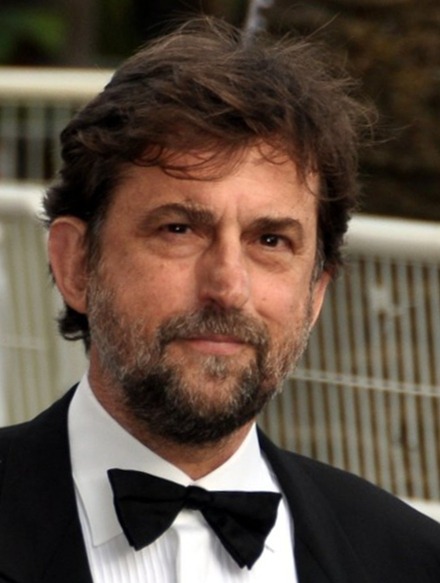
Nanni Moretti, born on August 19, 1953, in Brunico, Bolzano, Italy, is one of the most influential filmmakers and cultural figures in contemporary Italian cinema. His work is characterized by its introspective nature, political commentary, and a unique blend of humor and seriousness. Moretti’s career, spanning over four decades, has not only cemented his place in the pantheon of great directors but has also made him a voice for societal reflection and critique in Italy and beyond. This article delves into the life, fame, and career highlights of Nanni Moretti, offering a comprehensive look at his contributions to film and culture.
Early Life and Introduction to Cinema
Giovanni Moretti, known as Nanni, was born into a family of educators. His father was a professor of Greek literature, and his mother was a teacher, which instilled in him a deep appreciation for intellectual and cultural pursuits from an early age. Moretti’s childhood was spent in Rome, a city that would become central to his life and work.
From a young age, Moretti exhibited a passion for two things: cinema and water polo. While his love for water polo led him to play for the Lazio team in Serie A and even earn a spot on the Italian youth national team, it was cinema that ultimately captured his heart. In fact, Moretti’s first significant step towards filmmaking came when he sold his prized collection of stamps to buy a Super 8 camera. This decision marked the beginning of a journey that would see him become one of Italy’s most celebrated directors.
Moretti’s early foray into filmmaking was characterized by a do-it-yourself ethos. He created two short films, La sconfitta and Paté de bourgeois, in 1973. These early works, though difficult to find today, were pivotal in shaping Moretti’s style and approach to cinema—marked by a personal touch, a penchant for self-reflection, and a subtle, often satirical, critique of society.
Breakthrough with Io sono un autarchico and Ecce Bombo
Nanni Moretti’s breakthrough came in 1976 with the release of his first feature-length film, Io sono un autarchico (I Am Self-Sufficient). The film was a low-budget production, shot in 16mm, and featured Moretti in the lead role. It is a semi-autobiographical work that explores the lives and relationships of a group of young people in Rome, capturing the disillusionment and existential angst of the post-1968 generation. The film’s title itself became a catchphrase in Italy, symbolizing a certain self-reliance and independence that resonated with the youth of the time.
Moretti’s next film, Ecce Bombo (1978), further established his reputation as a filmmaker. The film was a commercial success and has since become a cult classic. Ecce Bombo is notable for its sharp wit and humor, and it captures the malaise and uncertainty of the Italian youth during the late 1970s. The film’s famous line, “Giro, vedo gente, mi muovo, conosco, faccio delle cose” (“I go around, see people, move, meet, do things”), spoken by Moretti’s character, has become emblematic of a generation searching for purpose and identity.
These early films are significant not only for their content but also for the way they were made. Moretti’s approach to filmmaking was deeply personal, often involving him as the writer, director, and star of his films. This hands-on approach allowed him to maintain a high degree of creative control, ensuring that his films reflected his unique vision.
Political Engagement and Film as a Medium of Critique
Throughout his career, Nanni Moretti has been deeply engaged with politics, both in his films and in his personal life. His work often critiques the political and social climate of Italy, and he has never shied away from addressing controversial topics. Moretti’s political involvement is most evident in his films from the 1980s and 1990s, which often blend personal narratives with broader political commentary.
In 1981, Moretti won the Silver Lion at the Venice Film Festival for Sogni d’oro (Sweet Dreams), a film that satirizes the world of cinema and the struggles of a director (played by Moretti himself) to balance his artistic ambitions with the pressures of commercial success. The film also reflects Moretti’s frustrations with the political situation in Italy at the time, particularly the rise of commercialism and the decline of leftist ideals.
Bianca (1984) and La messa è finita (1985) continued this trend, with the latter winning the Silver Bear at the Berlin International Film Festival. In La messa è finita, Moretti plays a young priest who returns to his hometown only to find that his community is falling apart. The film is a poignant exploration of faith, morality, and the disillusionment with the institutions that are supposed to provide guidance and stability.
However, it was with Palombella Rossa (1989) that Moretti’s political engagement reached new heights. The film is a surreal and often humorous examination of the Italian Communist Party’s decline, set against the backdrop of a water polo match. Moretti’s character, Michele Apicella, is a reflection of the director’s own frustrations with the left, particularly its inability to adapt to changing times and connect with the younger generation. The film is both a critique and a lament for the lost ideals of the left, capturing the sense of betrayal and confusion that many felt during this period.
International Acclaim with Caro Diario and La stanza del figlio
Nanni Moretti achieved international recognition with the release of Caro Diario (Dear Diary) in 1993. The film is structured as a series of diary entries, with Moretti himself as the narrator and protagonist. It is a deeply personal work, blending humor, introspection, and social commentary. The film is divided into three chapters, each exploring different aspects of Moretti’s life: his love for Rome, his reflections on cinema, and his battle with a serious illness.
Caro Diario was a critical success, winning the Best Director award at the Cannes Film Festival. The film’s intimate, autobiographical style resonated with audiences and critics alike, solidifying Moretti’s reputation as a filmmaker who could blend the personal with the universal.
In 2001, Moretti released La stanza del figlio (The Son’s Room), a film that marked a departure from the more satirical tone of his earlier work. La stanza del figlio is a poignant and heartbreaking exploration of grief, following a family as they cope with the sudden death of their son. The film’s sensitive portrayal of loss and mourning struck a chord with audiences worldwide and earned Moretti the Palme d’Or at the Cannes Film Festival, one of the highest honors in cinema.
The success of La stanza del figlio confirmed Moretti’s ability to tackle a wide range of subjects with depth and empathy. The film remains one of his most acclaimed works and is often cited as one of the best Italian films of the 21st century.
Continued Success and Influence in Italian Cinema
Nanni Moretti’s influence on Italian cinema extends beyond his own films. In 1987, he founded Sacher Film, a production company named after the famous Sacher cake, which has produced many of his films as well as works by other directors. Through Sacher Film, Moretti has championed independent cinema in Italy, providing a platform for new and emerging filmmakers.
In 1993, Moretti also opened the Nuovo Sacher cinema in Rome, a theater dedicated to showing quality films, particularly those that might not receive widespread distribution. The cinema has become a cultural hub in Rome, known for its carefully curated selection of films and its commitment to promoting cinematic art.
Moretti continued to explore political themes with Il caimano (The Caiman) in 2006, a film that is a thinly veiled critique of Silvio Berlusconi, the controversial Italian media tycoon and politician. Released during the height of Berlusconi’s power, Il caimano blends fiction and reality, following a film director as he attempts to make a movie about a Berlusconi-like figure. The film is a bold and provocative commentary on the state of Italian politics and the dangers of media manipulation.
Moretti’s 2011 film, Habemus Papam (We Have a Pope), takes on the Catholic Church, exploring the human side of the papacy. The film tells the story of a newly elected pope who suffers a crisis of faith and seeks solace outside the walls of the Vatican. Habemus Papam was well-received and showcased Moretti’s ability to tackle complex institutions with both humor and humanity.
In 2015, Moretti released Mia madre (My Mother), a semi-autobiographical film that reflects on the challenges of caring for an aging parent while dealing with personal and professional pressures. The film stars Margherita Buy and John Turturro, with Moretti playing a supporting role. Mia madre was praised for its emotional depth and its exploration of grief, responsibility, and the passage of time.
Legacy and Continuing Relevance
Nanni Moretti’s career is a testament to the power of cinema as a medium for personal expression and social critique. His films, often characterized by their introspective nature and political engagement, have resonated with audiences in Italy and around the world. Moretti’s ability to blend humor with serious themes has made his work both accessible and thought-provoking, ensuring his place as one of Italy’s most important filmmakers.
As a director, writer, and actor, Moretti has maintained a distinctive voice in the world of cinema. His commitment to independence and artistic integrity has influenced a generation of filmmakers, both in Italy and beyond. Through his films, production company, and cinema, Moretti has contributed to the preservation and promotion of quality cinema, championing the importance of film as an art form.
Even as he continues to evolve as an artist, Nanni Moretti remains deeply connected to the cultural and political landscape of Italy. His films reflect the complexities of contemporary life, offering insights into the human condition while also critiquing the societal structures that shape our world. Moretti’s work is a reminder of the power of cinema to provoke thought, inspire change, and provide comfort in times of uncertainty.
Conclusion
Nanni Moretti’s journey from a young cinephile in Rome to one of Italy’s most revered filmmakers is a story of passion, perseverance, and an unwavering commitment to artistic excellence. His films have not only entertained but also challenged audiences to think critically about the world around them. Whether exploring personal struggles, political corruption, or the intricacies of human relationships, Moretti’s work is marked by its honesty, humor, and humanity.
As he continues to create and inspire, Nanni Moretti’s legacy as a filmmaker and cultural figure is assured. His influence on Italian cinema and his contributions to the broader film industry will be felt for generations to come. Through his distinctive voice and visionary approach, Moretti has carved out a unique place in the history of cinema, one that continues to resonate with audiences worldwide.


