
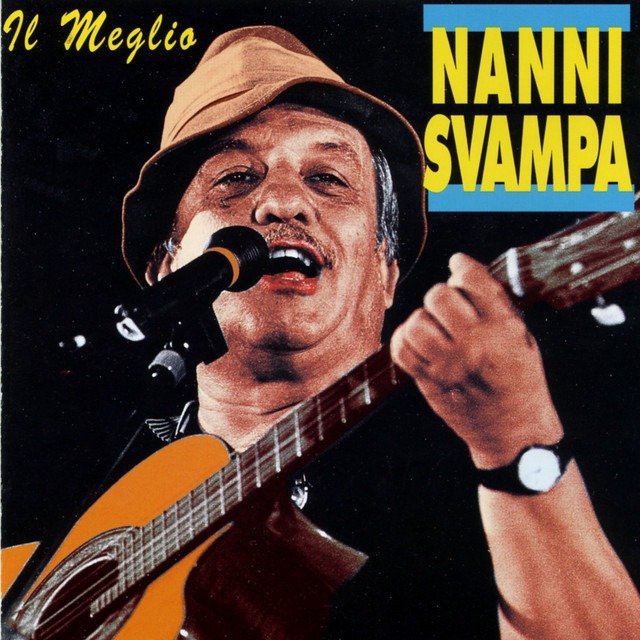
Nanni Svampa, born Giovanni Battista Svampa on February 28, 1938, in Milan, Italy, is a revered figure in Italian music and theater, particularly known for his contributions to the preservation and promotion of Milanese and Lombard culture. A multifaceted artist, Svampa was a singer, songwriter, actor, and translator whose work spanned several decades and left an indelible mark on the cultural landscape of Northern Italy. This article explores Svampa’s life, his rise to fame, and the significant moments that defined his illustrious career.
Early Life and Influences
Nanni Svampa was born in Porta Venezia, a historic district of Milan known for its vibrant working-class community. During the early years of his life, Milan was a city characterized by strong social bonds and a rich cultural fabric, where the traditional “case di ringhiera” (courtyard buildings) fostered a sense of community among residents. These early experiences in Milan, combined with his later experiences as a child evacuee during World War II, would deeply influence Svampa’s artistic sensibilities and his lifelong commitment to Milanese and Lombard traditions.
When the war broke out, Svampa’s family, like many others, sought refuge from the bombings by relocating to Porto Valtravaglia, a small town on the shores of Lake Maggiore in the province of Varese. This rural and provincial setting was a stark contrast to the bustling city of Milan and introduced young Svampa to the traditional songs, dialects, and customs of the Lombard countryside. The fusion of urban and rural influences would later become a hallmark of his artistic work.
After the war, Svampa returned to Milan, where he pursued his education. He attended high school and later enrolled at Bocconi University, one of Italy’s most prestigious institutions, where he earned a degree in Economics and Commerce. Despite his academic achievements, Svampa’s true passion lay in the arts, particularly music and theater.
Early Career: From Economics to Music
During his time at university in the late 1950s, Svampa began to explore his interest in music more seriously. He formed a band called “I Soliti Idioti,” where he sang and played the guitar. The band’s early performances were marked by a playful, irreverent style that reflected the student culture of the time. However, Svampa’s artistic direction took a significant turn in 1960 when he discovered the music of Georges Brassens, a French singer-songwriter whose poetic lyrics and satirical edge resonated deeply with him.
Brassens’ influence on Svampa was profound. Svampa began translating Brassens’ songs from French into Milanese dialect, a process that not only honed his linguistic skills but also deepened his appreciation for the richness and expressiveness of the local dialect. These translations would later become a cornerstone of Svampa’s career, helping to popularize Brassens’ work in Italy while also preserving the Milanese dialect for future generations.
Svampa’s first significant foray into the world of professional music and theater came in 1960 when he made his theatrical debut with a satirical musical revue titled “Prendeteli con le pinze e martellateli” (Take Them with Pliers and Hammer Them), which was performed at Milan’s Piccolo Teatro and Teatro Gerolamo. This early work showcased Svampa’s emerging talent for combining music, humor, and social commentary, setting the stage for his future successes.
The Gufi and the Rise of Milanese Cabaret
In the early 1960s, Nanni Svampa co-founded “I Gufi,” a pioneering cabaret group that would become one of the most influential acts in Italy’s post-war entertainment scene. The group, whose name translates to “The Owls,” was known for its sharp wit, satirical humor, and innovative blend of music, theater, and social critique. Alongside fellow members Roberto Brivio, Gianni Magni, and Lino Patruno, Svampa helped to create a new form of Italian cabaret that drew on local traditions while also addressing contemporary social and political issues.
I Gufi’s performances were characterized by their use of the Milanese dialect and their focus on everyday life in Northern Italy. The group’s satirical sketches and songs often poked fun at the absurdities of modern life, the contradictions of Italian society, and the quirks of the Milanese character. Their humor was both playful and biting, making them a popular act in Milan and beyond.
One of I Gufi’s most famous songs, “Io vado in banca” (I Go to the Bank), was inspired by Svampa’s own brief stint in the banking industry—a career path he had pursued to appease his father after graduating from university. The song humorously critiques the mundane and often soul-crushing nature of office work, reflecting Svampa’s own dissatisfaction with the world of finance and his desire to follow a more creative path.
The success of I Gufi established Svampa as a leading figure in Milanese cabaret and brought him widespread recognition. The group’s innovative approach to cabaret, which combined elements of traditional folk music with modern satire, had a lasting impact on Italian popular culture and inspired future generations of performers.
Solo Career and the Preservation of Lombard Culture
Following the disbandment of I Gufi in the late 1960s, Nanni Svampa embarked on a solo career that allowed him to further explore his passion for Milanese and Lombard culture. One of his most significant projects during this period was the creation of the “Antologia della Canzone Lombarda” (Anthology of Lombard Songs), a monumental 12-volume collection of traditional Lombard songs. This anthology, which Svampa meticulously researched and recorded, stands as one of the most comprehensive and important collections of regional Italian folk music.
The “Antologia della Canzone Lombarda” was not just a preservation effort; it was also a celebration of the rich musical heritage of Lombardy. Svampa’s recordings captured the essence of the region’s folk traditions, from the lively rhythms of rural dances to the poignant melodies of love songs and lullabies. Through this work, Svampa helped to ensure that these songs, many of which had been passed down orally for generations, would not be lost to time.
In addition to his work on the anthology, Svampa continued to perform and record music throughout the 1970s and 1980s, often focusing on the Milanese dialect. His translations of Georges Brassens’ songs into Milanese remained a central part of his repertoire, and he became known as the Italian voice of Brassens. Svampa’s ability to adapt Brassens’ sophisticated, often philosophical lyrics into the earthy, expressive Milanese dialect was a testament to his linguistic skill and deep understanding of both French and Milanese cultures.
Later Years: Teaching, Writing, and Acting
In the later years of his career, Nanni Svampa expanded his artistic activities to include teaching, writing, and acting. He became a respected cultural figure in Milan, known not only for his contributions to music and theater but also for his efforts to promote and preserve the Milanese dialect and Lombard traditions.
Starting in the 1980s, Svampa served as the artistic director of “Cà Bianca,” a renowned cabaret venue in Milan. Under his direction, “Cà Bianca” became a hub for Milanese cultural life, featuring performances by some of the city’s most talented artists. Svampa himself regularly performed at the venue, offering audiences a mix of traditional Milanese songs, humorous monologues, and tributes to Brassens.
In 1981, on the tenth anniversary of Georges Brassens’ death, Svampa organized a major international tribute to the French chansonnier at Milan’s Teatro Lirico. The event, which featured performances by artists from across Europe, was a testament to Svampa’s enduring admiration for Brassens and his commitment to keeping his work alive in Italy.
Throughout the 1990s and 2000s, Svampa continued to perform, often focusing on two main themes: “Cabaret Concerto,” a show that combined Milanese songs with humorous anecdotes, and “Omaggio a Brassens,” a tribute to his longtime musical hero. These performances, which were staged in theaters across Lombardy and in the Italian-speaking regions of Switzerland, were beloved by audiences and solidified Svampa’s reputation as a cultural ambassador for Milanese and Lombard traditions.
In addition to his musical work, Svampa also appeared in several television and theater productions, showcasing his talents as an actor. His discography, which includes both solo and collaborative works, is vast and varied, reflecting his wide-ranging interests and his dedication to his craft.
Legacy and Influence
Nanni Svampa passed away on August 27, 2017, in Varese, Italy, at the age of 79. His death marked the end of an era for Milanese and Lombard culture, but his legacy lives on through his extensive body of work. Svampa’s contributions to music, theater, and the preservation of regional traditions have left a lasting impact on Italian culture.
Svampa’s work is particularly significant for its role in preserving the Milanese dialect at a time when regional languages were increasingly marginalized by the dominance of standard Italian. His translations of Georges Brassens’ songs into Milanese not only brought the French singer’s work to a new audience but also demonstrated the expressive power of the Milanese dialect, helping to keep it alive for future generations.
Moreover, Svampa’s “Antologia della Canzone Lombarda” remains an invaluable resource for scholars, musicians, and anyone interested in the folk traditions of Northern Italy. The anthology is a testament to Svampa’s dedication to preserving the cultural heritage of Lombardy and ensuring that its rich musical traditions are not forgotten.
In conclusion, Nanni Svampa was a multifaceted artist whose work spanned several disciplines and left an indelible mark on Italian culture. His contributions to the preservation of Milanese and Lombard traditions, his innovative approach to cabaret, and his deep love for the music of Georges Brassens have earned him a place among the great cultural figures of his time. As we look back on his life and work, it is clear that Nanni Svampa’s legacy will continue to inspire and influence future generations.


