
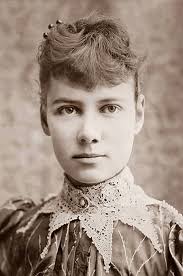
Nellie Bly, born Elizabeth Cochran Seaman, was a pioneering American journalist, industrialist, inventor, and charity worker who gained international fame for her groundbreaking investigative reporting and audacious exploits. Best known for her record-breaking trip around the world in 72 days and her daring undercover work in a mental institution, Bly’s contributions to journalism and her adventurous spirit have left an enduring legacy. This article delves into the life of Nellie Bly, examining her age, rise to fame, significant career milestones, and lasting impact on journalism and beyond.
Early Life and Background
Elizabeth Cochran was born on May 5, 1864, in Cochran’s Mills, Pennsylvania. She was the daughter of Michael Cochran, a successful mill owner and associate justice, and Mary Jane Kennedy. Elizabeth was one of 15 children in her family, which faced financial hardship after her father’s death when she was six years old.
Childhood and Education
After her father’s death, Elizabeth’s family struggled financially, forcing her mother to remarry. Unfortunately, the second marriage was unhappy and abusive, leading to a divorce. These early experiences of hardship and injustice would later influence Bly’s journalistic career and her passion for social justice.
Elizabeth attended Indiana Normal School, a small college in Indiana, Pennsylvania, with the intention of becoming a teacher. However, financial constraints forced her to leave school early. Despite this setback, her determination and resilience drove her to seek other opportunities.
Rise to Fame
Nellie Bly’s rise to fame began with her entry into journalism, a field dominated by men in the late 19th century. Her tenacity, courage, and innovative approach to reporting quickly set her apart from her peers.
Beginnings in Journalism
Bly’s journalism career began when she wrote a fiery rebuttal to an article in the Pittsburgh Dispatch that suggested women belonged in the home. Impressed by her writing, the newspaper’s editor offered her a job. She adopted the pen name “Nellie Bly” from a popular song of the time.
As a reporter for the Pittsburgh Dispatch, Bly tackled issues such as the poor working conditions of female factory workers, earning her a reputation as a fearless advocate for the marginalized. However, frustrated by the newspaper’s restrictions on her assignments, she left for New York City in search of greater opportunities.
“Ten Days in a Mad-House”
In 1887, Bly achieved national fame with her exposé on the deplorable conditions at the Women’s Lunatic Asylum on Blackwell’s Island. To investigate, she feigned insanity and was committed to the institution. Her subsequent article, “Ten Days in a Mad-House,” published in the New York World, revealed the inhumane treatment of patients and led to significant reforms in mental health care.
Bly’s undercover work demonstrated the power of investigative journalism to effect social change and established her as a pioneering figure in the field.
Major Career Milestones
Nellie Bly’s career is marked by several major milestones that highlight her impact on journalism and her adventurous spirit. Her innovative approach to reporting and her daring exploits have left a lasting legacy.
Around the World in 72 Days
Inspired by Jules Verne’s novel “Around the World in Eighty Days,” Bly proposed to her editors at the New York World that she attempt to circumnavigate the globe in less time. On November 14, 1889, she embarked on her journey, traveling by steamship, train, and other means. Bly completed the trip in 72 days, setting a world record and captivating readers with her dispatches from around the world.
Her journey not only demonstrated her adventurous spirit but also challenged societal norms about women’s capabilities and roles. Bly’s accomplishment was celebrated worldwide and further cemented her status as a trailblazing journalist.
Later Career and Contributions
After her journey around the world, Bly continued to write for the New York World and other publications, covering a wide range of topics, from labor strikes to the suffrage movement. She also reported from Europe during World War I, becoming one of the first female war correspondents.
In addition to her journalism, Bly was an inventor and industrialist. She took over the Iron Clad Manufacturing Company, a company that produced steel containers, and patented several inventions, including a novel milk can and stacking garbage cans.
Personal Life
Nellie Bly’s personal life, including her relationships and experiences, influenced her professional achievements and public image. Her determination and resilience were evident in both her personal and professional endeavors.
Marriage and Family
In 1895, Bly married Robert Seaman, a wealthy industrialist who was 40 years her senior. After Seaman’s death in 1904, Bly took over his manufacturing business, applying her innovative spirit to the industry. However, the company eventually went bankrupt due to financial mismanagement by employees, forcing Bly to return to journalism.
Bly had no children and dedicated much of her life to her career and charitable work. Despite facing significant personal and professional challenges, she remained resilient and continued to pursue her passions.
Advocacy and Charitable Work
Throughout her life, Bly was a committed advocate for social justice. Her investigative reporting often focused on the plight of the poor and marginalized, and she used her platform to promote reform. In her later years, she worked to improve the lives of orphaned children and supported various charitable causes.
Public Image and Legacy
Nellie Bly’s public image is that of a fearless and pioneering journalist who used her talents to expose injustices and advocate for social change. Her contributions to journalism and her adventurous spirit have left an enduring legacy.
Pioneering Investigative Journalism
Bly’s work in investigative journalism set a new standard for the field. Her undercover investigations, particularly “Ten Days in a Mad-House,” demonstrated the power of immersive reporting to reveal hidden truths and effect social change. Bly’s approach inspired future generations of journalists and established investigative journalism as a vital tool for accountability.
Challenging Gender Norms
Bly’s career challenged the gender norms of her time, demonstrating that women could excel in the male-dominated field of journalism. Her success paved the way for future female journalists and broadened societal perceptions of women’s capabilities.
Historical Context and Nuances
To fully appreciate Nellie Bly’s contributions, it is essential to consider the historical context in which she lived and worked. Her career spanned a period of significant social and political change in the United States.
The Gilded Age and Progressive Era
Bly’s career began during the Gilded Age, a period marked by rapid industrialization, economic growth, and social inequality. Her reporting on labor conditions, mental health care, and other social issues reflected the concerns of the Progressive Era, a movement aimed at addressing the excesses and injustices of the Gilded Age.
Bly’s work was part of a broader effort by journalists, reformers, and activists to expose corruption, improve living conditions, and promote social justice. Her contributions to this movement underscored the importance of journalism in advocating for change.
Women’s Rights and Suffrage
Bly’s career also coincided with the women’s suffrage movement in the United States. Her achievements as a journalist and adventurer challenged traditional gender roles and provided a powerful example of women’s capabilities. Bly’s work supported the broader struggle for women’s rights, and she used her platform to advocate for gender equality.
Recent Developments and Continued Influence
Nellie Bly’s legacy continues to inspire and influence the field of journalism and beyond. Her contributions are celebrated and studied, and her adventurous spirit remains a source of inspiration.
Commemorations and Honors
Bly’s life and work have been commemorated in various ways. Her groundbreaking achievements are celebrated in books, films, and exhibitions. In 1998, Bly was inducted into the National Women’s Hall of Fame, recognizing her contributions to journalism and her impact on women’s history.
Continued Relevance in Journalism
Bly’s approach to investigative journalism remains relevant today. Her use of undercover reporting to expose injustices continues to be a powerful tool for journalists seeking to hold institutions accountable. Bly’s legacy is evident in the work of contemporary investigative journalists who follow in her footsteps.
Inspiration for Future Generations
Nellie Bly’s adventurous spirit and dedication to social justice continue to inspire future generations. Her story encourages young people, particularly women, to pursue their passions, challenge societal norms, and strive for positive change.
Conclusion
Nellie Bly’s journey from a young woman in Pennsylvania to a pioneering journalist and adventurer is a testament to her talent, courage, and determination. Her contributions to investigative journalism and her fearless pursuit of truth have left an indelible mark on the field.
Bly’s ability to capture the essence of diverse human experiences, from the plight of mental health patients to the challenges of global travel, has endeared her to audiences worldwide. Her work has not only entertained but also educated and inspired, reflecting the enduring power of journalism to effect change.
As Nellie Bly’s legacy continues to be celebrated and studied, her influence on journalism, women’s rights, and social justice remains profound. Her story serves as a reminder of the impact one individual can have in challenging injustice and advocating for a better world.


