
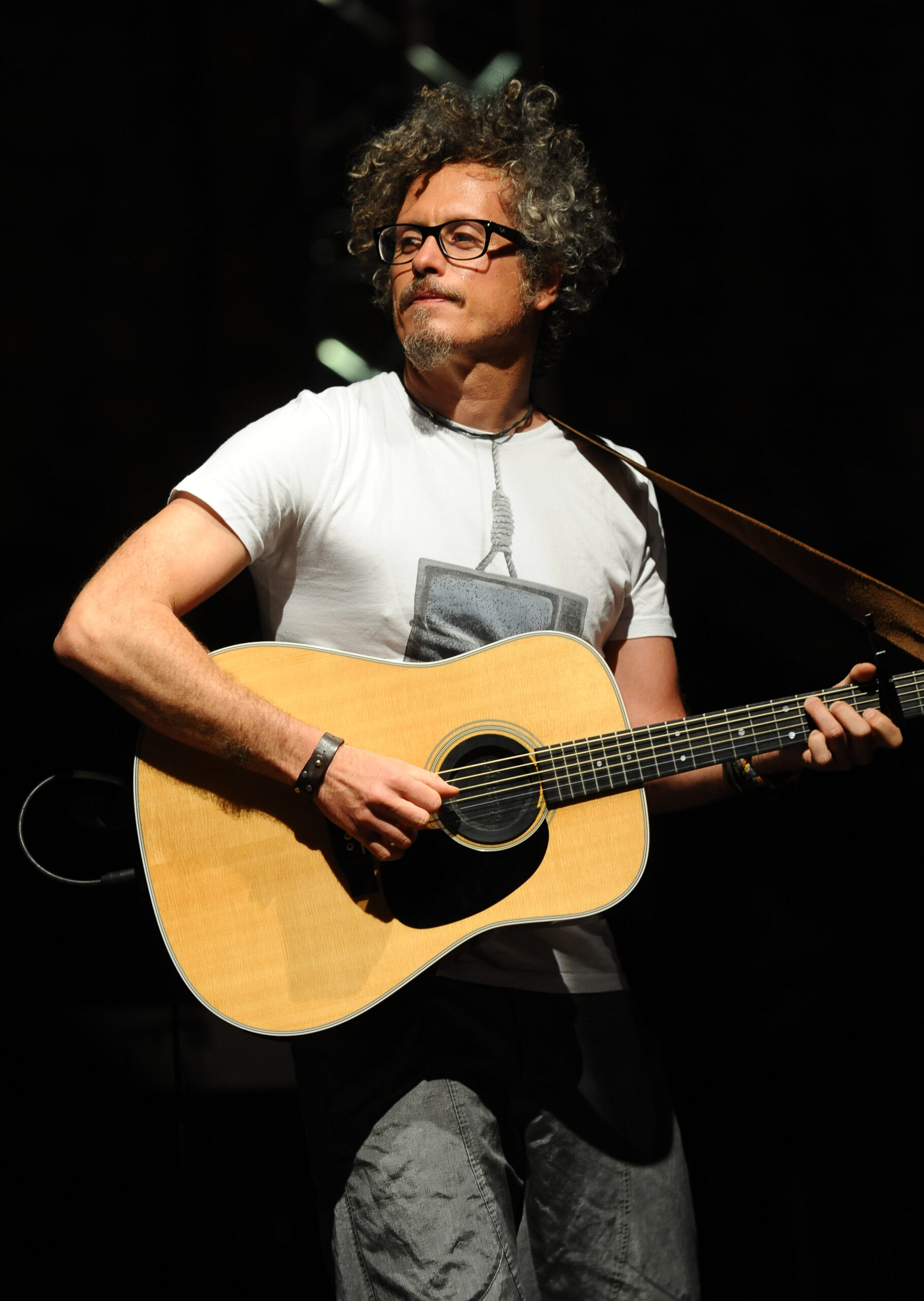
Introduction to Niccolò Fabi
Niccolò Fabi, born on May 16, 1968, in Rome, Italy, is a renowned Italian singer-songwriter and musician. With a career spanning over two decades, Fabi has become one of the most respected figures in the Italian music scene. His work is characterized by introspective lyrics, a deep commitment to artistic authenticity, and a continuous evolution of sound. Fabi’s music reflects his personal journey, with themes often revolving around life, love, loss, and the human experience.
Early Life and Musical Roots
Niccolò Fabi was born into a musically inclined family, which had a profound impact on his early development as an artist. His father, Claudio Fabi, was a prominent music producer in the 1970s, a period known for its vibrant and experimental Italian music scene. Growing up in this environment, Fabi was exposed to a wide array of musical influences from an early age.
By the time he was 18, Niccolò had already begun working in the music industry, starting as a stage assistant during Alberto Fortis’s 1986 tour. This early exposure to the professional side of music provided him with valuable insights and experiences that would later shape his career. In addition to his hands-on experience, Fabi pursued academic studies, earning a degree in Romance Philology from the university, which further enriched his lyrical content with literary depth.
Fabi’s first foray into music was as a drummer for a cover band called “Fall Out,” which specialized in playing songs by Sting and The Police. This period helped him hone his skills as a musician and deepen his understanding of the complexities of songwriting and performance.
The 1990s: Emergence and Early Success
The 1990s were a transformative period for Niccolò Fabi, marking his transition from a budding musician to a recognized artist in the Italian music scene. It was during this time that Fabi began collaborating with other emerging artists in Rome, including Daniele Silvestri, Max Gazzè, Federico Zampaglione, and Riccardo Sinigallia. These collaborations were crucial in helping Fabi refine his style and gain exposure.
In 1996, Fabi made his official debut in the music industry with the single “Dica,” which garnered significant attention and opened the doors to the prestigious Sanremo Music Festival. The following year, he returned to Sanremo with the song “Capelli,” which won the Critics’ Award in the New Proposals category at the 1997 festival. This recognition was a major milestone in Fabi’s career, signaling his arrival as a serious artist with a unique voice in the Italian music landscape.
That same year, Fabi released his debut album, Il Giardiniere, which was well-received and further established his reputation. The album featured a mix of introspective ballads and more upbeat tracks, showcasing Fabi’s versatility as a songwriter. One of the standout songs from this period was “Lasciarsi un giorno a Roma,” which he performed at Sanremo in 1998. The song became one of his signature pieces, capturing the bittersweet emotions of love and separation.
Expanding Horizons: The 2000s and Artistic Growth
As Fabi’s career progressed into the 2000s, he continued to evolve both musically and lyrically. His third album, Sereno ad Ovest (2000), marked a departure from his earlier, more pop-oriented work, moving towards a more mature and reflective sound. The album was supported by the single “Se fossi Marco,” and Fabi also released a collection of his songs sung in Spanish for the international market, demonstrating his growing appeal beyond Italy.
In 2003, Fabi released La Cura del Tempo, an album that showcased his increasing musical sophistication. The album featured collaborations with well-known artists such as Fiorella Mannoia and Stefano Di Battista. The inclusion of these artists reflected Fabi’s deepening connections within the Italian music community and his desire to experiment with different sounds and genres. The album’s exploration of time, memory, and introspection marked a significant step forward in Fabi’s artistic journey.
In 2006, Fabi released Novo Mesto, an album recorded in the Slovenian town of the same name. This work included the track “Costruire,” which has since become one of Fabi’s most beloved songs. The album’s themes of building and rebuilding, both metaphorically and literally, resonated with audiences and solidified Fabi’s reputation as an artist capable of addressing profound themes in a relatable manner.
That same year, Fabi celebrated a decade in the music industry with the release of Dischi Volanti 1996-2006, a compilation album that included the new track “Milioni di giorni.” The album served as a retrospective of Fabi’s career up to that point, highlighting his growth as an artist and his contributions to the Italian music scene.
Social Engagement and Personal Tragedy
The late 2000s saw Fabi expanding his creative endeavors beyond music, using his platform to raise awareness about social issues. In 2007, he produced a documentary titled Live in Sudan, which chronicled his journey to Sudan and a benefit concert he held there. This project highlighted Fabi’s commitment to humanitarian causes and his desire to use his music as a tool for positive change.
Fabi’s involvement in social projects continued with his role as the creator and producer of the project Violenza 124, a collaborative effort with various artists including Mokadelic, Olivia Salvadori, and Boosta. The project aimed to address issues of violence through music and art, reflecting Fabi’s belief in the power of artistic expression to influence societal change.
However, Fabi’s life took a heartbreaking turn in 2010 when his daughter Olivia, who was just 22 months old, passed away suddenly from a rare form of meningitis. This devastating loss profoundly affected Fabi, both personally and professionally. In the wake of this tragedy, Fabi and his partner Shirin Amini organized Parole di Lulù, a charity event held in Mazzano Romano to honor Olivia’s memory. What began as a small gathering quickly grew into a major event, with over fifty musicians participating and thousands of people attending. The event raised significant funds for Medici con l’Africa CUAMM, a non-governmental organization providing medical assistance in Africa.
Continued Musical Exploration: 2010s and Beyond
In the years following Olivia’s death, Fabi channeled his grief into his music, producing some of his most powerful work. In 2012, he released his seventh studio album, Ecco, which was praised for its emotional depth and musical sophistication. The album was followed by a successful tour across Italy, culminating in Fabi receiving the prestigious Targa Tenco award for Best Album, a testament to the quality and impact of his work.
In 2014, Fabi collaborated with his long-time friends Daniele Silvestri and Max Gazzè to form the supergroup Fabi Silvestri Gazzè. Together, they released the album Il Padrone della Festa, which was followed by a tour that received widespread acclaim. The project was a celebration of friendship and artistic collaboration, and it allowed Fabi to explore new musical territories with his trusted companions.
Continuing his tradition of introspective and socially conscious work, Fabi released Una Somma di Piccole Cose in 2016. The album, which was recorded in solitude at a countryside retreat, reflected on the importance of the small, often overlooked moments in life. The album once again earned Fabi the Targa Tenco award for Best Album, further solidifying his status as one of Italy’s most respected singer-songwriters.
In 2017, Fabi celebrated the 20th anniversary of his debut album with a special tour and the release of a compilation album titled Diventi inventi 1997-2017. This album featured reimagined acoustic versions of some of his most significant songs, offering fans a fresh perspective on his body of work. The deluxe edition of the album also included a book-interview, providing deeper insights into Fabi’s artistic journey and personal reflections.
Legacy and Influence
Niccolò Fabi’s career is a testament to his dedication to his craft and his ability to evolve as an artist. Over the years, he has remained true to his artistic vision, consistently producing music that resonates with audiences on a deeply emotional level. His willingness to tackle difficult subjects, both personal and universal, has earned him a place among the most respected figures in Italian music.
Fabi’s influence extends beyond his music; his commitment to social causes and his ability to transform personal tragedy into artistic expression have made him a role model for many. He has shown that music can be a powerful force for healing and change, both for the artist and the audience.
As Niccolò Fabi continues to create and perform, his legacy as an artist who values authenticity, introspection, and social responsibility will undoubtedly endure. His journey, marked by both triumphs and tragedies, serves as an inspiration to those who seek to find meaning and beauty in the complexities of life.


