
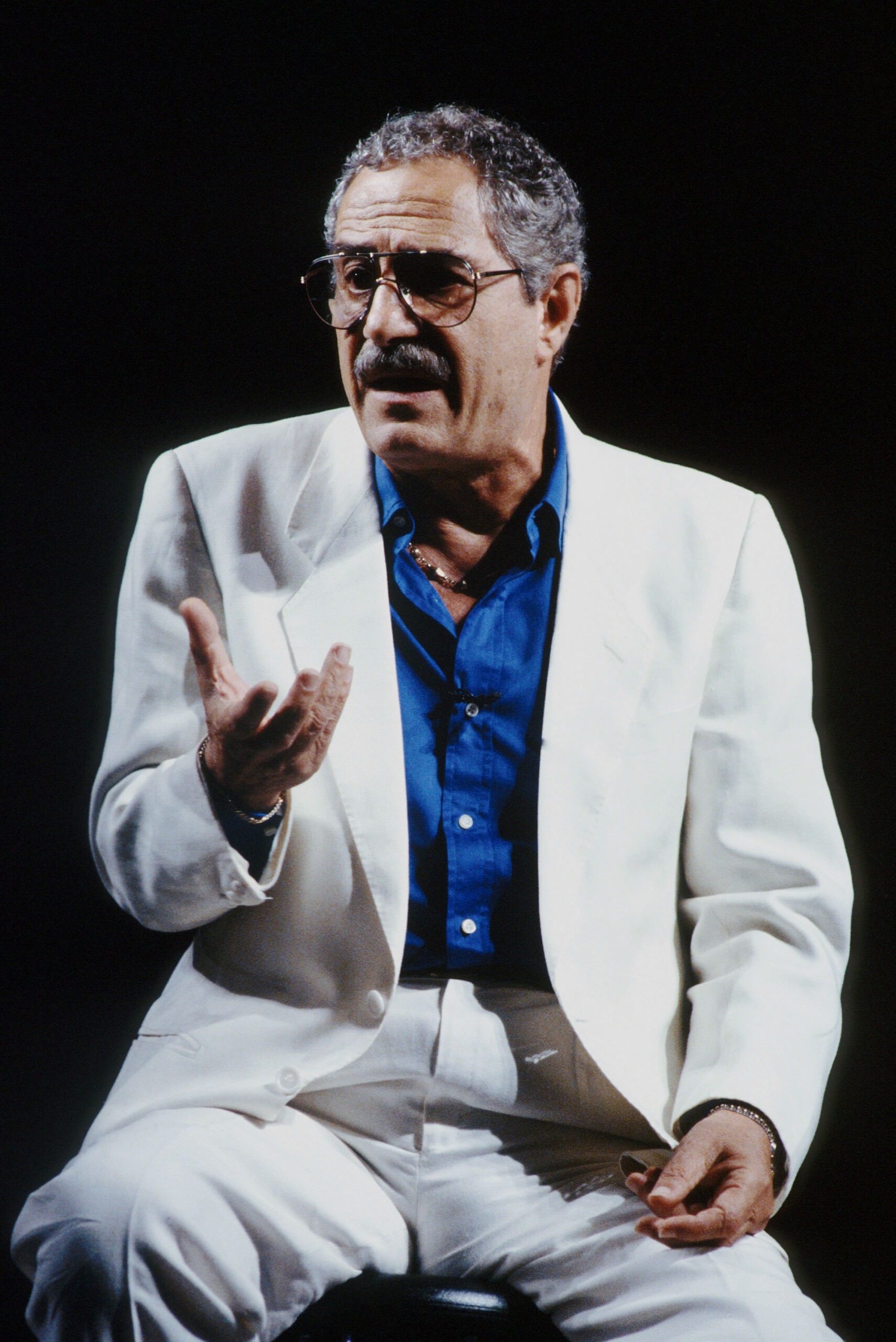
Nino Manfredi, born Saturnino Manfredi on March 22, 1921, in Castro dei Volsci, a small town in the province of Frosinone, Italy, is one of the most celebrated actors in the history of Italian cinema. His career, which spanned over five decades, is a testament to his versatility, talent, and enduring appeal. Manfredi’s contribution to Italian culture is immense, with more than a hundred films, numerous television appearances, and a strong presence in theater. This article explores the life and legacy of Nino Manfredi, highlighting the key moments that defined his career and cemented his place as a legend in Italian entertainment.
Early Life and Education
Saturnino Manfredi, affectionately known as Nino, was born into a modest family in the rural town of Castro dei Volsci. His father, a schoolteacher, and his mother, a homemaker, instilled in him the values of education and hard work. Despite his later fame, Manfredi’s early life was marked by struggles, particularly during his teenage years when he was diagnosed with tuberculosis, a serious illness that forced him to spend an extended period in a sanatorium. It was during this time of convalescence that Manfredi developed a love for reading and the arts, which would later influence his decision to pursue a career in acting.
After recovering from his illness, Manfredi moved to Rome to pursue higher education. Although he initially enrolled in law school to fulfill his parents’ wishes, his passion for the performing arts soon led him to the prestigious Accademia Nazionale d’Arte Drammatica Silvio D’Amico, where he studied under the guidance of renowned Italian director and acting coach Orazio Costa. Manfredi’s time at the academy was formative, providing him with the skills and confidence needed to embark on a career in theater and, eventually, film.
Theatrical Beginnings
Nino Manfredi’s career began on the stage, where he quickly made a name for himself as a talented and versatile actor. His early work in theater included performances in classic plays by William Shakespeare and Luigi Pirandello, as well as collaborations with some of Italy’s most esteemed directors, including Eduardo De Filippo. These experiences honed his craft and established him as a serious actor capable of handling a wide range of roles, from dramatic to comedic.
Manfredi’s stage presence was undeniable, and his performances were characterized by a naturalism and depth that made him stand out from his peers. His ability to convey complex emotions with subtlety and nuance earned him critical acclaim and set the stage for his transition to film. Despite the success he would later achieve in cinema, Manfredi always maintained a strong connection to the theater, returning to the stage throughout his career to explore new roles and challenge himself as an artist.
Transition to Film: A Slow but Steady Rise
Manfredi’s transition from theater to film was not immediate. His early forays into cinema were met with limited success, and it took some time for him to find his footing in the film industry. His first significant film role came in 1958 with the comedy L’impiegato, directed by Gianni Puccini. Although the film did not achieve major commercial success, it showcased Manfredi’s talent for blending humor with pathos, a quality that would become a hallmark of his work.
It was not until the early 1960s that Manfredi began to gain wider recognition in the film industry. His breakthrough came with the 1963 film Rugantino, in which he played the title role in a stage production that was later adapted into a film. The success of Rugantino marked the beginning of a prolific period in Manfredi’s career, during which he starred in some of the most iconic films of Italian cinema.
The Golden Era: Manfredi’s Iconic Roles
The 1960s and 1970s were the golden years of Nino Manfredi’s film career. During this time, he appeared in a series of films that would define his legacy and establish him as one of Italy’s most beloved actors. His roles during this period were diverse, ranging from comedic characters to more serious and dramatic roles, showcasing his versatility and depth as an actor.
One of Manfredi’s most memorable performances came in the 1966 film L’audace colpo dei soliti ignoti (The Big Deal on Madonna Street), directed by Nanni Loy. In this film, a sequel to the 1958 classic I soliti ignoti (Big Deal on Madonna Street), Manfredi played the role of a bumbling yet endearing thief, a performance that endeared him to audiences and solidified his reputation as a master of comedy.
Another standout role was in the 1970 film Nell’anno del Signore (In the Year of the Lord), directed by Luigi Magni. In this historical drama set in 19th-century Rome, Manfredi played the role of a humble priest caught in the political turmoil of the time. His performance was praised for its sensitivity and depth, and the film remains one of the highlights of his career.
Manfredi also achieved critical acclaim for his work in Straziami, ma di baci saziami (Torture Me, But Kill Me with Kisses) in 1968, where he portrayed a man caught in a tragicomic love triangle. The film, directed by Dino Risi, was a critical and commercial success and is considered a classic of Italian cinema.
In 1972, Manfredi took on one of his most challenging roles in Le avventure di Pinocchio (The Adventures of Pinocchio), a television miniseries directed by Luigi Comencini. Manfredi played the role of Geppetto, the loving and long-suffering father of the wooden puppet, Pinocchio. His portrayal of Geppetto was widely acclaimed, and the series became a beloved classic, further cementing Manfredi’s status as one of Italy’s most respected actors.
Directorial Ventures: Behind the Camera
In addition to his work as an actor, Nino Manfredi also explored his talents as a director. His directorial debut came in 1962 with L’avventura di un soldato (The Soldier’s Adventure), an episode in the anthology film L’amore difficile (Love Is Difficult). The episode, based on a story by Italo Calvino, was praised for its sensitivity and craftsmanship, demonstrating Manfredi’s ability to handle the complexities of filmmaking.
Manfredi’s most significant directorial effort came in 1971 with Per grazia ricevuta (Between Miracles), a film that he also wrote and starred in. The film, which tells the story of a man who questions his faith after surviving a series of near-death experiences, was a critical and commercial success. It won the Best First Work award at the Cannes Film Festival and earned Manfredi a Nastro d’Argento for Best Actor. Per grazia ricevuta is considered one of Manfredi’s finest achievements, both as a director and as an actor.
Television and Later Career
While Nino Manfredi is best known for his work in film, he also had a significant presence on Italian television. In the 1970s and 1980s, he appeared in several popular television series, including Un commissario a Roma (A Commissioner in Rome) and Linda e il brigadiere (Linda and the Brigadier), in which he played the role of a retired police commissioner who assists his daughter, a police officer, in solving crimes. These television roles brought Manfredi into the homes of millions of Italians and solidified his status as a national treasure.
As he aged, Manfredi continued to take on challenging roles that allowed him to explore new facets of his talent. In 1981, he directed and starred in Nudo di donna (Portrait of a Woman, Nude), a film that dealt with themes of identity and sexuality. Although the film did not achieve the same level of success as his earlier works, it was praised for its ambition and Manfredi’s nuanced performance.
In the 1990s, Manfredi returned to the stage, where he took on the roles of author, director, and actor. His play Viva gli sposi! (Long Live the Newlyweds!) in 1984 and Gente di facili costumi (People of Easy Virtue) in 1988 were well received and demonstrated his enduring passion for the theater.
Legacy and Death
Nino Manfredi’s contributions to Italian cinema and culture are immeasurable. His ability to connect with audiences through his performances, whether in comedy or drama, made him one of the most beloved actors of his generation. Manfredi’s work continues to be celebrated for its depth, humanity, and the unique blend of humor and pathos that he brought to his roles.
Manfredi’s legacy is also marked by his collaborations with some of Italy’s greatest filmmakers, including Ettore Scola, Luigi Comencini, and Dino Risi. His performances in films such as Brutti, sporchi e cattivi (Ugly, Dirty and Bad) in 1976 and Il giocattolo (The Toy) in 1979 showcased his range as an actor and his ability to tackle complex and challenging roles.
Nino Manfredi passed away on June 4, 2004, at the age of 83, after a long illness. His death was a significant loss to the world of Italian cinema, but his work continues to live on, inspiring new generations of actors and filmmakers. Manfredi’s films remain a testament to his extraordinary talent and his enduring impact on Italian culture.
Conclusion: The Enduring Appeal of Nino Manfredi
Nino Manfredi was more than just an actor; he was a symbol of Italian cinema’s golden age, a period that produced some of the most memorable and beloved films in the country’s history. His ability to move seamlessly between comedy and drama, to portray characters with depth and authenticity, and to connect with audiences on an emotional level made him one of Italy’s most cherished performers.
Manfredi’s legacy is one of versatility, talent, and dedication to his craft. He brought to life a wide range of characters, from the comedic to the tragic, each imbued with a humanity that resonated with audiences. His work as a director and writer further demonstrated his artistic vision and his commitment to telling stories that mattered.
As we look back on the life and career of Nino Manfredi, it is clear that his contributions to Italian cinema and culture will continue to be celebrated for years to come. His films remain a vital part of Italy’s cultural heritage, and his performances continue to inspire and entertain audiences around the world.


