
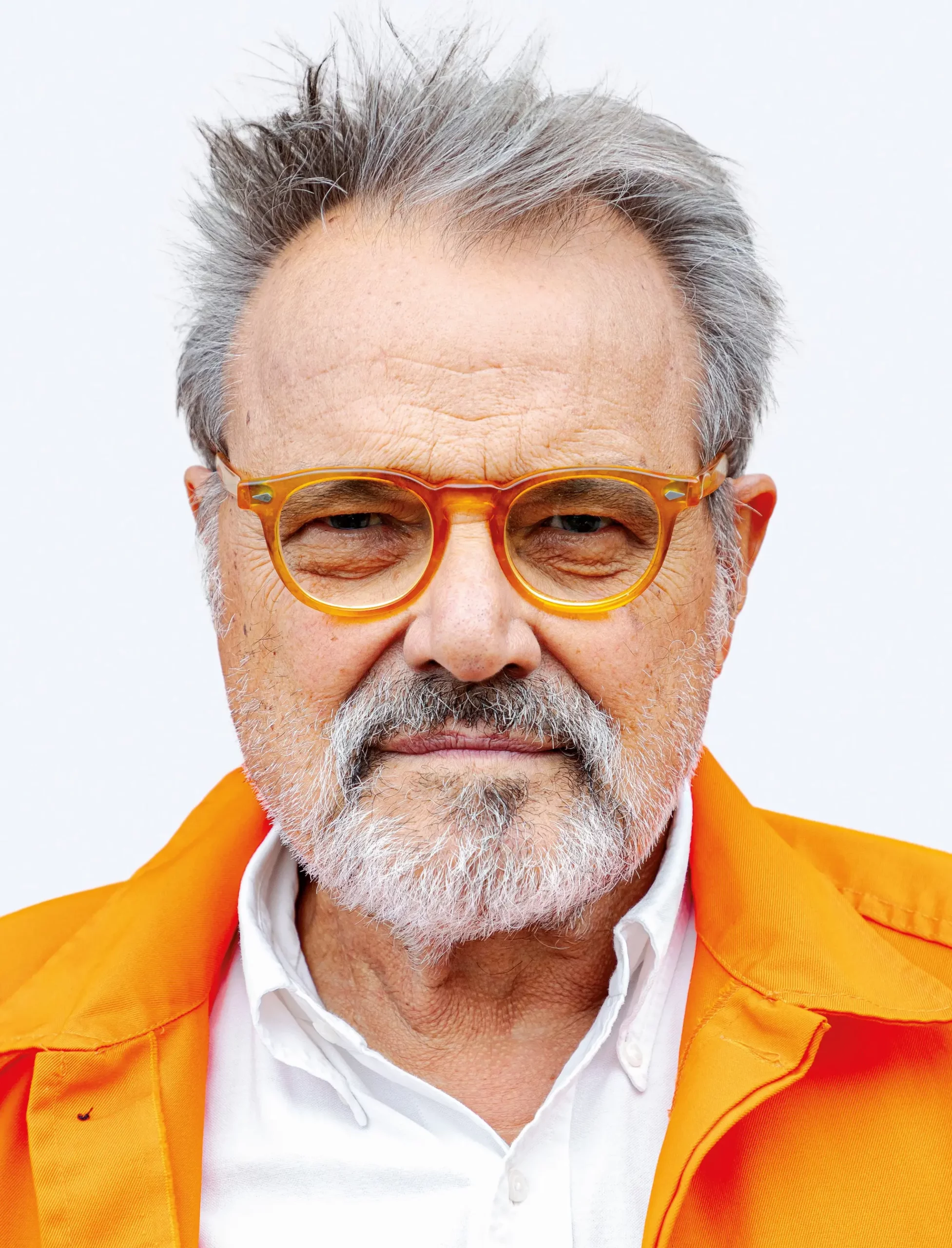
Oliviero Toscani is a name synonymous with provocative and groundbreaking photography. Born on February 28, 1942, in Milan, Italy, Toscani is celebrated not only for his artistic prowess but also for his fearless approach to social commentary through visual media. As a visionary in the world of fashion photography and advertising, Toscani has left an indelible mark on global culture, challenging norms and pushing boundaries. This comprehensive exploration of his life, work, and influence delves into the highlights of his career and provides insights into the man behind some of the most iconic images of the 20th and 21st centuries.
Early Life and Formative Years
Oliviero Toscani was born into a family steeped in the world of photography. His father, Fedele Toscani, was a pioneering photojournalist for the prestigious Italian newspaper Corriere della Sera. This environment nurtured Oliviero’s passion for photography from an early age. One of his earliest memories involves receiving a Ferrania “Rondine” camera, a gift that would set the course of his future.
Toscani’s formal education in photography began at the Kunstgewerbeschule in Zurich, one of Europe’s leading art schools. He graduated with exceptional marks, a testament to his extraordinary talent and dedication to his craft. His early work, characterized by a keen eye for capturing the essence of his generation, quickly set him apart in the competitive world of photography.
The Rise to Fame: Fashion and Beyond
The 1960s marked the beginning of Toscani’s professional career. His ability to capture the zeitgeist of the era, from the rebellious spirit of rock and roll to the evolving social norms, earned him recognition. Toscani’s work during this period was not merely about aesthetics; it was a reflection of the cultural shifts and the burgeoning counterculture movements.
His talent did not go unnoticed by the fashion world. Magazines like Vogue, Elle, and Harper’s Bazaar soon sought his distinctive style, which combined artistic vision with commercial appeal. Toscani’s work for these publications helped redefine fashion photography, blending the lines between art and commerce. His images were not just about selling clothes; they were statements that challenged the viewer’s perceptions and provoked thought.
The Benetton Years: Redefining Advertising
Oliviero Toscani’s most notable collaboration was with the Italian fashion brand Benetton. From 1982 to 2000, Toscani served as the creative force behind the brand’s advertising campaigns. Under his direction, Benetton’s advertising strategy became globally renowned, not for showcasing its products but for the bold social messages it conveyed.
Toscani’s campaigns for Benetton were revolutionary. He used the platform to address issues such as racism, war, AIDS, and the death penalty, often using shocking and controversial imagery. One of the most famous campaigns featured a photograph of a priest kissing a nun, an image that sparked outrage and debate but also drew significant attention to the brand.
This approach was not without its critics. Many accused Toscani of exploiting serious issues for commercial gain. However, Toscani defended his work, arguing that advertising had the power to bring about social change by raising awareness and provoking discussions. His work with Benetton was a stark departure from traditional advertising, which typically focused solely on the product. Instead, Toscani’s campaigns were about branding an ethos, a set of values that resonated with a global audience.
In addition to his work with Benetton, Toscani also launched “Colors,” the first global magazine, and “Fabrica,” an international arts and communication research center. Fabrica, designed by the renowned architect Tadao Ando, became a hub for young artists and communicators from around the world, further establishing Toscani as a pioneer in the creative industry.
The 1990s: Social Commentary Through Photography
The 1990s saw Toscani continuing to use his photography to comment on global issues. In 1992, he traveled to Somalia to document the humanitarian crisis in the refugee camps of Baidoa. The resulting photographs were published in leading magazines across Italy, Germany, and the United States, bringing the plight of the Somali people to a wider audience.
Toscani’s work during this period was not limited to the pages of magazines. His photographs were exhibited at prestigious venues, including the Venice Biennale and the São Paulo Art Biennial. His contributions to the field were recognized with numerous awards, including four Lion d’Or at the Cannes Film Festival, the Grand Prix from UNESCO, and accolades from the Art Directors Clubs in New York, Tokyo, and Milan.
In 1999, Toscani took on the role of creative director for the magazine “Talk,” part of the Miramax Group. Here, he developed a new visual identity for the publication, once again demonstrating his ability to innovate and influence the world of media and communication.
The 2000s: Embracing New Media
As the world transitioned into the digital age, so did Oliviero Toscani. After more than three decades of shaping the visual landscape of print media, Toscani turned his attention to the internet and other emerging platforms. In 2006, he became the artistic director of “MusicBox,” an interactive channel on the Sky platform. Here, he introduced a new concept where music videos were interspersed with “viral pills,” short, provocative clips designed to engage and challenge viewers.
Toscani also hosted a unique talk show called “Cameraoscura,” which further showcased his ability to adapt to new mediums while maintaining his distinct voice and perspective.
In 2007, Toscani embarked on one of his most ambitious projects, “Razza Umana” (Human Race). This project aimed to document the diverse expressions, physical characteristics, and cultural identities of people from around the world. Toscani traveled to over 100 towns in Italy, as well as to Israel, Palestine, and Guatemala, photographing thousands of individuals. “Razza Umana” was not just a photographic project; it was a sociological study that sought to celebrate human diversity and promote understanding across cultures.
The 2010s: Recognition and Continued Influence
The 2010s were marked by continued recognition of Oliviero Toscani’s contributions to the arts and communication. In 2010, the Academy of Fine Arts in Florence awarded him the title of Accademico di Onore, a prestigious honor acknowledging his impact on the field of visual arts.
In 2016, Toscani became a judge on the talent show “Master of Photography” on Sky Arte HD. This show brought together amateur and professional photographers from across Europe, providing Toscani with a platform to mentor and inspire the next generation of photographers.
Toscani’s influence was further recognized in 2017 when he received an honorary degree from the Academy of Fine Arts in Brescia. Two years later, he was awarded the Lifetime Achievement Award from the German Art Directors Club, solidifying his legacy as one of the most important figures in contemporary photography.
From 2018 to 2020, Toscani returned to Benetton, once again overseeing the brand’s photographic campaigns and resuming his role as the artistic director of “Fabrica.” His return marked a new chapter in his ongoing relationship with the brand and demonstrated his enduring influence in the world of advertising and communication.
Personal Life and Legacy
Oliviero Toscani’s personal life is as rich and complex as his professional career. He resides in Casale Marittimo, a small village in the Maremma region of Tuscany, where he produces wine and olive oil and raises horses. Toscani’s life in the countryside is a stark contrast to the frenetic pace of his professional life, offering him a space for reflection and creativity.
Toscani has been married three times and has six children. His current partner, Kirsti Moseng, has been with him for over 50 years, a testament to the enduring nature of their relationship.
Throughout his career, Toscani has published numerous books, sharing his insights and experiences with a wider audience. His publications include “Caro Avedon: La Fotografia in 25 Lettere ai Grandi Maestri” and his autobiography, “Ne ho fatte di tutti i colori – Vita e fortuna di un situazionista.” These works offer a glimpse into the mind of a man who has spent his life challenging conventions and pushing the boundaries of what photography can achieve.
Toscani’s first published photograph appeared in the Corriere della Sera when he was just 14 years old. It was a portrait of Rachele Mussolini, the widow of Benito Mussolini, taken during the dictator’s reburial in Predappio. This early experience set the tone for a career that would be defined by a fearless approach to capturing the truth, no matter how uncomfortable or controversial.
Conclusion
Oliviero Toscani is more than just a photographer; he is a provocateur, a storyteller, and a visionary. His work has transcended the boundaries of traditional photography, using images to challenge societal norms and inspire change. Whether through his groundbreaking campaigns for Benetton, his sociological studies in “Razza Umana,” or his mentorship of young photographers, Toscani has left an indelible mark on the world of visual communication.
As we look back on his career, it is clear that Toscani’s influence extends far beyond the world of fashion and advertising. His work has shaped our understanding of photography as a powerful tool for social commentary and change. In an era where images are more ubiquitous than ever, Toscani’s legacy serves as a reminder of the power of visual media to inform, inspire, and provoke.


