
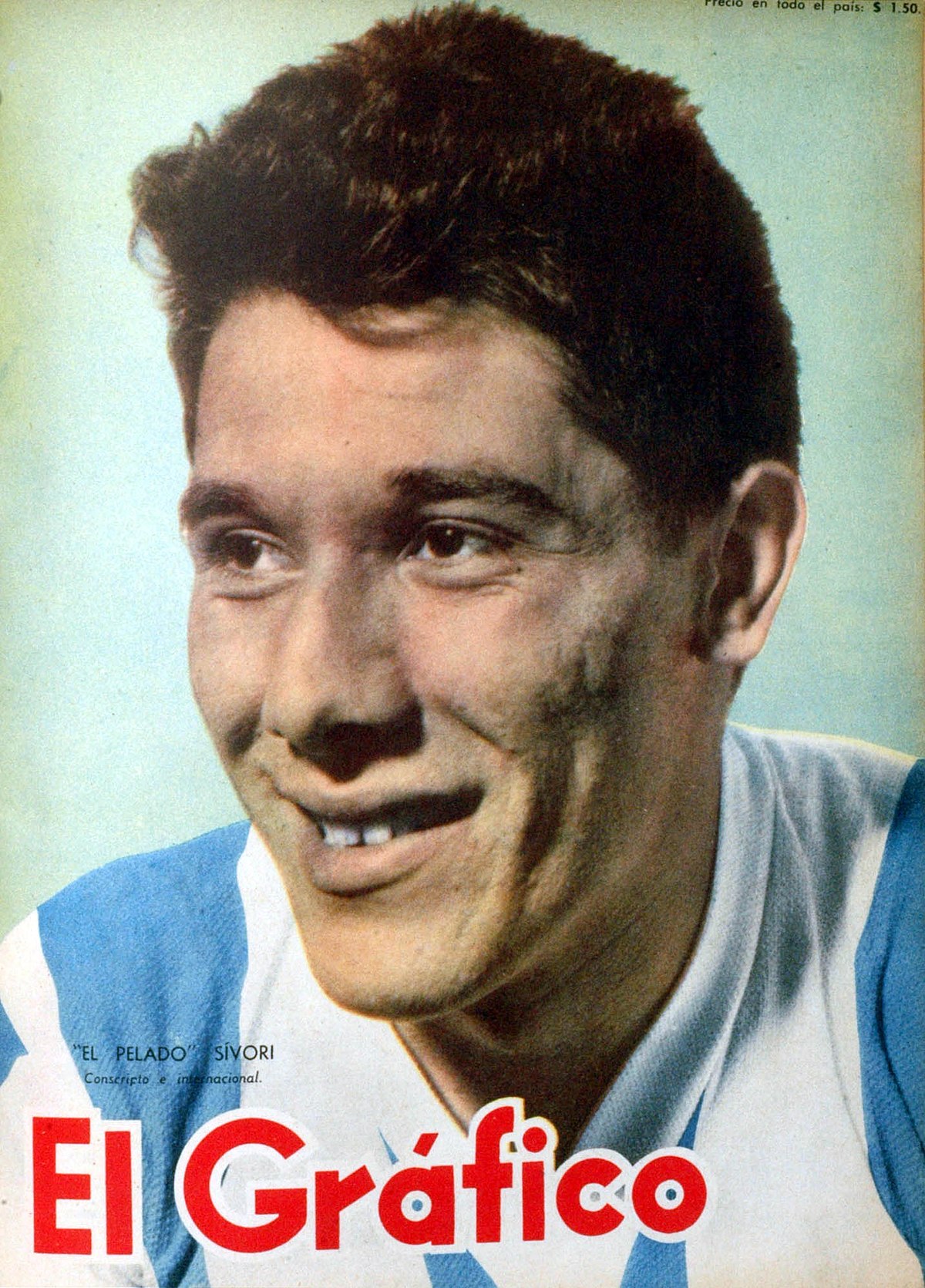
Omar Sivori, born on October 2, 1935, in San Nicolás, Argentina, is one of the most legendary figures in the history of football. Known for his exceptional left foot, charismatic personality, and unique playing style, Sivori’s impact on the game transcends his time as a player. His journey from the streets of Argentina to the grand stages of European football, particularly with Juventus, has left an indelible mark on the sport. This article delves deep into the life of Omar Sivori, exploring his age, fame, and the significant highlights that shaped his career.
Early Life and Football Beginnings
Omar Enrique Sivori was born into a humble family in San Nicolás, a small city located near Buenos Aires, Argentina. From a young age, Sivori displayed a remarkable talent for football. He began playing in the local municipal theater, where his love for the game blossomed. His early development in these informal settings laid the foundation for the extraordinary skills that would later define his career.
Sivori’s talent did not go unnoticed, and he soon joined the youth ranks of the famous Argentine club River Plate. At River Plate, he was mentored by Renato Cesarini, a former Juventus player and coach, who played a crucial role in shaping Sivori’s early career. Sivori’s natural ability with the ball, particularly his left foot, earned him the nicknames “El Cabezón” (The Big Head) and “El Gran Zurdo” (The Great Lefty), reflecting his physical and technical attributes.
Rise to Fame with River Plate
Sivori’s rise to fame began at River Plate, where he quickly established himself as one of the most promising talents in Argentine football. Between 1955 and 1957, Sivori played a pivotal role in helping River Plate secure three consecutive Argentine league titles. His ability to dribble past defenders, his vision on the field, and his knack for scoring goals made him a fan favorite and a key player for the team.
In 1957, Sivori’s performances with River Plate caught the attention of the national team selectors. He was called up to represent Argentina in the South American Championship, held in Peru. Alongside fellow stars Humberto Maschio and Antonio Angelillo, Sivori formed a formidable attacking trio that led Argentina to victory in the tournament. This triumph not only solidified Sivori’s reputation in South America but also marked the beginning of his international career.
The Move to Juventus: A New Chapter in Italy
Omar Sivori’s success in Argentina soon attracted the attention of European clubs, and in 1957, he made a groundbreaking move to Juventus in Italy. The transfer, orchestrated by Juventus president Umberto Agnelli, was one of the most expensive of its time, with the club paying 160 million lire to secure Sivori’s services. This sum allowed River Plate to renovate their stadium, a testament to Sivori’s value as a player.
Sivori’s arrival in Italy was met with great anticipation, and he quickly lived up to the hype. His debut season with Juventus was nothing short of spectacular, as he showcased his dribbling skills, creativity, and goal-scoring prowess. Sivori was not just a player; he was an entertainer who brought flair and excitement to the pitch. His style of play was characterized by his low socks, a cocky attitude, and an unrelenting desire to outwit his opponents. He became famous for his “tunnel” move, where he would cheekily pass the ball between an opponent’s legs—a move that would become synonymous with his name.
Dominance with Juventus: Scudetti and Personal Accolades
Sivori’s time at Juventus marked the peak of his career. During his eight seasons with the club, he helped Juventus win three Serie A titles (Scudetti) and three Coppa Italia trophies. His partnership with fellow forward John Charles and captain Giampiero Boniperti created one of the most feared attacking trios in Italian football history. Together, they led Juventus to domestic dominance, with Sivori often at the heart of the team’s most memorable moments.
In 1960, Sivori’s individual brilliance was recognized when he won the Serie A top scorer award, netting 28 goals in the season. His ability to score from almost any position on the field, coupled with his creative assists, made him a nightmare for defenders. Sivori’s performances in 1961 earned him the prestigious Ballon d’Or, awarded by “France Football” to the best player in Europe. This accolade cemented his status as one of the greatest footballers of his era.
The Move to Napoli and Continued Success
After nearly a decade of success with Juventus, Sivori’s relationship with the club began to deteriorate. In 1965, he transferred to Napoli, where he was reunited with his former Juventus teammate, José Altafini. The move to Napoli marked a new chapter in Sivori’s career, as he continued to mesmerize fans with his skills and leadership on the field.
At Napoli, Sivori became a beloved figure, captivating the passionate supporters of the club with his performances. Although he did not achieve the same level of team success as he had with Juventus, Sivori’s impact on Napoli was profound. He played a key role in elevating the club’s status in Italian football and left an enduring legacy in Naples.
International Career with Argentina and Italy
Omar Sivori’s international career was marked by both success and challenges. He initially represented Argentina, where he enjoyed success in the South American Championship. However, after moving to Italy, Sivori acquired Italian citizenship and made the controversial decision to represent the Italian national team.
Sivori’s decision to switch national allegiances was met with mixed reactions, but he quickly became an integral part of the Italian squad. He made nine appearances for Italy, scoring eight goals, and participated in the 1962 World Cup in Chile. Despite Italy’s disappointing performance in the tournament, Sivori’s contributions to the national team were significant, and he remains one of the few players to have represented two different countries at the international level.
Challenges and Controversies
While Sivori’s career was filled with moments of brilliance, it was not without its challenges and controversies. Known for his fiery temperament and outspoken nature, Sivori often found himself in trouble with referees and opponents. His aggressive style of play and tendency to retaliate when provoked led to numerous suspensions throughout his career. In total, Sivori was suspended for 33 matches during his time in Italy—a record that reflects both his competitive nature and his unwillingness to back down from a challenge.
One of the most significant controversies in Sivori’s career occurred during his time at Napoli. In the 1968-69 season, he was involved in an incident that led to a lengthy suspension, which effectively ended his playing career. Frustrated by the suspension and the declining state of his physical condition, Sivori decided to retire from professional football and return to Argentina.
Life After Football: Coaching and Commentary
After retiring as a player, Omar Sivori remained involved in football, taking on various roles as a coach, scout, and commentator. In 1994, he returned to Juventus as a scout for South America, a position that allowed him to use his extensive knowledge of the game to identify new talents for the club. Sivori’s deep understanding of football and his connections in Argentina made him a valuable asset to Juventus in this role.
Sivori also worked as a football commentator for the Italian television network Rai. True to his nature, Sivori was known for his candid and often blunt commentary, which sometimes ruffled feathers but was always insightful. His ability to analyze the game with the same sharpness that defined his playing style made him a respected voice in football journalism.
The Legacy of Omar Sivori
Omar Sivori passed away on February 18, 2005, at the age of 69, after a battle with pancreatic cancer. He died in his hometown of San Nicolás, where he had lived for many years, running a small farm and staying connected to the sport he loved.
Sivori’s legacy in football is immense. He is remembered as one of the most talented and charismatic players of his generation, a footballer who combined skill with a unique flair that made him a joy to watch. His influence extended beyond the pitch, as he became a cultural icon in both Argentina and Italy. Sivori’s style of play inspired countless young footballers, and his contributions to Juventus and Napoli have left a lasting impact on both clubs.
In recognition of his achievements, Sivori was posthumously inducted into the Italian Football Hall of Fame, a testament to the indelible mark he left on the sport. His name continues to be revered by fans and football historians alike, and his story serves as a reminder of the artistry and passion that define the beautiful game.
Conclusion: The Enduring Impact of Omar Sivori
Omar Sivori’s life and career are a testament to the power of talent, determination, and charisma in shaping the legacy of a footballer. From his early days in Argentina to his triumphs in Italy, Sivori’s journey was marked by extraordinary achievements and unforgettable moments. His ability to entertain, inspire, and challenge the norms of the game made him a true icon of football.
As we look back on the life of Omar Sivori, we see a player who not only achieved greatness on the field but also left an indelible mark on the hearts of those who witnessed his magic. His legacy continues to live on, inspiring future generations of footballers to play with the same passion, creativity, and love for the game that defined Omar Sivori’s illustrious career.


