
Introduction
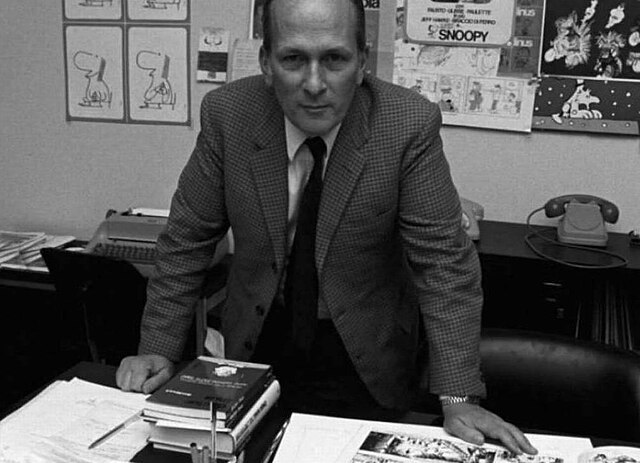
Oreste Del Buono, often referred to by his initials Odb, was a towering figure in Italian literature and journalism. Born on March 8, 1923, on the island of Elba, Del Buono was much more than a writer; he was a cultural icon who played a pivotal role in shaping post-war Italian intellectual life. As a writer, journalist, literary critic, translator, and editor, Del Buono’s influence extended across multiple domains, making him a significant force in the Italian cultural landscape. Known for his contributions to literature, his role in popularizing comic strips, particularly Charles Schulz’s Peanuts, and his editorial work, Del Buono was a revolutionary who challenged and reshaped Italian media and literary traditions.
Early Life and Education
Oreste Del Buono was born into a culturally rich environment that would greatly influence his future career. From a young age, Del Buono was immersed in the world of literature and art, developing a deep appreciation for the written word. His intellectual curiosity was evident early on, and he pursued his studies with a passion that would characterize his entire life.
Growing up during the turbulent years of World War II, Del Buono’s early experiences were marked by the political and social upheavals of the time. These formative years had a profound impact on his worldview and his later work. Del Buono was deeply affected by the war, particularly by his experience of being deported to a Nazi concentration camp, an ordeal that he later recounted in his debut novel, “Racconto d’inverno” (Winter’s Tale), published in 1945. This novel, which explored the harrowing realities of life under Nazi oppression, set the tone for much of his later work, which often grappled with themes of human suffering, resilience, and the complexities of modern life.
A Multifaceted Career: Writer, Journalist, and Translator
Oreste Del Buono’s career was marked by an impressive versatility. He was not only a writer but also a journalist, editor, and translator. His literary output included novels, essays, and short stories, many of which reflected his deep engagement with the social and political issues of his time. Some of his notable works include “Per pura ingratitudine” (For Pure Ingratitude, 1961), “I peggiori anni della nostra vita” (The Worst Years of Our Lives, 1971), “Tornerai” (You Will Return, 1976), “La talpa di città” (The City Mole, 1984), “La nostra classe dirigente” (Our Ruling Class, 1986), and “Amici, amici degli amici, maestri…” (Friends, Friends of Friends, Masters…, 1994).
As a journalist, Del Buono contributed to some of Italy’s most prestigious publications, including “Corriere della Sera,” “Panorama,” and “La Stampa.” His work was characterized by a sharp, incisive style and a commitment to exploring the truth, no matter how uncomfortable it might be. Del Buono’s journalism was deeply informed by his personal experiences and his intellectual rigor, making him a respected voice in Italian media.
Del Buono was also a prolific translator, with over 190 translated works to his name. His translations included the works of some of the greatest writers in the Western canon, such as Marcel Proust, Gustave Flaubert, Guy de Maupassant, Robert Louis Stevenson, and Oscar Wilde. His deep understanding of language and his sensitivity to the nuances of literary expression made him one of Italy’s most esteemed translators. Through his translations, Del Buono played a crucial role in introducing Italian readers to the works of these iconic authors, helping to expand the horizons of Italian literature.
Editor of “Linus”: A Revolutionary Contribution to Comics
One of Oreste Del Buono’s most significant contributions to Italian culture was his work as the editor of “Linus,” a groundbreaking comic strip magazine. Del Buono took over the helm of “Linus” in 1971 and remained its editor until 1981. Under his leadership, the magazine became a platform for some of the most innovative and influential comic artists of the time. Del Buono is credited with popularizing Charles Schulz’s Peanuts in Italy, bringing the beloved characters of Charlie Brown, Snoopy, and their friends into Italian homes.
Del Buono’s work with “Linus” was nothing short of revolutionary. At a time when comics were often dismissed as lowbrow entertainment, Del Buono recognized their potential as a powerful medium for storytelling and social commentary. He elevated the status of comics, bringing them into the cultural mainstream and showcasing their artistic and literary value. “Linus” became a fucina (a workshop or forge) for both national and international cartoonists, nurturing talents who would go on to shape the future of the medium.
Through “Linus,” Del Buono introduced Italian readers to a wide range of comic strips, from the satirical to the philosophical. His editorial vision helped to break down the barriers between high and low culture, demonstrating that comics could be both entertaining and intellectually engaging. This democratization of culture was one of Del Buono’s most enduring legacies, influencing generations of readers and creators alike.
Del Buono’s Influence on Italian Culture
Oreste Del Buono’s influence on Italian culture extended far beyond his work in literature and comics. He was a cultural omnivore, with a voracious appetite for knowledge and a deep curiosity about the world around him. This curiosity drove him to explore a wide range of subjects, from literature and film to politics and social issues.
Del Buono was known for his restless intellect and his refusal to be pigeonholed into any one category. He resisted being labeled an “intellectual,” despite his obvious qualifications for the title. Del Buono’s approach to culture was eclectic and inclusive, and he was just as likely to champion a detective novel or a comic strip as he was to discuss the works of Proust or Flaubert.
His work as a critic was marked by a keen eye for talent and a willingness to challenge conventional wisdom. Del Buono was not afraid to go against the grain, whether that meant defending the literary value of comic strips or questioning the prevailing cultural norms. His critical writing was always thought-provoking and often controversial, but it was never dull. Del Buono’s sharp wit and incisive analysis made him a respected and influential voice in Italian cultural discourse.
Personal Life and Character
Oreste Del Buono was known for his kindness, humility, and a strong sense of justice. He was a gentle soul, deeply offended by injustice and arrogance, and he was never afraid to speak out against these vices. His moral integrity was reflected in his work, both as a writer and as an editor, where he consistently sought to champion the underdog and to give a voice to those who were marginalized or overlooked.
Del Buono’s personal life was marked by a constant battle with insomnia, a condition that he often joked about. He would stay up late into the night reading and writing, making the most of the hours when others were asleep. This relentless work ethic, combined with his insatiable curiosity, allowed Del Buono to maintain an incredibly productive career, despite the physical toll that insomnia took on him.
Throughout his life, Del Buono maintained a sense of humor and irony, even in the face of adversity. His wit and humor were well-known among his friends and colleagues, and they were often reflected in his writing. Del Buono’s ability to find humor in even the most challenging situations was one of the qualities that endeared him to so many people.
Legacy and Death
Oreste Del Buono passed away on September 30, 2003, after a long illness. He was 80 years old. His death marked the end of an era in Italian culture, but his legacy continues to live on. Del Buono’s contributions to literature, journalism, and comics have left an indelible mark on Italian culture, and his influence can still be felt today.
Del Buono was one of the great cultural innovators of post-war Italy, and his work helped to shape the country’s intellectual landscape. He was a mentor to many young writers and artists, and his influence extended far beyond his own generation. Del Buono’s commitment to cultural democratization, his championing of marginalized voices, and his refusal to be constrained by conventional definitions of “high” and “low” culture have made him a lasting figure in Italian cultural history.
As the journalist and writer Nico Orengo, a close friend of Del Buono, remarked after his death, Oreste Del Buono was “one of the intellectuals who revolutionized, innovated, and changed the landscape of Italian publishing, from newspapers to magazines, to editorial series, on par with great editors like Italo Calvino, Elio Vittorini, Spagnol, Sereni, and publishers like Bompiani, Mondadori, and Rizzoli.”
Conclusion
Oreste Del Buono’s life and work represent a significant chapter in the history of Italian culture. His relentless pursuit of intellectual and cultural innovation, his commitment to democratizing culture, and his deep understanding of the human condition have earned him a place among the greats of Italian literature and journalism. Whether through his writing, his editorial work, or his translations, Del Buono consistently pushed the boundaries of what was possible in Italian culture.
His legacy as a cultural icon and a champion of the written word continues to inspire new generations of writers, editors, and readers. Oreste Del Buono remains a towering figure in the world of Italian letters, and his contributions to the cultural landscape of Italy will be remembered for generations to come.


