
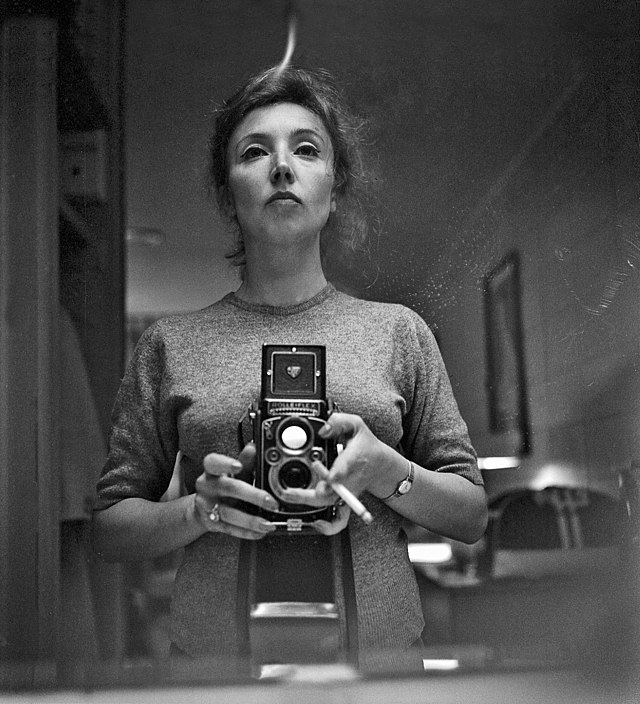
Oriana Fallaci was one of the most influential and controversial figures in 20th-century journalism and literature. Born on June 29, 1929, in Florence, Italy, Fallaci became renowned for her fearless interviews with some of the world’s most powerful leaders and her provocative writings on political and social issues. Her life was marked by her passionate commitment to truth, her unyielding stance on issues she believed in, and her relentless pursuit of excellence in her craft.
Early Life and the Seeds of Rebellion
Oriana Fallaci was born into a time of political turbulence in Italy. Growing up during the height of Mussolini’s fascist regime, Fallaci was exposed early on to the harsh realities of authoritarianism. Her father, Edoardo Fallaci, was an active antifascist who instilled in her a strong sense of justice and resistance to oppression. This influence was crucial in shaping her future as a journalist and writer.
At the tender age of ten, Oriana was already involved in the resistance movement against Nazi occupation, serving as a lookout and messenger for the partisans. Her early exposure to the brutalities of war and the fight for freedom left an indelible mark on her character, fostering a fierce independence and a lifelong disdain for tyranny. By the end of World War II, she had already demonstrated remarkable courage and earned a commendation from the Italian army for her efforts, all before she turned fifteen.
The Path to Journalism
After the war, Fallaci decided to pursue a career in journalism, a field where she could continue to explore her passion for truth and justice. She began her career as a reporter for Italian newspapers, covering everything from local stories to significant international events. Her sharp intellect and relentless curiosity quickly set her apart from her peers, and she soon earned a reputation as one of the most promising young journalists in Italy.
Her big break came when she was hired by the prestigious Italian weekly magazine L’Europeo. This position allowed her to travel extensively, reporting on major global events and conducting interviews with some of the most powerful and influential figures of the time. Her work at L’Europeo not only cemented her status as a leading journalist but also honed her skills in the incisive, confrontational style of interviewing that would become her trademark.
Iconic Interviews and Global Fame
Oriana Fallaci’s interviews are legendary, not just for the figures she interviewed, but for the way she conducted them. Her approach was fearless, often putting her subjects on the defensive with her direct and probing questions. She interviewed some of the most powerful and controversial leaders of the 20th century, including Henry Kissinger, Ayatollah Khomeini, Indira Gandhi, Yasser Arafat, and Muammar Gaddafi.
One of her most famous interviews was with Ayatollah Khomeini in 1979, during the Iranian Revolution. During the interview, Fallaci confronted Khomeini about the treatment of women in Iran. When Khomeini replied with the expectation that women should wear the chador (a full-body covering), Fallaci defiantly removed her own chador during the interview, challenging the Ayatollah’s views on women’s rights. This moment epitomized Fallaci’s fearless approach and her commitment to speaking truth to power, regardless of the personal risks involved.
Her interviews were compiled into the book Interview with History, which remains one of her most celebrated works. The book is a testament to her ability to extract candid and often revealing responses from her subjects, providing deep insights into the minds of some of the most enigmatic and powerful individuals of her time.
Transition to Literature and Cultural Impact
While Fallaci’s journalism brought her international fame, she also made significant contributions to literature. Her books often blended her experiences as a journalist with fiction, creating narratives that were both deeply personal and universally resonant. One of her most famous works is Letter to a Child Never Born (1975), a poignant and reflective novel that explores themes of motherhood, life, and the existential dilemmas faced by women. The book was a massive success, resonating with readers worldwide and further establishing Fallaci as a powerful voice in contemporary literature.
In Un Uomo (1979), Fallaci penned a deeply personal account of her relationship with Greek resistance fighter Alekos Panagulis, who became a martyr in the struggle against the military junta in Greece. The book is not just a biography but a reflection on freedom, sacrifice, and the price of resistance. It reveals Fallaci’s deep emotional connection to her subject matter and her ability to convey the complexities of human nature and political struggle.
Her literary style was characterized by its intensity, directness, and emotional depth. Fallaci’s writing often reflected her own struggles and convictions, making her works deeply personal yet universally relatable. Her books were translated into numerous languages, and she became one of the most widely read Italian authors of her time.
Controversies and Later Life
In the latter part of her life, Oriana Fallaci became increasingly controversial, particularly due to her outspoken views on Islam and the clash of civilizations. After the September 11, 2001 terrorist attacks in the United States, Fallaci broke a long period of silence with a fiery article in Corriere della Sera, titled The Rage and the Pride. In it, she expressed her deep anger and disillusionment with what she perceived as the West’s complacency in the face of Islamic extremism. The article, and the subsequent book of the same title, was both praised and condemned for its uncompromising stance and inflammatory rhetoric.
Fallaci’s views alienated many of her former admirers, but they also garnered her a new following among those who shared her concerns about the rise of radical Islam. She followed up with The Force of Reason (2004), which continued in the same vein, warning of the dangers she believed Islam posed to Western civilization. Her writings on this topic were highly polarizing, sparking intense debate and criticism, as well as legal challenges in Europe for inciting hatred.
Despite the controversy, Fallaci remained unapologetic. She saw herself as a defender of Western values and a truth-teller in an era of political correctness. Her later works were an extension of the passion and conviction that had driven her throughout her career, albeit directed at a new and contentious issue.
Legacy and Influence
Oriana Fallaci passed away on September 15, 2006, in her hometown of Florence, after a long battle with cancer. She left behind a legacy as one of the most formidable journalists and writers of her time. Her work continues to be studied and debated, and her influence can be seen in the generations of journalists and writers who followed in her footsteps.
Fallaci’s legacy is multifaceted. She was a pioneering woman in a male-dominated field, breaking barriers and setting new standards for journalistic integrity and fearlessness. Her interviews remain some of the most revealing and important documents of the 20th century, offering insights into the minds of leaders who shaped history.
Her books, especially those written later in life, continue to spark discussion and debate. Whether one agrees with her views or not, it is undeniable that Fallaci’s work challenged readers to think critically about the world around them and the forces that shape it. Her passion for truth, her courage in the face of power, and her unyielding commitment to her beliefs make her a figure of enduring importance in both journalism and literature.
Conclusion
Oriana Fallaci was a woman of immense talent, courage, and complexity. Her life was a testament to the power of words and the impact they can have on the world. From her early days in the Italian resistance to her later years as a controversial commentator on global affairs, Fallaci remained true to her convictions and never shied away from speaking her mind.
Her work continues to inspire and provoke, reminding us of the importance of questioning authority, defending freedom, and confronting uncomfortable truths. Oriana Fallaci’s legacy is that of a fearless truth-seeker, a passionate advocate for justice, and a powerful voice in the ongoing dialogue about the direction of our world.


