
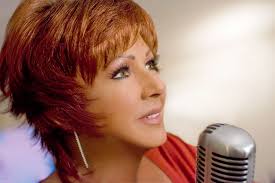
Orietta Berti, born Orietta Galimberti on June 1, 1943, in Cavriago, Reggio Emilia, Italy, is a celebrated Italian singer and television personality. Known for her distinctive voice and vibrant personality, Berti has been a beloved figure in Italian entertainment for decades. This article explores her early life, rise to fame, career highlights, and the lasting impact she has made on the Italian music scene.
Early Life and Musical Beginnings
Orietta Berti was born into a family that appreciated music. Her father, a passionate lover of opera, encouraged her to pursue singing from a young age. Berti began studying classical singing, which laid a solid foundation for her future career in pop music.
Her first significant opportunity came in the early 1960s when she participated in the “Voci Nuove Disco d’Oro” competition in Reggio Emilia. Performing Gino Paoli’s “Il cielo in una stanza,” she reached the finals alongside future stars like Gianni Morandi and Iva Zanicchi. It was during this competition that she met Giorgio Calabrese, the artistic director of the Karim label, who offered her a recording contract.
Rise to Fame in the 1960s
Orietta Berti’s initial releases did not gain much attention, but her persistence paid off. In 1964, she signed with Polydor and released a cover of Brenda Lee’s “Losing You.” The following year, she achieved her breakthrough with the song “Tu sei quello” at the “Un disco per l’estate” festival. This success was followed by her first place win at the “Festival delle Rose” with the song “Voglio dirti grazie.”
Berti’s popularity soared in 1966 when she performed at the Sanremo Music Festival with “Io ti darò di più,” written by Memo Remigi and Alberto Testa. Her success continued with “Io, tu e le rose” at Sanremo in 1967, a song notably mentioned in the suicide note of fellow singer Luigi Tenco.
Major Hits and Television Presence in the 1970s
The 1970s were a golden era for Orietta Berti. She scored numerous hits, including “Fin che la barca va,” which became an iconic song in Italian pop culture. The song, released in 1970, was a massive success and solidified her status as a leading figure in Italian music.
Berti’s popularity was not limited to music. She also made a significant impact on Italian television. In 1970, she starred in a special TV series “La cugina Orietta,” which delved into her life and career. Throughout the decade, she continued to release hit songs like “L’altalena” and “Via dei Ciclamini,” and explored different musical styles, including folk and gypsy music with her album “Zingari.”
In addition to her music career, Berti ventured into acting. She appeared in Ettore Scola’s film “I nuovi mostri” and the comedy “Quando c’era lui… caro lei!” alongside Paolo Villaggio.
Continued Success in the 1980s
Orietta Berti remained a prominent figure in the 1980s. She continued to participate in the Sanremo Music Festival with songs like “La barca non va più” (1981) and “America in” (1982). Her ability to adapt to changing musical trends while maintaining her unique style helped her stay relevant in the rapidly evolving music scene.
In 1984, Berti began producing her own music with the album “Le mie nuove canzoni.” She also participated in the television show “Premiatissima,” where she performed covers of famous songs by artists like Tony Dallara, Julio Iglesias, and Sergio Endrigo. Her collaboration with Umberto Balsamo resulted in the well-received album “Futuro” and the Sanremo entry “Tarantelle” in 1989.
The 1990s: Television and New Collaborations
The 1990s saw Orietta Berti expand her presence on television. She was a regular on shows like “C’era una volta il festival” and “Una rotonda sul mare.” In 1992, she returned to Sanremo with “Rumba di tango,” performed with Giorgio Faletti.
Berti’s television career flourished as she co-hosted various programs, including “Rock’n’roll” with the cast of “Non è la Rai” and appeared regularly on “Domenica In.” Her collaborations with Fabio Fazio on “Anima mia” and “Quelli che il calcio” further cemented her status as a beloved TV personality.
2000s and 2010s: Reinvention and Continued Popularity
In the 2000s, Orietta Berti remained active in both music and television. She became a fixture on “Buona Domenica” with Maurizio Costanzo and produced the album “Emozione d’autore.” Her participation in “Ballando con le stelle” (the Italian version of “Dancing with the Stars”) in 2006 showcased her versatility and endeared her to a new generation of fans.
In 2016, Berti joined the cast of “Che fuori tempo che fa,” a popular talk show hosted by Fabio Fazio. Her presence on the show reintroduced her to a broader audience and reaffirmed her place in Italian pop culture.
Recent Work and Renewed Success
Orietta Berti’s career experienced a significant revival in the late 2010s and early 2020s. In 2021, she returned to the Sanremo Music Festival with “Quando ti sei innamorato,” marking her twelfth appearance at the prestigious event. Her performance was well-received, highlighting her enduring appeal and talent.
Berti’s participation as a fixed commentator on the seventh season of “Grande Fratello VIP” (the Italian version of “Big Brother VIP”) in 2022 further showcased her adaptability and continued relevance in contemporary media.
Cultural Impact and Legacy
Orietta Berti’s impact on Italian music and culture is profound. Her career, spanning over six decades, is a testament to her talent, resilience, and ability to connect with audiences across generations. Known for her warm personality and distinctive voice, Berti has become an enduring symbol of Italian pop music.
Her contributions to television have also been significant, with her appearances on various shows helping to shape Italian entertainment. Berti’s willingness to explore different musical genres and her collaborations with a wide range of artists have cemented her reputation as a versatile and innovative performer.
Personal Life
Orietta Berti’s personal life has been marked by her long-lasting marriage to Osvaldo Paterlini, whom she married on March 14, 1967. The couple has two sons, Omar (born August 3, 1975) and Otis (born February 18, 1980). The family shares a close bond, and Berti often speaks fondly of her husband and children.
The Berti-Paterlini family is known for its distinctive tradition of names starting with the letter “O,” including Orietta’s mother Olga and her mother-in-law Odilla.
Conclusion
Orietta Berti’s remarkable career is a testament to her talent, determination, and ability to adapt to the ever-changing landscape of the entertainment industry. From her early days in the 1960s to her continued success in the 2020s, Berti has remained a beloved figure in Italian music and television.
Her contributions have left an indelible mark on Italian pop culture, and her legacy continues to inspire both fans and aspiring artists. As she continues to perform and engage with audiences, Orietta Berti’s influence and charm show no signs of waning, solidifying her status as an enduring icon in Italian entertainment.


