
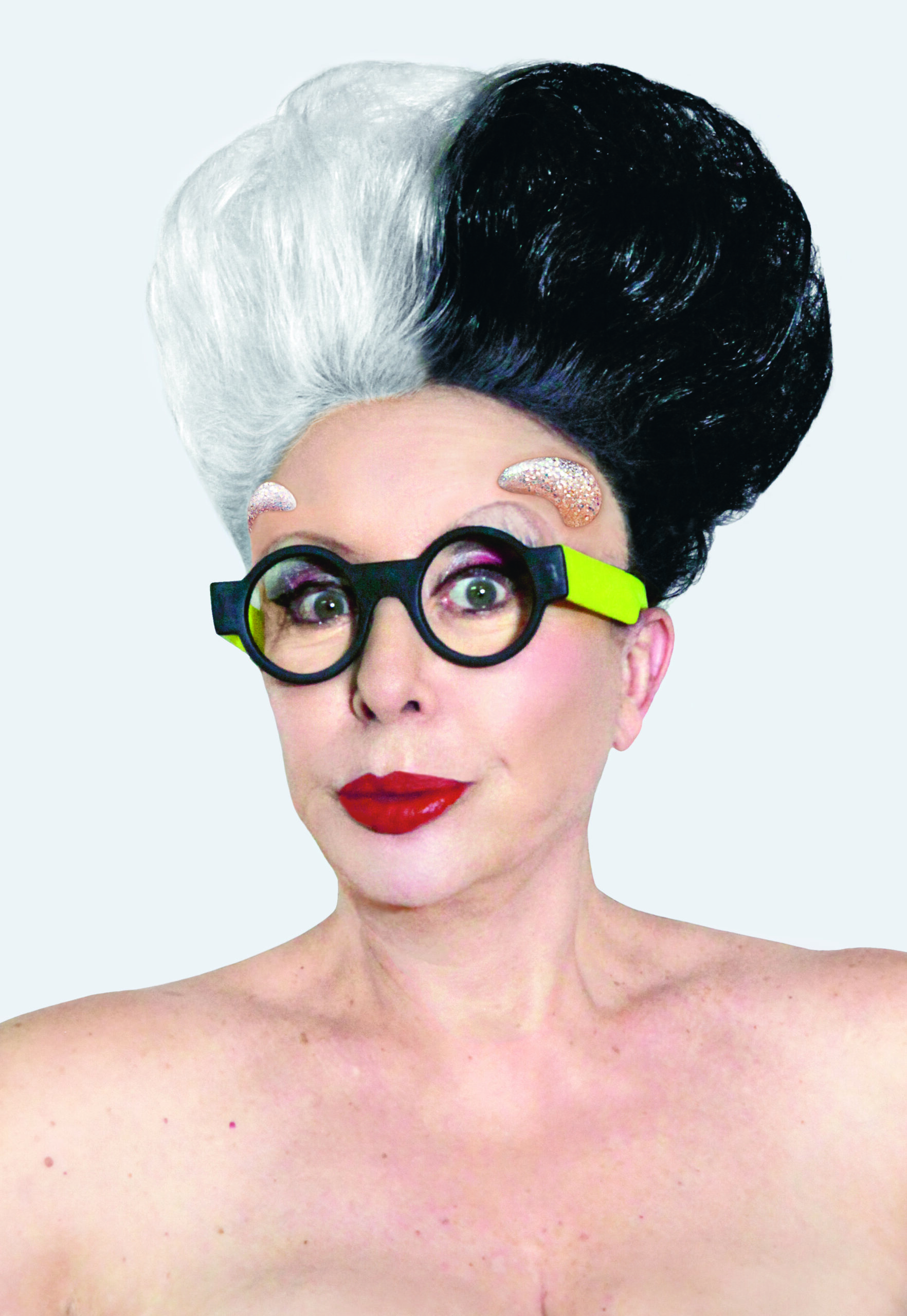
Orlan, born Mireille Suzanne Francette Porte on May 30, 1947, in Saint-Etienne, France, is an avant-garde artist whose work has pushed the boundaries of contemporary art and challenged societal norms around identity, beauty, and the human body. Known for her radical body modifications and performances, Orlan has become a leading figure in what is often termed post-organic or post-human art. This article explores her life, her controversial yet influential body of work, and her lasting impact on the art world.
Early Life and Artistic Beginnings
Orlan grew up in post-war France, a period marked by rapid social and technological changes. These influences likely shaped her interest in the body as both a subject and a medium in her art. She began her artistic journey in the 1960s, a time when the art world was undergoing significant transformations, with movements like performance art, conceptual art, and body art emerging as powerful means of expression.
In 1964, Orlan performed her first public art pieces, which were unconventional even by the standards of the time. One of her early performances involved measuring urban spaces with her body, a concept she termed “Orlan-corps,” or “Orlan-body,” where she literally used her body as a unit of measure. This idea of using the body as a canvas, a tool, and a statement would become a central theme throughout her career.
The Birth of a Post-Human Icon
The 1970s and 1980s saw Orlan solidify her reputation as a groundbreaking artist. Her work during this period began to focus increasingly on the intersection of art, technology, and the human body. She questioned the traditional notions of beauty and identity by transforming her body into a living sculpture. One of her most significant early performances was in 1978, when she filmed a surgical procedure performed on herself. This act marked the beginning of her exploration into surgical performance art, a genre she would come to define.
In 1990, Orlan embarked on one of her most ambitious projects, “The Reincarnation of Saint Orlan.” This ongoing series of surgical performances aimed to transform her body into a living embodiment of classical ideals of beauty, inspired by figures such as Venus, Diana, Psyche, and the Mona Lisa. Orlan did not seek to conform to these ideals; instead, she used them to critique the very concept of ideal beauty. By undergoing surgery to alter her appearance, she highlighted the artificiality of beauty standards and the power of technology to redefine identity.
One of the most famous surgeries in this series took place on November 21, 1993, in New York City. During this performance, Orlan had silicone implants inserted into her forehead, creating two protrusions that resembled small horns. This shocking transformation was not just a physical alteration but a statement about the role of body modification in the construction of identity and the potential for humans to transcend traditional biological limitations.
Orlan’s Artistic Philosophy and Influence
Orlan’s work is deeply philosophical, engaging with ideas of identity, gender, and the human condition. She challenges the notion that identity is fixed and determined by one’s physical appearance. Instead, Orlan advocates for the idea that identity is fluid, mutable, and can be reshaped according to one’s desires and technological capabilities.
Her work also explores the implications of new medical and technological advancements on human identity. By combining baroque iconography, medical technology, and digital art, Orlan’s performances question the traditional Western concepts of beauty, selfhood, and otherness. She has described her work as “Carnal Art,” a term she coined to describe art that uses the body as a canvas, blurring the line between life and art.
Orlan’s impact extends beyond the art world. Her performances have sparked discussions about the ethics of body modification, the role of technology in society, and the future of human identity. Her work has been supported by various cultural institutions, including the French Ministry of Culture and the Ministry of Foreign Affairs, underscoring her influence and the significance of her contributions to contemporary art.
Controversies and Criticisms
Orlan’s work has not been without controversy. Her radical approach to body art has provoked strong reactions from both the public and critics. Some view her work as a profound exploration of identity and the human condition, while others see it as a disturbing and unnecessary violation of the body.
One of the main points of contention is the extent to which Orlan’s surgeries blur the line between art and self-harm. Critics argue that by undergoing unnecessary surgical procedures, Orlan is promoting a dangerous message about body modification and the lengths to which one should go in the name of art. However, Orlan counters these criticisms by framing her work as a critique of the very societal pressures that promote unrealistic beauty standards and body image issues.
Moreover, Orlan’s use of her own body as a medium has raised ethical questions about the commodification of the body in art. Her practice of selling video recordings of her surgeries and even preserving and displaying the organic matter removed during these procedures, which she refers to as “reliquaries,” has been particularly controversial. This aspect of her work challenges viewers to confront their own discomfort with the body and the material realities of human flesh.
Orlan’s Legacy and Ongoing Influence
Despite the controversies, Orlan’s work has had a profound and lasting impact on the art world and beyond. She has been a pioneer in the field of body art, pushing the boundaries of what is considered art and challenging society’s perceptions of the human body. Her influence can be seen in the work of many contemporary artists who explore similar themes of identity, technology, and the body.
In addition to her performances, Orlan has contributed to the discourse on contemporary art through her writing and teaching. She founded “Art-Accès” in 1982, the first contemporary art and creation magazine on Minitel, a precursor to the internet in France. Her involvement in the academic world, including teaching at the Ecole Nationale des Beaux-Arts de Dijon, has helped to shape the next generation of artists and thinkers.
Orlan’s work is also notable for its engagement with global cultural and technological trends. Her collaborations with other artists and institutions around the world have helped to bring her ideas to a wider audience and have ensured that her work remains relevant in an ever-changing cultural landscape.
The Future of Orlan’s Work
As technology continues to evolve, the questions Orlan raises about identity, the body, and the role of technology in shaping our lives are becoming increasingly relevant. Her work anticipates many of the ethical and philosophical dilemmas that are now at the forefront of discussions about biotechnology, artificial intelligence, and the future of humanity.
Orlan’s ongoing projects continue to push the boundaries of art and technology. Her recent work has involved the use of digital media, including photography and interactive video installations, to further explore the themes of transformation and identity. By embracing new technologies, Orlan is able to extend her exploration of the body and identity into new realms, challenging audiences to think critically about the impact of these technologies on our lives.
In many ways, Orlan’s work is a precursor to current debates about transhumanism, the idea that humans can and should use technology to enhance their physical and cognitive abilities. Her performances serve as a provocative reminder of the potential and the dangers of this approach, encouraging us to consider the ethical implications of our increasingly intimate relationship with technology.
Conclusion: Orlan’s Enduring Impact on Art and Culture
Orlan is more than just an artist; she is a cultural provocateur who has spent her career challenging our most deeply held beliefs about the body, identity, and the role of art in society. Through her radical performances and body modifications, she has redefined the possibilities of art and opened up new avenues for exploring the human condition.
Her work raises important questions about the nature of beauty, the ethics of body modification, and the role of technology in shaping our identities. As we move further into an age where technology and biology are increasingly intertwined, Orlan’s art provides a crucial lens through which to examine the potential benefits and risks of this convergence.
In a world that is constantly changing, Orlan’s work remains as relevant as ever. Her ability to provoke, challenge, and inspire makes her one of the most important artists of our time. As we continue to grapple with the questions she raises, Orlan’s legacy will undoubtedly endure, influencing not only the world of art but also the broader cultural conversations about what it means to be human in the 21st century.


