
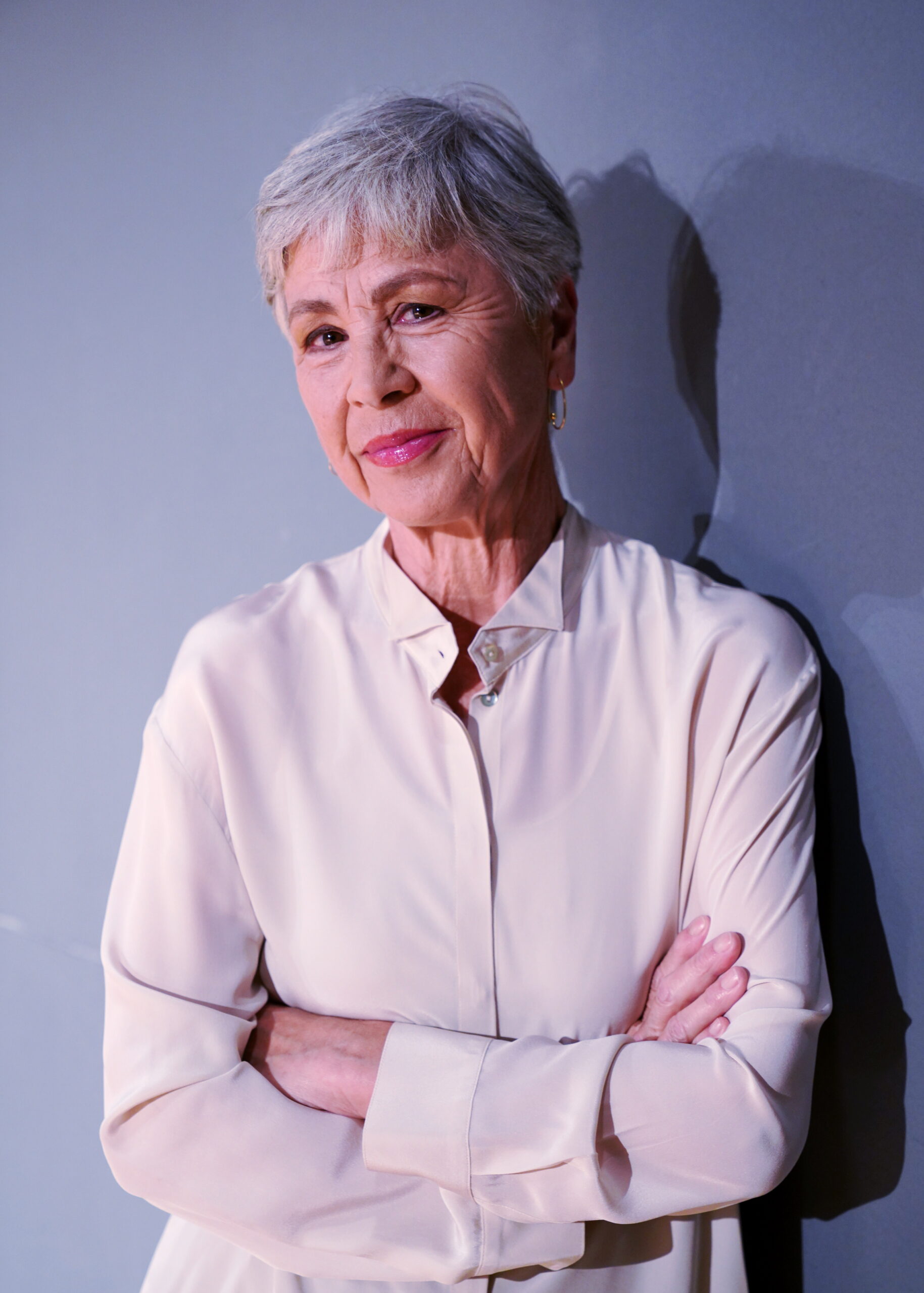
Ottavia Piccolo is a name synonymous with grace, versatility, and a profound dedication to the craft of acting. Born on October 9, 1949, in Bolzano, Italy, Piccolo has carved out an illustrious career in theater, cinema, and television over the past six decades. Her journey from a child prodigy to one of Italy’s most respected actresses is a testament to her talent, resilience, and the ability to adapt to the ever-evolving world of entertainment. This article will delve into Ottavia Piccolo’s age, rise to fame, and key life highlights, exploring the nuances and historical context that have shaped her remarkable career.
Early Life and Introduction to Acting
Ottavia Piccolo was born into a time when Italian cinema and theater were experiencing a renaissance, with figures like Federico Fellini, Luchino Visconti, and Giorgio Strehler leading the way. Her early exposure to the arts, particularly through her father, who was passionate about theater, laid the foundation for her future in acting.
At the tender age of 11, Piccolo made her stage debut in Anna dei Miracoli (The Miracle Worker), directed by Luigi Squarzina. She played Helen Keller, the young girl who is blind, deaf, and mute, opposite renowned actress Anna Proclemer. This role not only showcased Piccolo’s extraordinary talent but also marked the beginning of a lifelong dedication to the stage and screen.
Rising Star in Italian Cinema
By the early 1960s, Ottavia Piccolo had begun to establish herself as a formidable talent in Italian cinema. Her film debut came in 1963, when she appeared in Luchino Visconti’s Il Gattopardo (The Leopard), a film that is now considered a classic of Italian cinema. This experience under Visconti’s direction was instrumental in shaping her acting style and her approach to character development.
The 1960s and 1970s were a golden era for Italian cinema, and Piccolo was at the forefront, starring in a series of films that showcased her range and depth as an actress. She worked with some of the most respected directors of the time, including Mauro Bolognini in Metello (1970), a role that earned her the prestigious Palme d’Or for Best Actress at the Cannes Film Festival. This accolade catapulted her to international recognition, solidifying her status as one of Italy’s premier actresses.
Transition to International Cinema
Following her success in Italy, Ottavia Piccolo’s career expanded to international cinema, particularly in France, where she became a beloved figure in the film industry. Her roles in French cinema were diverse, ranging from the complex character of a prostitute in Claude Sautet’s Mado to starring alongside icons like Alain Delon and Simone Signoret in L’Evaso (1971).
Piccolo’s ability to seamlessly transition between the Italian and French film industries was a testament to her linguistic skills and her versatility as an actress. Her performances were marked by a deep understanding of her characters, whether she was playing aristocratic roles or more grounded, relatable figures.
A Flourishing Theater Career
While Ottavia Piccolo found considerable success in cinema, theater remained her first love. Throughout her career, she returned to the stage repeatedly, working with some of the most esteemed directors in Italian theater. Her collaborations with Giorgio Strehler and Luca Ronconi were particularly noteworthy. Under Strehler’s direction, she starred in productions such as Le Baruffe Chiozzotte and Re Lear (King Lear), where her performances were lauded for their emotional depth and complexity.
One of Piccolo’s most memorable theater performances was in Ronconi’s adaptation of Orlando Furioso in 1969, a role that she reprised in the 1974 film version. This production was a defining moment in Italian theater, blending innovative staging techniques with classic literature, and Piccolo’s portrayal was a key component of its success.
Television Success and Continued Popularity
In addition to her film and theater work, Ottavia Piccolo has had a significant presence on Italian television. During the 1980s and 1990s, she starred in several popular television series, including Chiara e gli Altri and Donna. Her ability to connect with television audiences made her a household name in Italy, and her performances were characterized by the same dedication and authenticity that marked her stage and film work.
One of her most acclaimed television roles was in the adaptation of Italo Svevo’s La Coscienza di Zeno (Zeno’s Conscience) in 1988, directed by Sandro Bolchi. Piccolo’s portrayal of Augusta, Zeno’s long-suffering wife, was both nuanced and powerful, earning her critical praise and further solidifying her reputation as a versatile and skilled actress.
Personal Life and Influences
Despite her busy career, Ottavia Piccolo has managed to maintain a stable personal life, a feat not always common in the entertainment industry. In 1974, she married Claudio Rossoni, a journalist, with whom she has a son, Nicola, born in 1975. Piccolo has often spoken about the importance of balancing her professional and personal life, and she has succeeded in doing so with grace.
Her personal experiences, combined with her extensive training and diverse career, have informed her approach to acting. Piccolo is known for her ability to bring authenticity and emotional truth to her roles, drawing on both her own life experiences and her deep understanding of the human condition.
The 1980s and 1990s: A Period of Maturity
As Ottavia Piccolo moved into the 1980s and 1990s, her work took on a new level of maturity. She returned to cinema with notable performances in Ettore Scola’s La Famiglia (1987), where she played the aging Adelina, and in Da Grande (1987), a comedy directed by Franco Amurri. These roles demonstrated her ability to evolve with her characters, portraying a range of emotions from nostalgia to humor with equal skill.
During this period, Piccolo also continued to thrive on television, with roles that showcased her ability to captivate audiences in long-running series and standalone dramas. Her television work in France during this time also helped maintain her popularity across Europe, making her a well-known figure beyond the borders of Italy.
Voice Acting and Dubbing
In addition to her on-screen and stage work, Ottavia Piccolo has also made significant contributions as a voice actress. She is perhaps best known in this field for providing the Italian voice for Princess Leia in the original Star Wars trilogy. Her voice work is characterized by the same precision and emotional depth that defines her acting, bringing characters to life in a way that resonates with audiences.
Voice acting allowed Piccolo to explore a different aspect of her craft, one that required her to convey emotion and character through voice alone. Her success in this area further exemplifies her versatility and her dedication to her art.
Continued Relevance and Influence
Even after six decades in the industry, Ottavia Piccolo remains a vital and influential figure in Italian and international entertainment. She continues to work in theater, film, and television, taking on roles that challenge her and allow her to explore new aspects of her talent. Her influence can be seen in the work of younger actors who cite her as an inspiration, and in the continued popularity of her films and television shows.
Piccolo’s career is a testament to the power of adaptability and the importance of staying true to one’s artistic vision. She has managed to navigate the changing landscape of the entertainment industry while maintaining a consistent level of excellence, earning her a place among the greats of Italian cinema and theater.
Legacy and Impact
Ottavia Piccolo’s legacy is one of dedication, versatility, and artistic integrity. She has brought to life a vast array of characters, each one imbued with a sense of authenticity and emotional depth that has resonated with audiences around the world. Her contributions to theater, cinema, and television have not only enriched Italian culture but have also had a lasting impact on the global entertainment industry.
As she continues to work and inspire, Piccolo’s legacy is secure. She stands as a shining example of what it means to be a true artist—committed to the craft, unafraid of challenges, and always striving for excellence. Her influence will undoubtedly be felt for generations to come, as future actors look to her body of work as a source of inspiration and guidance.
Conclusion
Ottavia Piccolo’s journey from a child actress to a revered figure in the entertainment industry is a story of talent, hard work, and an unwavering commitment to her craft. Her ability to navigate the complexities of both stage and screen has made her one of the most respected and beloved actresses in Italy and beyond. As she continues to grace the stage and screen with her presence, Ottavia Piccolo remains a testament to the enduring power of performance and the timeless appeal of a truly great artist.


