
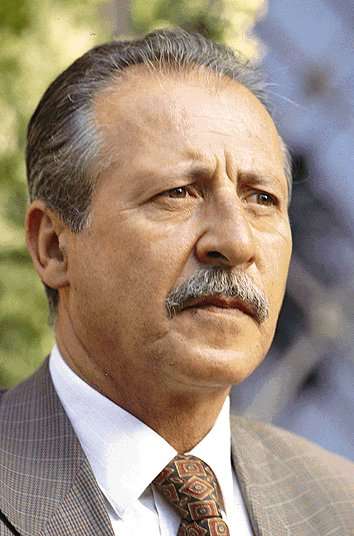
Paolo Borsellino, born on January 19, 1940, in Palermo, Italy, is remembered as one of the most courageous and dedicated magistrates in the fight against the Mafia. His work, alongside his friend and colleague Giovanni Falcone, was instrumental in challenging the power of organized crime in Sicily. This article explores the life, career, and significant achievements of Paolo Borsellino, providing detailed insights and historical context to understand his enduring legacy.
Early Life and Education
Birth and Family Background
Paolo Borsellino was born into a middle-class family in the Kalsa district of Palermo, an area with a rich historical and cultural heritage. His parents, both pharmacists, instilled in him a strong sense of duty and integrity. Borsellino attended the prestigious Liceo Classico “Giovanni Meli” and went on to study law at the University of Palermo, graduating with top honors at the age of 22.
University and Early Interests
During his university years, Borsellino became actively involved in student politics. He was a member of the executive provincial committee and a delegate at the provincial congress, representing the Fuan Fanalino student group. His early involvement in civic activities foreshadowed his lifelong commitment to justice and public service.
Career Beginnings
Entry into the Judiciary
After completing his law degree, Borsellino faced the tragic loss of his father. This personal loss placed the responsibility of supporting his family squarely on his shoulders. Despite these challenges, he continued his legal studies and passed the judiciary exam in 1963. Borsellino’s dedication to his family and his profession were evident from the outset of his career.
Early Judicial Roles
In 1965, Borsellino began his career as a judicial auditor at the civil court of Enna. Two years later, he was appointed as a magistrate in Mazara del Vallo, where he served during a challenging period following a devastating earthquake. His early assignments exposed him to the complexities of law enforcement in a region plagued by organized crime and natural disasters.
Rise to Prominence
Transfer to Palermo
In 1975, Borsellino was transferred to the Tribunal of Palermo. Here, he joined the Office of Preliminary Investigations under the leadership of Rocco Chinnici. Working closely with Captain Emanuele Basile of the Carabinieri, Borsellino embarked on his first significant investigations into the Mafia. This marked the beginning of his relentless pursuit of justice against organized crime.
The Formation of the Anti-Mafia Pool
Borsellino’s collaboration with Giovanni Falcone and Rocco Chinnici led to the formation of the anti-Mafia pool, a group of magistrates dedicated to investigating and prosecuting Mafia activities. This team, which included Leonardo Guarnotta and Giuseppe Di Lello, revolutionized the approach to fighting organized crime in Italy. Their work laid the groundwork for the landmark Maxi Trial, which aimed to dismantle the Mafia’s power structure.
First Major Breakthroughs
The anti-Mafia pool’s efforts began yielding significant results. In 1980, Borsellino and his team secured the arrest of six Mafia members. However, this success came at a great cost. That same year, Captain Basile was assassinated in retaliation for his investigative work. The murder of Basile was a stark reminder of the dangers faced by those who dared to challenge the Mafia.
Major Achievements and Challenges
The Maxi Trial
One of the most significant achievements of the anti-Mafia pool was the Maxi Trial, which began in 1986. This unprecedented legal action saw 475 Mafiosi indicted, with 338 convicted by the trial’s conclusion in 1987. The Maxi Trial marked a turning point in the fight against the Mafia, demonstrating that the Italian state could effectively prosecute and dismantle organized crime networks.
Relocation and Continued Efforts
Following the Maxi Trial, Borsellino was appointed as Chief Prosecutor of Marsala. Despite this new role, he remained deeply involved in anti-Mafia efforts, often collaborating with Falcone, who had been appointed to the Ministry of Justice in Rome. Together, they advocated for systemic changes to strengthen the judiciary’s ability to combat organized crime.
Personal Sacrifices and Security Measures
The constant threat posed by the Mafia necessitated stringent security measures for Borsellino and his family. Living under the protection of bodyguards and relocating to secure accommodations became a part of daily life. Despite these challenges, Borsellino remained unwavering in his commitment to justice.
The Assassination of Giovanni Falcone
The Strage di Capaci
On May 23, 1992, Giovanni Falcone, along with his wife and three bodyguards, was assassinated in a car bomb attack known as the Strage di Capaci. This devastating event shook Italy to its core and profoundly affected Borsellino. The loss of his close friend and colleague intensified his resolve to continue their shared mission against the Mafia.
Aftermath and Increased Threats
In the wake of Falcone’s assassination, Borsellino became a prime target for the Mafia. He was acutely aware of the heightened risks but remained determined to carry on the fight. His speeches and public appearances during this period were marked by a sense of urgency and a call to action for all levels of Italian society to stand against organized crime.
Final Days and Legacy
The Via D’Amelio Bombing
On July 19, 1992, just 57 days after Falcone’s assassination, Paolo Borsellino was killed in a car bomb explosion in Via D’Amelio, Palermo. The attack also claimed the lives of five members of his security detail: Agostino Catalano, Emanuela Loi, Vincenzo Li Muli, Walter Eddie Cosina, and Claudio Traina. The brutal nature of Borsellino’s murder underscored the Mafia’s ruthless determination to silence those who opposed them.
Impact and Public Outcry
Borsellino’s assassination sparked a massive public outcry and galvanized the Italian public against the Mafia. His death, along with that of Falcone, became a symbol of the ultimate sacrifice made by those who stood up to organized crime. The intense public reaction and subsequent investigations led to significant advances in the anti-Mafia movement.
Ongoing Investigations and Commemorations
In the years following his death, numerous investigations have sought to uncover the full extent of the conspiracy behind Borsellino’s assassination. His legacy is honored through various commemorative events, educational programs, and initiatives aimed at continuing the fight against organized crime. Borsellino’s work remains a cornerstone of Italy’s ongoing efforts to eradicate the Mafia.
Conclusion
Paolo Borsellino’s life and career embody the ideals of courage, integrity, and unwavering commitment to justice. From his early days in Palermo to his pivotal role in the anti-Mafia movement, Borsellino’s dedication to fighting organized crime left an indelible mark on Italy. His partnership with Giovanni Falcone and their collective achievements in the Maxi Trial demonstrated the power of collaboration and determination in the face of immense danger.
Borsellino’s tragic assassination was a profound loss, but his legacy continues to inspire future generations. His work and sacrifice are a testament to the enduring fight against corruption and the pursuit of a just society. As we reflect on Paolo Borsellino’s life, we are reminded of the importance of standing firm against the forces of evil and working tirelessly to uphold the rule of law.


