
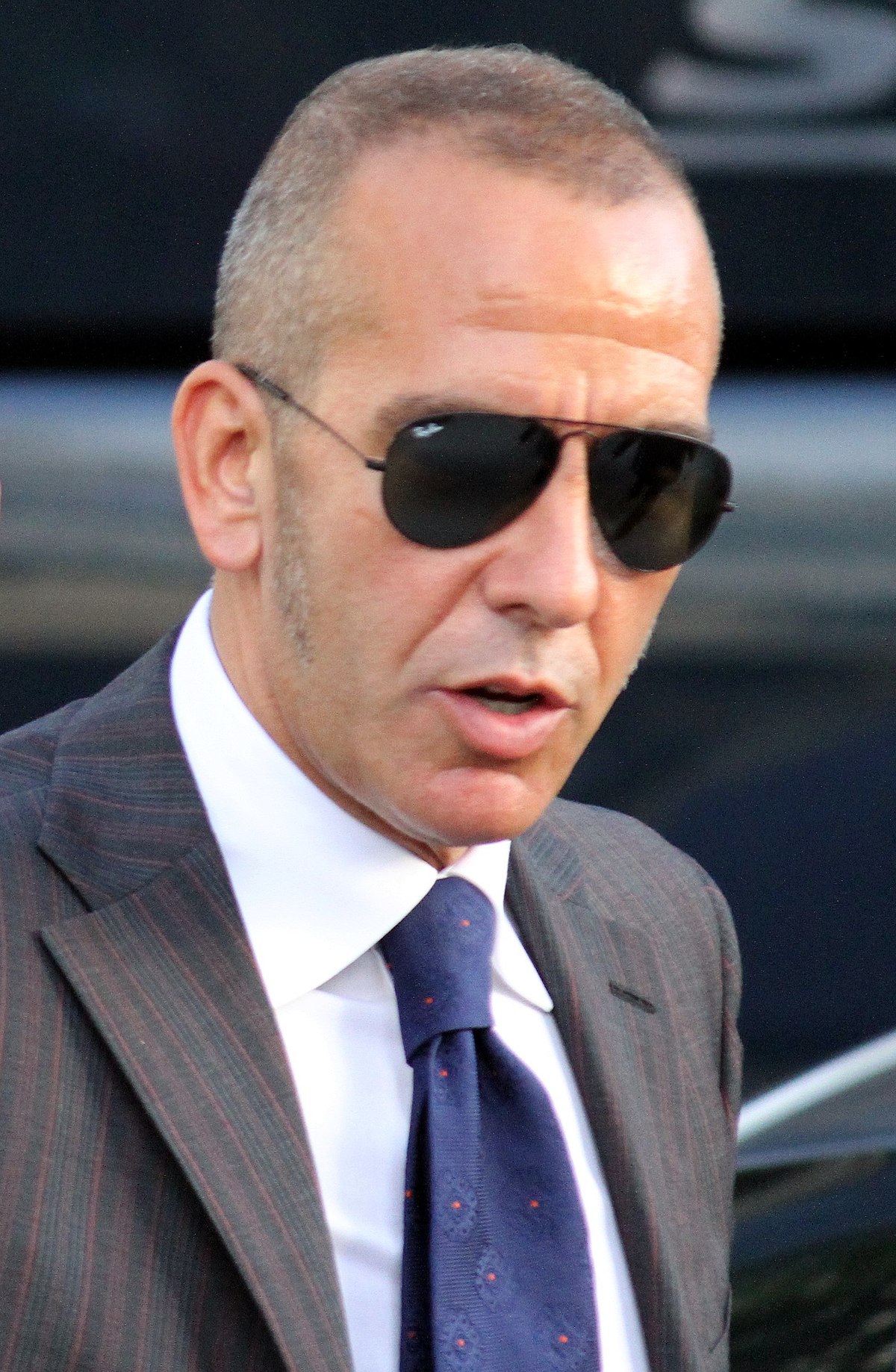
Paolo Di Canio, born on July 9, 1968, in Rome, Italy, is one of the most polarizing and captivating figures in the history of football. Known for his extraordinary talent on the pitch as well as his controversial personality off it, Di Canio’s career has been marked by moments of brilliance and incidents that have sparked global debate. This article provides an in-depth look into the life and career of Paolo Di Canio, exploring his rise to fame, significant milestones, and the complexities that have defined his journey. We will also delve into the historical context of his career, ensuring that this piece adheres to SEO best practices, including keyword density and relevant search intent keywords.
Early Life and Beginnings in Football
Paolo Di Canio grew up in the Quarticciolo neighborhood, a working-class area on the outskirts of Rome. This neighborhood was predominantly filled with AS Roma supporters, yet Di Canio, ever the rebel, chose to support Lazio, the city’s other major football club. This choice was the first indication of the nonconformist attitude that would come to define him both as a player and a person.
Di Canio’s early footballing talent was apparent, and by the age of 14, he had joined Lazio’s youth academy. Despite his undeniable skill, he was known for being difficult to manage, a trait that would follow him throughout his career. Even as a young player, Di Canio’s passion for Lazio ran deep, and he often joined the club’s hardcore supporters, the “Irriducibili,” on away trips—a reflection of his deep connection to the club and its fanbase.
Early Career and Breakthrough at Lazio
Paolo Di Canio’s professional career began with Lazio, where he quickly made a name for himself as a talented and fiery midfielder. His debut came on October 9, 1988, and he soon earned a place in the first team. Di Canio’s breakthrough moment came on January 15, 1989, when he scored the decisive goal in the Rome Derby against AS Roma, etching his name into Lazio’s history.
Di Canio’s performances with Lazio earned him a spot in Italy’s Under-21 national team, further highlighting his growing reputation. However, despite his success, Lazio, struggling financially, was forced to sell him in 1990. Di Canio’s departure was met with disappointment from fans, but it opened the door for the next phase of his career.
Juventus and the Move to Serie A Giants
In 1990, Paolo Di Canio joined Juventus, one of Italy’s most successful and prestigious football clubs. At Juventus, he played alongside footballing legends such as Roberto Baggio, Gianluca Vialli, and Andreas Möller. Despite being surrounded by such talent, Di Canio found it challenging to secure a regular place in the starting lineup. His fiery temperament also clashed with the disciplined approach of the team’s manager, Giovanni Trapattoni.
Nevertheless, Di Canio was part of the Juventus squad that won the UEFA Cup in 1993, although his contributions were limited due to his role as a substitute. Frustrated with his lack of playing time and a fallout with Trapattoni, Di Canio sought a move away from Turin.
Napoli and Rebuilding a Career
In the summer of 1993, Paolo Di Canio was loaned to Napoli, where he found a more consistent role and the opportunity to express his talents on the field. Napoli was a club in transition after the departure of Diego Maradona, and Di Canio was brought in to help fill the void left by the legendary Argentine. During his time at Napoli, Di Canio made 26 appearances and scored five goals, earning a spot in the Serie A Team of the Year.
Despite his success at Napoli, Di Canio was unwilling to return to Juventus, and in 1994, he moved to AC Milan. His time at Milan was marked by both success and controversy. Di Canio helped Milan win the Serie A title in 1996 and the UEFA Super Cup, but his relationship with manager Fabio Capello was fraught with tension. The two had several confrontations, and by the summer of 1996, Di Canio decided to leave Italy altogether.
Moving Abroad: Celtic and the Scottish Adventure
Paolo Di Canio’s next destination was Scotland, where he signed with Celtic in 1996. This move was significant, as it marked the beginning of Di Canio’s career outside of Italy. His time at Celtic was brief but impactful. In just one season, Di Canio became a fan favorite, known for his technical ability, flair, and fiery personality. His performances on the pitch were outstanding, and he was voted the Scottish Player of the Year.
Despite his success at Celtic, Di Canio’s relationship with the club’s management soured over contractual disputes, leading to his departure from Scotland after just one season. However, his time at Celtic had reignited his passion for the game, and he was ready for a new challenge—this time in England.
English Premier League: The Rise, Fall, and Redemption
In 1997, Paolo Di Canio moved to England, signing with Sheffield Wednesday. His arrival in the Premier League marked a new chapter in his career, where he would achieve both infamy and adulation. Di Canio quickly became one of the standout players in the league, known for his creativity, goalscoring ability, and unpredictable temperament.
However, Di Canio’s time at Sheffield Wednesday is often remembered for a controversial incident in September 1998. During a match against Arsenal, Di Canio, frustrated with a referee’s decision, pushed the referee, Paul Alcock, to the ground. The incident shocked the football world, and Di Canio was handed an 11-match ban and fined. This moment of madness led to his departure from Sheffield Wednesday, and many thought it might spell the end of his career in England.
But Di Canio’s story was far from over. In January 1999, he was signed by West Ham United, a move that would lead to one of the most memorable periods of his career. At West Ham, Di Canio found a club that embraced his passion and flair. He quickly became a fan favorite and was instrumental in some of the club’s most famous victories.
One of Di Canio’s most iconic moments came in March 2000, when he won the FIFA Fair Play Award. During a match against Everton, with the opposition goalkeeper down injured, Di Canio caught the ball instead of taking advantage and scoring into an empty net. This act of sportsmanship was celebrated worldwide and showed a different side of the often controversial player.
Later Career and Return to Lazio
After several successful seasons at West Ham, Paolo Di Canio moved to Charlton Athletic in 2003, where he spent one season before making an emotional return to Lazio in 2004. His return to Lazio was a dream come true for Di Canio, who had always maintained a deep connection with the club and its supporters.
Despite being in the twilight of his career, Di Canio continued to make an impact at Lazio. However, his return was also marked by controversy. Di Canio was frequently in the news for his political views and his controversial celebrations, including the infamous Roman salute, which drew widespread criticism and led to fines and suspensions.
Di Canio’s time at Lazio came to an end in 2006, and after a brief stint with Cisco Roma in Serie C2, he retired from professional football in 2008. His retirement marked the end of a career that was as tumultuous as it was brilliant.
Coaching and Life After Football
Following his retirement, Paolo Di Canio transitioned into coaching. In 2011, he took his first managerial role with Swindon Town in England. Di Canio’s time at Swindon was marked by both success and controversy. He led the club to promotion from League Two in his first season but was also involved in several high-profile disputes, including a much-publicized confrontation with one of his players.
In 2013, Di Canio was appointed manager of Sunderland in the Premier League. His tenure at Sunderland was short-lived but memorable. He managed to steer the club away from relegation with a famous victory over Newcastle United, but his tenure was cut short after disagreements with the club’s hierarchy and reports of player unrest.
Since his time at Sunderland, Di Canio has remained involved in football as a pundit and commentator, where he continues to share his often controversial views on the game.
Legacy and Impact
Paolo Di Canio’s legacy in football is complex. He is remembered as a player of extraordinary talent, capable of moments of sheer brilliance on the pitch. His technical skills, creativity, and passion made him a fan favorite wherever he played. However, his career was also marked by controversy, including his political views and several incidents of indiscipline.
Despite the controversies, Di Canio’s contributions to the clubs he played for, particularly Lazio and West Ham, have left a lasting impact. His passion for the game, combined with his outspoken nature, ensured that he was never far from the headlines.
Conclusion: The Enigma of Paolo Di Canio
Paolo Di Canio is a footballing enigma—a player whose career was as much about his off-field persona as his on-field exploits. His journey from the streets of Rome to the football pitches of Europe is a story of talent, passion, controversy, and redemption. Di Canio’s life and career continue to fascinate football fans and serve as a reminder of the thin line between genius and madness in the world of sports.
As we look back on his career, it is clear that Paolo Di Canio will be remembered not only for his footballing achievements but also for the complex and often contradictory character that made him one of the most intriguing figures in football history.


