
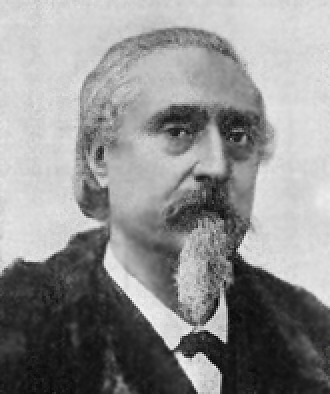
Paolo Mantegazza, born on October 31, 1831, in Monza, Italy, was a multifaceted figure whose contributions spanned the fields of medicine, anthropology, and literature. Mantegazza’s life is a rich tapestry woven with groundbreaking scientific research, passionate advocacy for health and social issues, and an unyielding curiosity about the human condition. This article provides a comprehensive look at Mantegazza’s life, exploring his age, fame, and key life highlights.
Early Life and Education
Paolo Mantegazza was born into a family deeply involved in the political and social movements of the time. His mother, Laura Solera Mantegazza, was a prominent activist who played a significant role in the Italian unification movement, notably participating in the Five Days of Milan in 1848. This environment of activism and intellectualism undoubtedly influenced Mantegazza’s development and interests.
Mantegazza pursued his education in medicine at the University of Pavia, where he graduated in 1854 at the age of 23. His academic journey was marked by a strong interest in the intersection of medicine, natural sciences, and human behavior. After completing his studies, Mantegazza traveled to South America, where he expanded his medical knowledge and developed a keen interest in the indigenous cultures and the effects of local plants, such as coca leaves, on human physiology.
The Birth of a Scientific Pioneer
Mantegazza’s time in South America was transformative. His observations of the indigenous use of coca leaves led to his pioneering research on the effects of coca on the human body. In 1859, he published a groundbreaking paper titled “Sulle virtù igieniche e medicinali della coca e sugli alimenti nervosi in generale” (“On the Hygienic and Medicinal Virtues of Coca and Nervous Stimulants in General”). This work not only highlighted the potential therapeutic uses of coca but also laid the foundation for future research into psychoactive substances.
Mantegazza’s research was ahead of its time, exploring the physiological and psychological effects of various substances, including what he termed “nervous stimulants” like coffee, tea, mate, guarana, tobacco, opium, hashish, and even cocaine. His work in this area was revolutionary, making him one of the earliest scientists to systematically study the effects of drugs on the human nervous system.
Academic and Professional Achievements
Upon his return to Italy, Mantegazza’s scientific career flourished. In 1860, he was appointed to the chair of general pathology at the University of Pavia, where he founded the first European laboratory of experimental pathology. His work in this laboratory was characterized by a commitment to rigorous scientific experimentation and a deep curiosity about the human body and mind.
In 1869, Mantegazza made another significant contribution to science by founding the first chair of anthropology in Italy at the University of Florence. He also established the National Museum of Anthropology and Ethnology in Florence, which became a leading institution for the study of human cultures. His interest in anthropology was closely linked to his support for Charles Darwin’s theories of evolution, particularly in areas like sexual selection and atavism—the reappearance of ancestral traits in individuals.
Mantegazza’s contributions to anthropology were not limited to his academic work. He co-founded the “Archivio per l’Antropologia e l’Etnologia” (Anthropology and Ethnology Archive) and the Italian Society of Anthropology and Ethnology. These institutions played a crucial role in advancing the study of human cultures and the application of evolutionary theory to the understanding of human behavior.
Political Involvement and Social Advocacy
Mantegazza’s intellectual pursuits were paralleled by a strong commitment to social and political causes. Inspired by his mother’s activism, he remained actively involved in the political life of the newly formed Kingdom of Italy. From 1865 to 1876, he served as a deputy in the Italian parliament, advocating for public health and social reform. Later, he was appointed as a senator, where he continued to champion issues related to public health and education.
Mantegazza’s political work was deeply intertwined with his scientific endeavors. He was a vocal advocate for the application of scientific knowledge to improve public health, particularly in the areas of hygiene and the treatment of mental illness. His work in this area was groundbreaking, as he pushed for reforms that would bring modern medical practices into public health policy.
Exploration of Human Emotions and Neurophysiology
One of the most fascinating aspects of Mantegazza’s work was his exploration of human emotions and the physiology of the nervous system. He was particularly interested in the physiological underpinnings of pain, pleasure, and other emotional states. His writings on these topics, such as “Fisiologia del Dolore” (The Physiology of Pain, 1880), “Fisiologia del Piacere” (The Physiology of Pleasure, 1877), and “Le Estasi Umane” (Human Ecstasies, 1887), were pioneering works in the field of neurophysiology.
Mantegazza approached these topics with a unique blend of scientific rigor and literary flair. His descriptions of human emotions were often poetic, and he used vivid metaphors to convey the complexity of the human experience. This literary quality made his scientific works accessible to a broader audience and helped to popularize his ideas.
Mantegazza believed that the study of human emotions was not just an academic pursuit but also a way to improve human well-being. He argued that understanding the physiological basis of emotions could lead to better treatment of mental illness and a deeper appreciation of the richness of human life.
Literary Contributions and Popularization of Science
In addition to his scientific work, Mantegazza was a prolific writer and a master of popularizing science. He wrote numerous essays, articles, and books that aimed to make complex scientific ideas accessible to the general public. His literary style was engaging and often included anecdotes, personal reflections, and imaginative scenarios that captured the reader’s interest.
One of Mantegazza’s most famous works is “Fisiologia del Piacere,” where he explored the various sources of pleasure in human life, from the physical to the intellectual and emotional. This book was a bestseller in its time and is still considered a classic in the field of psychology and physiology. Through works like this, Mantegazza sought to bridge the gap between science and everyday life, showing how scientific knowledge could enrich the human experience.
Later Life and Legacy
Mantegazza’s later years were marked by continued intellectual activity and travel. From 1870 to 1890, he undertook several journeys to various regions, including parts of South America that were still relatively unexplored by Europeans. These travels deepened his understanding of human cultures and further informed his anthropological work.
Mantegazza passed away on August 28, 1910, in San Terenzo, a small village in the province of La Spezia, Italy, at the age of 78. His death marked the end of a remarkable life that had been dedicated to the pursuit of knowledge and the betterment of humanity.
Mantegazza’s legacy is profound. He was a pioneer in multiple fields, including medicine, anthropology, neurophysiology, and the study of human emotions. His interdisciplinary approach to science, combining rigorous research with a deep curiosity about the human condition, set a standard for future generations of scientists and thinkers. Moreover, his ability to communicate complex ideas in an accessible and engaging way ensured that his work reached a wide audience and had a lasting impact on both scientific and popular culture.
Honors and Recognition
Throughout his life, Paolo Mantegazza received numerous honors and recognition for his contributions to science and society. His work was celebrated not only in Italy but also internationally, particularly in South America, where his research had a significant impact. Mantegazza’s pioneering efforts in the study of drugs, human emotions, and the application of evolutionary theory to anthropology have left an indelible mark on the fields he touched.
His contributions to the understanding of psychoactive substances, human physiology, and anthropology were ahead of his time, and many of his ideas laid the groundwork for future research in these areas. Mantegazza’s interdisciplinary approach to science and his commitment to improving human health and well-being remain relevant today, inspiring new generations of researchers and thinkers.
Conclusion
Paolo Mantegazza was a true Renaissance man, whose work spanned multiple disciplines and whose impact is still felt today. From his pioneering research on coca leaves and other psychoactive substances to his exploration of human emotions and his contributions to anthropology, Mantegazza was a visionary who saw the connections between different fields of knowledge and used those connections to push the boundaries of what was possible in science and medicine.
Mantegazza’s life story is a testament to the power of curiosity, innovation, and the relentless pursuit of knowledge. His work not only advanced scientific understanding but also made a lasting impact on society, influencing public health policies and enriching the intellectual and cultural life of his time. Today, Paolo Mantegazza is remembered as one of the great figures of 19th-century science, a man whose legacy continues to inspire and challenge us to explore the depths of the human experience.


