
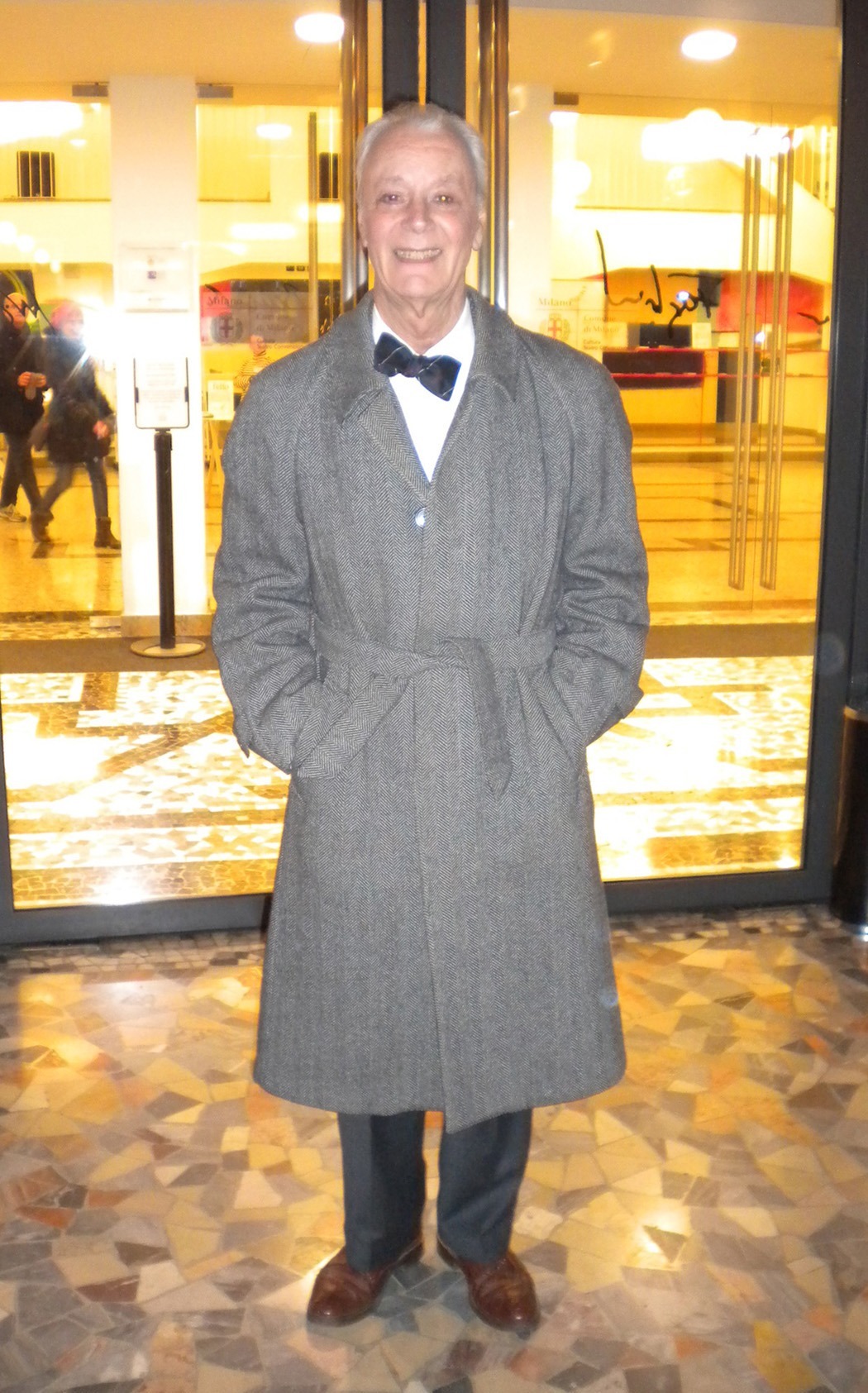
Paolo Poli, born on May 23, 1929, in Florence, Italy, was a renowned Italian actor, comedian, and director known for his unique style and contributions to Italian theater and television. His career spanned several decades, and he left a lasting impact on the arts through his performances, direction, and distinctive approach to comedy and storytelling. This article delves into the life of Paolo Poli, exploring his age, rise to fame, and the highlights of his illustrious career.
Early Life and Education
Paolo Poli’s early years were marked by an environment rich in culture and education. He grew up in Florence, a city known for its artistic heritage, which undoubtedly influenced his later work. Poli pursued higher education, earning a degree in French Literature. His thesis focused on Henry Becque, a significant figure in French drama, which showcased Poli’s deep interest in literature and the performing arts.
The Beginnings of a Remarkable Career
Poli’s career in the arts began in the late 1940s when he was just twenty years old. He started by participating in various radio programs on Rai Florence, where he showcased his talent through skits, fairy tales, songs, and prose. This period was crucial in honing his skills and setting the stage for his future endeavors.
In 1949, the same year he began his university studies, Poli started to gain attention as an emerging talent. He balanced his academic pursuits with his burgeoning career, managing to complete his degree while continuing to perform. During this time, he also lent his voice to puppet shows, bringing to life characters such as witches, knights, and princesses. His work with the puppet master Stac and the “Compagnia dell’Alberello” introduced him to the world of theater, where he began to make a name for himself.
Rise to Fame in Italian Theater
The 1950s marked a significant period in Paolo Poli’s career as he transitioned from radio to the theater. His early performances in small theaters across Italy were met with increasing acclaim. A pivotal moment came when Poli moved to Rome, carrying with him a portfolio of photographs taken by his friend and fellow Florentine, Franco Zeffirelli. This move opened doors for Poli in the Italian theater scene, where he quickly established himself as a versatile and talented actor.
In 1958, Poli’s career took another leap forward when he joined “La Borsa di Arlecchino,” a small avant-garde theater in Genoa. This venue, known for its innovative and experimental performances, was the perfect fit for Poli’s style. His performances were characterized by sharp wit, irony, and a unique blend of poetic and surreal elements. Poli’s ability to infuse comedy with deeper, more complex themes set him apart from his contemporaries.
Television Success and Cross-Dressing Roles
As his fame grew, Paolo Poli expanded his repertoire to include television. During the early 1960s, he became a household name through his appearances in various TV shows and dramas. One of his most notable television roles was as the reader of children’s tales, where he brought to life stories from Aesop and other literary classics. His ability to engage with both children and adults through these performances further cemented his status as a beloved entertainer.
Poli was also known for his bold choice to play female roles in his performances, a decision that was both revolutionary and controversial at the time. Openly homosexual, Poli was one of the few Italian actors of his era who did not hide his sexual orientation. His cross-dressing roles were not just a form of entertainment but also a statement that challenged societal norms and conventions.
Directorial Ventures and Theatrical Innovations
In addition to his work as an actor, Paolo Poli was also an accomplished director. He directed several theatrical productions, many of which he starred in as well. His directorial style was marked by a keen sense of satire, parody, and a deep understanding of the human condition. Some of his most famous productions include “Aldino mi cali un filino,” “Rita da Cascia” (1967), “Caterina De Medici” (1999), “L’asino d’oro” (1996), “I viaggi di Gulliver” (1998), and “La leggenda di San Gregorio.”
Poli’s works often explored themes of identity, gender, and societal expectations, blending humor with poignant commentary. His ability to weave complex narratives with light-hearted humor made his productions both entertaining and thought-provoking.
Later Years and Continued Impact
Even as he aged, Paolo Poli remained active in the theater world. In 2009, at the age of 80, he starred in “Sillabari,” a play based on the stories of Goffredo Parise. The following year, he performed in “Il Mare,” inspired by the works of Anna Maria Ortese. These later performances demonstrated Poli’s enduring passion for the arts and his ability to adapt to new forms of storytelling.
Poli also contributed to the world of audiobooks, lending his voice to several productions, including a rendition of Carlo Collodi’s “Pinocchio.” His recordings were highly regarded, further showcasing his versatility as a performer.
Legacy and Death
Paolo Poli’s career spanned over six decades, during which he performed in more than forty theatrical productions. His work was characterized by a unique blend of satire, melancholy, and playful absurdity. He was a master of parody and cabaret, and his performances often blurred the lines between reality and fantasy.
In 2014, Poli retired from the stage, marking the end of an era in Italian theater. His contributions to the arts were recognized and celebrated by both critics and audiences alike. Paolo Poli passed away on March 25, 2016, at the age of 85, leaving behind a legacy that continues to inspire and influence the world of theater and performance.
Historical Context and Influence
Paolo Poli’s work must be understood within the broader context of post-war Italy, a period marked by significant social and cultural changes. The 1950s and 1960s were decades of economic growth, but also of social upheaval, as Italy grappled with the challenges of modernity. Poli’s performances often reflected these tensions, using humor and satire to critique the status quo.
His decision to openly embrace his homosexuality and portray cross-dressing characters was particularly bold in a society that was still largely conservative. Poli’s work can be seen as part of a broader movement of artists and intellectuals who sought to challenge traditional norms and push the boundaries of what was considered acceptable in art and society.
Conclusion
Paolo Poli was more than just an actor; he was a pioneer, a provocateur, and a master storyteller. His work continues to resonate with audiences, reminding us of the power of humor, satire, and theater to challenge conventions and inspire change. Through his performances, Poli left an indelible mark on Italian culture, and his legacy continues to influence new generations of performers and directors.
As we reflect on Paolo Poli’s life and career, it is clear that his contributions to the arts were both significant and enduring. He remains a towering figure in the history of Italian theater, a testament to the enduring power of creativity and individuality.


