
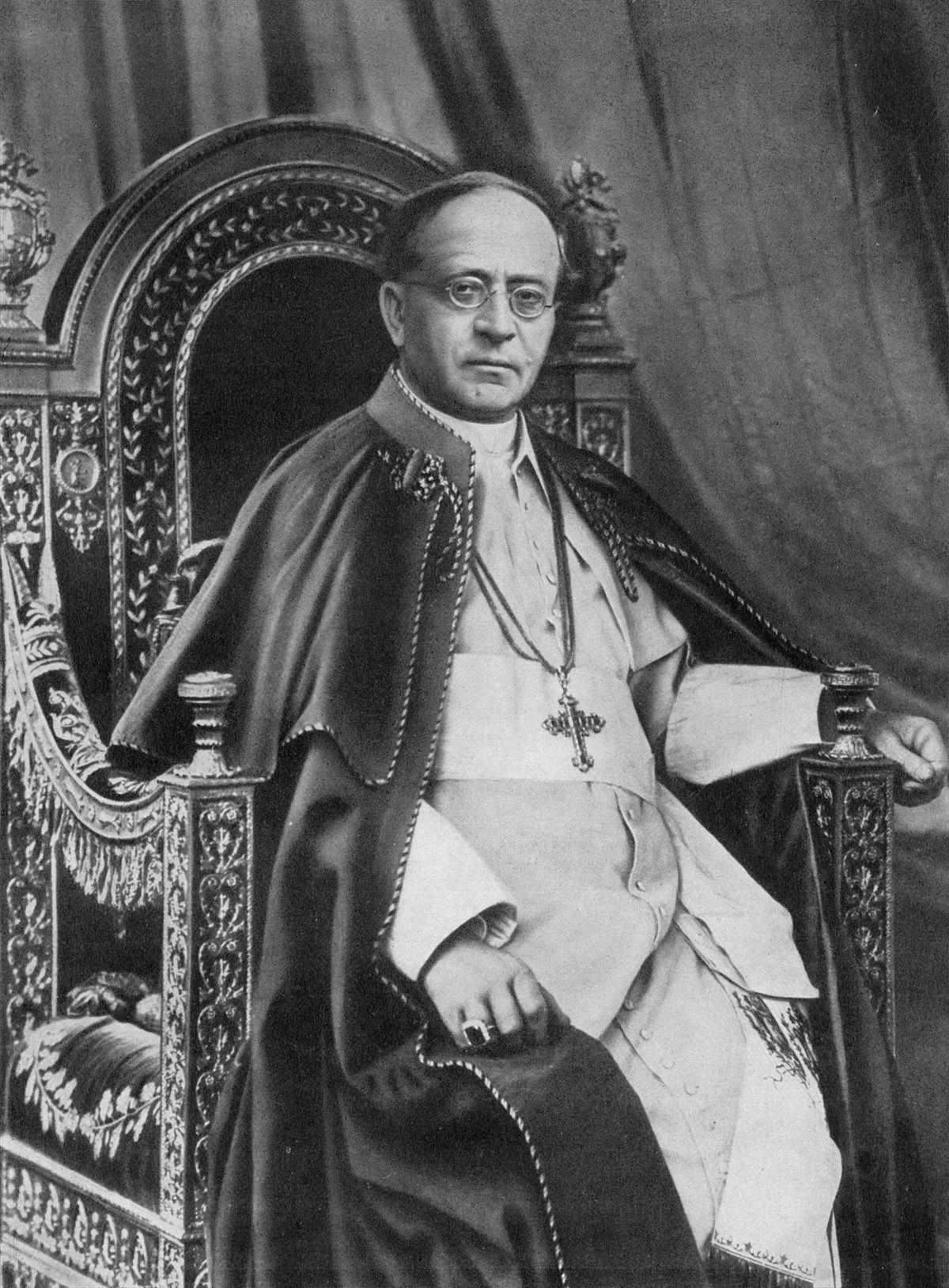
Papa Pio XI, born Achille Ratti on May 31, 1857, in Desio, Italy, and reigning as Pope from 1922 to 1939, is a pivotal figure in the history of the Catholic Church. His papacy, marked by significant historical events and profound influence on the Church’s role in modern society, provides a fascinating study of ecclesiastical leadership during a tumultuous period. This comprehensive overview explores his life, accomplishments, and enduring legacy.
Early Life and Education
Achille Ratti was born into a modest family in Desio, a small town near Milan. He was the son of a tradesman and received his early education at the local school. His academic journey took him to the prestigious seminaries of Milan, where he pursued philosophy and theology. In 1880, he was ordained as a priest, and his early ecclesiastical career saw him working in various capacities, including teaching and pastoral work.
Ratti’s intellectual prowess and commitment to the Church led him to further studies in Rome, where he was involved in the Vatican Library’s work. His expertise in ecclesiastical history and archaeology gained him recognition, and he became known for his scholarship and dedication to preserving the Church’s historical documents and artifacts.
Papal Ascension
In 1922, following the death of Pope Benedict XV, Achille Ratti was elected as the 259th Pope of the Roman Catholic Church, taking the name Pius XI. His election was seen as a move to address the challenges facing the Church in a rapidly changing world. Pius XI’s papacy began at a time when Europe was experiencing political upheavals, including the rise of totalitarian regimes and the aftermath of World War I.
Pope Pius XI’s papacy was characterized by a commitment to addressing modern issues while upholding traditional Catholic values. His leadership was instrumental in shaping the Church’s response to political and social changes during the early 20th century.
Key Papal Initiatives
One of Pope Pius XI’s most significant achievements was the Lateran Treaty, signed in 1929 with the Kingdom of Italy under Benito Mussolini. This treaty established Vatican City as an independent sovereign state and resolved the “Roman Question” that had lingered since the unification of Italy. The Lateran Treaty was a crucial diplomatic achievement, restoring the Church’s temporal sovereignty and improving relations between the Holy See and the Italian government.
In addition to the Lateran Treaty, Pope Pius XI was known for his efforts to address the rise of fascism and totalitarianism. His encyclicals, such as “Quadragesimo Anno” (1931), condemned the excesses of capitalism and socialism, advocating for a just social order that respected human dignity. Pius XI’s encyclical “Mit Brennender Sorge” (1937) denounced Nazi ideologies and their violation of human rights, reflecting his commitment to opposing totalitarian regimes.
Relations with Fascist and Totalitarian Regimes
Pope Pius XI’s relations with fascist regimes, particularly Mussolini’s Italy and Hitler’s Germany, were complex. While the Lateran Treaty with Italy was a significant diplomatic success, it did not prevent Pius XI from criticizing aspects of Mussolini’s regime. The Pope’s encyclical “Non Abbiamo Bisogno” (1931) criticized the regime’s policies on various social issues.
Pius XI’s relationship with Nazi Germany was even more strained. His encyclical “Mit Brennender Sorge” was a courageous stand against Nazi anti-Semitism and totalitarianism. Despite these efforts, the Vatican’s ability to confront Nazi Germany was limited, and the complexities of international diplomacy often constrained the Pope’s actions.
Social and Religious Reforms
Pope Pius XI was also known for his efforts to modernize the Church’s approach to social issues and religious practices. His encyclical “Divini Redemptoris” (1937) condemned communism and its anti-religious stance, while “Casti Connubii” (1930) addressed the sanctity of marriage and family life. Pius XI’s papacy saw a renewed emphasis on Catholic social teaching, aiming to address contemporary issues through the lens of traditional Church doctrine.
Additionally, Pope Pius XI promoted the cause of Catholic education and the establishment of Catholic universities. He believed that the Church needed to engage with modern education systems to effectively communicate its teachings and influence future generations.
The Later Years and Legacy
Pope Pius XI’s final years were marked by health challenges and the increasing complexities of global politics. His papacy ended with his death on February 10, 1939. Pius XI was succeeded by Pope Pius XII, who continued to navigate the challenges of World War II and the changing geopolitical landscape.
Pope Pius XI’s legacy is a blend of diplomatic achievements, social reforms, and ecclesiastical leadership. His papacy is remembered for its efforts to address the moral and social issues of the time while striving to uphold the Church’s traditional values. The Lateran Treaty remains a significant achievement in Vatican diplomacy, and Pius XI’s encyclicals continue to be studied for their insights into early 20th-century social and political issues.
Historical Context and Impact
The historical context of Pope Pius XI’s papacy was marked by significant political and social upheaval. The rise of totalitarian regimes, the aftermath of World War I, and the economic challenges of the Great Depression all influenced the Church’s role and the Pope’s decisions. Pius XI’s efforts to navigate these challenges reflect the broader struggle of the Church to maintain its influence and moral authority in a rapidly changing world.
Pope Pius XI’s impact extends beyond his papacy, influencing the Catholic Church’s approach to social justice, diplomacy, and religious education. His efforts to address modern issues while upholding traditional values provide valuable lessons for contemporary religious and political leaders.
Conclusion
Pope Pius XI’s life and papacy represent a critical chapter in the history of the Catholic Church. His leadership during a period of profound change and challenge underscores his role as a key figure in modern Church history. Through his diplomatic achievements, social reforms, and theological contributions, Pope Pius XI left a lasting legacy that continues to shape the Church’s approach to contemporary issues.
As we reflect on his life and achievements, it is clear that Pope Pius XI’s impact extends beyond his time, influencing the Church’s role in the modern world and providing valuable insights into the interplay between religion and politics.


