
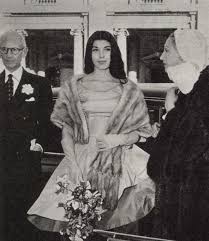
Patrizia De Blanck, born on November 9, 1940, in Rome, Italy, is a well-known Italian socialite, television personality, and aristocrat. With her noble heritage, striking personality, and candid demeanor, De Blanck has become one of the most recognizable figures in Italian television. Her life story is a blend of aristocratic privilege, public scandals, and a transition into the world of media, where she has left an indelible mark as a reality TV star and opinion leader.
Early Life and Noble Heritage
Patrizia De Blanck was born into a family with deep aristocratic roots. Her mother, Lloyd Dario, was the last descendant of a noble Venetian family that owned the famous Ca’ Dario, a historic palace in Venice. Her father, Guillermo De Blanck y Menocal, was a Cuban ambassador and a cousin of Mario Garcia Menocal, the third President of Cuba. This connection placed Patrizia De Blanck within an influential network of Latin American and European nobility.
De Blanck’s full name, Contessa Patrizia De Blanck y Menocal, reflects her distinguished lineage, which combines the prestige of her Italian and Cuban heritage. Growing up in such a family, Patrizia was exposed to the aristocratic lifestyle, which included interactions with prominent figures from various spheres of influence. Despite this privileged background, her life would take many unexpected turns, leading her into the public eye for reasons beyond her noble title.
A Glimpse into the World of Television
Patrizia De Blanck’s foray into the world of television began in the late 1950s. In 1958, she made her television debut on the popular Italian show Il Musichiere, hosted by Mario Riva. As one of the show’s “vallette” (female assistants), she quickly gained attention for her beauty and charm. However, after this initial exposure, De Blanck stepped away from the spotlight to focus on her personal life, which included marriage and motherhood.
Her first marriage was to British baronet Anthony Leigh Milner in 1960, a union that was short-lived. The marriage ended in scandal when De Blanck caught her husband in an adulterous affair with his best friend. This personal experience of betrayal and public scandal would later color her candid and often irreverent commentary on relationships and society.
Return to Television and Rise to Fame
Patrizia De Blanck returned to the television scene in the early 2000s, and this time, she would establish herself as a prominent figure in Italian media. In 2002, she appeared on the show Chiambretti c’è, hosted by Piero Chiambretti, marking her re-entry into the entertainment industry. Her witty and often biting commentary made her a popular guest, and she quickly became a fixture on Italian television.
The following year, De Blanck became a regular guest on Domenica In, a popular Sunday variety show hosted by Paolo Bonolis. Her role as a television personality was further solidified when she participated as a contestant in the reality show Il Ristorante on Rai Uno in 2004. These appearances showcased her sharp wit, strong opinions, and a personality that could both charm and provoke, making her a favorite among viewers.
Radio and Reality TV: Expanding Her Media Presence
In 2006, Patrizia De Blanck expanded her media presence by venturing into radio. She joined the program Il ComunicAttivo, hosted by Igor Righetti on Radio 1. In this show, De Blanck hosted a segment titled La classe non è acqua, trasgredire con bon ton, where she provided etiquette advice with her characteristic blend of humor and irreverence. This segment allowed her to connect with a different audience and showcased her versatility as a media personality.
De Blanck’s popularity reached new heights when she participated in the sixth season of the reality show L’Isola dei Famosi in 2008. Her time on the show was marked by her outspoken nature and her ability to connect with both fellow contestants and the audience. Although she was eliminated in the semifinals, her presence on the show left a lasting impression, and she gained a new level of fame as a reality TV star.
That same year, she published her autobiography, A letto col diavolo (In Bed with the Devil), which provided an intimate look into her life, relationships, and the challenges she faced as a public figure. The book was well-received, further cementing her status as a bold and unapologetic personality in Italian pop culture.
Film Appearances and Continued Media Influence
In addition to her television and radio work, Patrizia De Blanck made her mark in cinema. In 2011, she appeared in the film Vacanze di Natale a Cortina, a popular Italian holiday movie. She played herself in the film, alongside her daughter, Giada De Blanck. The film’s success added to her popularity, and her portrayal of herself in a comedic context resonated with audiences, who appreciated her willingness to poke fun at her own public persona.
De Blanck’s influence continued to grow, and in 2020, she was announced as a contestant on the fifth season of Grande Fratello VIP (Big Brother VIP), one of Italy’s most-watched reality shows. Hosted by Alfonso Signorini, the show offered De Blanck a platform to connect with a younger audience and to reassert her relevance in the ever-evolving world of Italian entertainment.
Personal Life and Relationships
Patrizia De Blanck’s personal life has been as colorful and eventful as her public career. After her brief and tumultuous first marriage to Anthony Leigh Milner, she married Giuseppe Drommi, a Panamanian consul, in 1981. The couple had a daughter, Giada De Blanck, who has also become a well-known television personality in Italy. Drommi’s death in 1999 was a significant loss for De Blanck, and she has spoken publicly about the challenges she faced as a single mother and widow.
Throughout her life, De Blanck has been linked romantically to several prominent figures. She has candidly discussed her past relationships with various celebrities, including actors Alberto Sordi and Franco Califano, singer Yves Montand, and American actor Warren Beatty. Other rumored relationships include liaisons with Alessandro Onassis, Mohamed Al-Fayed, Walter Chiari, and Raul Gardini. One of her most notable romances was with Farouk Chourbagi, an Egyptian billionaire who was tragically murdered in Rome by a jealous ex-lover.
In 2005, De Blanck made headlines when she revealed that she might be the illegitimate daughter of Asvero Gravelli, a prominent figure in Italy’s fascist movement. This revelation added another layer of intrigue to her already complex family history and further fueled public interest in her life.
Financial Challenges and Resilience
Despite her aristocratic background, Patrizia De Blanck has faced significant financial challenges over the years. Her father, Guillermo De Blanck, experienced substantial financial losses due to political conflicts with Fidel Castro, which resulted in the family losing much of their overseas wealth. These financial difficulties were compounded by the economic downturn of the early 2000s, which forced De Blanck to adjust her lifestyle and reassess her financial situation.
However, De Blanck’s resilience has been a defining characteristic of her life. She has consistently found ways to reinvent herself and maintain her relevance in the public eye, whether through television appearances, book publications, or participation in reality shows. Her ability to navigate both personal and financial challenges with grace and humor has endeared her to the Italian public.
The Legacy of the “Contessa del Popolo”
Patrizia De Blanck has often referred to herself as the “Contessa del Popolo” (Countess of the People), a title that reflects her unique blend of nobility and approachability. Despite her aristocratic lineage, De Blanck has cultivated an image of someone who is both part of the elite and connected to the everyday experiences of ordinary people. Her candidness, wit, and willingness to engage with the public on a personal level have made her a beloved figure in Italian culture.
Her legacy extends beyond her television appearances and media presence. De Blanck represents a bridge between the old world of European aristocracy and the modern era of media and entertainment. She has successfully navigated the transition from a life of privilege to a public career that has spanned decades, all while maintaining her distinctive personality and style.
Conclusion
Patrizia De Blanck’s life is a testament to her ability to adapt and thrive in the ever-changing landscape of Italian media and society. From her noble beginnings to her rise as a television personality, De Blanck has consistently defied expectations and carved out a space for herself in the public eye. Her story is one of resilience, reinvention, and a refusal to be constrained by the traditional roles assigned to her by her background.
As a “Contessa del Popolo,” De Blanck has remained true to herself while engaging with the public in a way that few aristocrats have managed to do. Her life and career continue to inspire and entertain, making her a lasting figure in Italian pop culture. Whether through her television appearances, her autobiography, or her candid revelations about her personal life, Patrizia De Blanck has left an indelible mark on the Italian public consciousness.


