
Introduction
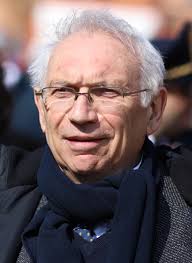
Patrizio Bianchi is a renowned Italian economist, academic, and public servant who has significantly impacted Italy’s education system and economic policy. Born on May 28, 1952, in Copparo, a small town in the province of Ferrara, Bianchi’s career has been marked by a deep commitment to education, research, and public service. His role as Minister of Education in Mario Draghi’s government brought him national recognition during a critical period in Italy’s history. This article explores Patrizio Bianchi’s life, achievements, and contributions to academia and public administration, providing a comprehensive overview of his journey from a small town in Italy to the corridors of power.
Early Life and Academic Foundations
Patrizio Bianchi was born and raised in Copparo, a town in Italy’s Emilia-Romagna region. Growing up in a region known for its strong industrial base and agricultural productivity, Bianchi was exposed early to the dynamics of economic development and social progress. His interest in these areas led him to pursue higher education in political science, with a particular focus on economics.
In 1976, Bianchi graduated with honors in Political Science from the University of Bologna, one of the oldest and most prestigious universities in the world. His academic journey didn’t stop there; he furthered his studies at the London School of Economics (LSE), a leading institution in the field of economics and social sciences. Under the mentorship of South African economist Basil Yamey, Bianchi honed his expertise in industrial economics, focusing on price controls and market regulation. His work at LSE laid the groundwork for his first published book on price control in the cement industry, released in 1980 by the Italian publishing house Il Mulino.
The Academic Career: From Researcher to Rector
Bianchi’s academic career officially began in 1980 when he became a researcher at the Faculty of Economics at the University of Trento. His return to his home region in 1982 marked the beginning of his long association with the University of Bologna, where he continued his research and academic work.
In 1986, Bianchi’s growing reputation as a scholar was solidified when he won a competition to become an Associate Professor at the University of Bologna. His work focused on the intersection of economics and policy, particularly in the context of industrial development and economic strategy. By 1994, Bianchi had risen to the rank of Full Professor of Economic Policy, a testament to his contributions to the field and his growing influence in academic circles.
Bianchi’s academic pursuits were not confined to teaching and research alone. In 1997, he moved to the University of Ferrara, where he played a pivotal role in founding the Faculty of Economics in 1998. His leadership and vision culminated in his appointment as Rector of the University of Ferrara in 2004, a position he held until 2010. As Rector, Bianchi was instrumental in expanding the university’s research capabilities and fostering collaborations with other academic institutions and industry partners.
Contributions to Industrial and Economic Policy
Throughout his academic career, Patrizio Bianchi has been deeply involved in the study of industrial economics, regional development, and economic policy. His research has often focused on the challenges and opportunities facing industrial regions, particularly in the context of globalization and technological change.
Bianchi has authored numerous books and articles on these subjects, contributing to the broader understanding of how regions can adapt to economic shifts and leverage their strengths in a competitive global market. His work has been particularly influential in shaping the economic strategies of Italy’s Emilia-Romagna region, which has become a model for regional development in Europe.
The Transition to Public Service
Bianchi’s expertise in economic policy and regional development eventually led him to the realm of public service. His first major political role came when he was appointed as the Regional Minister for Education, Professional Training, University, and Research for the Emilia-Romagna region. Serving under two different presidents, Vasco Errani and Stefano Bonaccini, Bianchi was responsible for shaping the region’s education and training policies during a period of significant economic and social change.
During his tenure, Bianchi focused on improving the quality and accessibility of education, promoting lifelong learning, and fostering stronger connections between educational institutions and the labor market. His work in this area was guided by a belief that education is the cornerstone of economic development and social inclusion. Bianchi’s policies aimed to equip the region’s workforce with the skills needed to thrive in a rapidly changing economy while also addressing the challenges of social inequality.
Bianchi’s appointment as Minister of Education in February 2021 marked a significant moment in his career. He was chosen by Prime Minister Mario Draghi to lead Italy’s education system at a time of unprecedented crisis. The COVID-19 pandemic had disrupted education systems worldwide, and Italy was no exception. Schools and universities were forced to close, and the shift to online learning exposed significant disparities in access to education.
As Minister of Education, Bianchi was tasked with addressing these challenges and ensuring that Italy’s education system could adapt to the new realities brought on by the pandemic. One of his first major initiatives was to develop a comprehensive plan for the safe reopening of schools, which involved coordinating with health authorities, educational institutions, and local governments.
Bianchi also focused on addressing the long-standing issues in Italy’s education system, such as the digital divide, teacher shortages, and the need for curriculum reform. His policies emphasized the importance of investing in digital infrastructure, expanding access to technology for students and teachers, and promoting innovative teaching methods that could better prepare students for the demands of the 21st-century economy.
Educational Philosophy and Vision
Bianchi’s approach to education is deeply rooted in his academic background and his understanding of the role that education plays in economic and social development. He has often emphasized the need for a holistic approach to education, one that goes beyond traditional classroom learning to include vocational training, lifelong learning, and the development of critical thinking skills.
In his writings and public statements, Bianchi has argued that education should be seen as a public good that benefits not only individuals but society as a whole. He believes that a well-educated population is essential for economic growth, social cohesion, and the functioning of democracy. This belief has guided his work both as an academic and as a public servant, and it continues to shape his vision for Italy’s education system.
UNESCO Chair and International Contributions
In addition to his work in Italy, Bianchi has also made significant contributions to international discussions on education and development. He holds a UNESCO Chair in “Education, Growth, and Equality” at the University of Ferrara, where he focuses on the links between education, economic development, and social equity. Through this role, Bianchi has been involved in various international initiatives aimed at promoting access to quality education and addressing global challenges such as poverty, inequality, and climate change.
His work with UNESCO has also provided him with a platform to engage with policymakers and educators from around the world, sharing insights and best practices from his experiences in Italy and contributing to the global discourse on education and development.
Legacy and Impact
Patrizio Bianchi’s career spans several decades, during which he has made lasting contributions to both academia and public policy. His work in industrial economics and regional development has provided valuable insights into how regions can adapt to the challenges of globalization and technological change. As an educator and public servant, Bianchi has been a tireless advocate for the role of education in promoting social and economic development.
His tenure as Minister of Education during one of the most challenging periods in recent history will likely be remembered for his efforts to navigate the complex issues brought on by the COVID-19 pandemic. While the long-term impact of his policies will take time to assess, Bianchi’s commitment to ensuring that Italy’s education system can meet the needs of all students, regardless of their background, is a testament to his dedication to public service.
Personal Life and Continuing Influence
Despite his demanding career, Patrizio Bianchi has maintained a strong connection to his roots in Ferrara, where he lives with his family. He is married and has two children, and he continues to be active in both academic and public life.
Bianchi’s influence extends beyond his official roles, as he remains a respected voice in discussions on education, economic policy, and regional development. His writings and public speeches continue to inspire new generations of scholars, policymakers, and educators, and his legacy is likely to endure as a model of how education and economic policy can work together to promote social progress.
Conclusion
Patrizio Bianchi is a figure of immense importance in the fields of education and economic policy. From his early days as a researcher to his role as Minister of Education, Bianchi has demonstrated a deep commitment to improving the lives of others through education and public service. His work has had a lasting impact on Italy’s education system and economic development, and his contributions to international discussions on these issues have further cemented his reputation as a thought leader in these fields.
As Italy continues to face new challenges in the years ahead, the lessons and policies championed by Patrizio Bianchi will remain relevant, offering a roadmap for how education can serve as a catalyst for economic growth and social equity. His life and career are a testament to the power of knowledge, the importance of public service, and the enduring value of education as a force for good in the world.


