
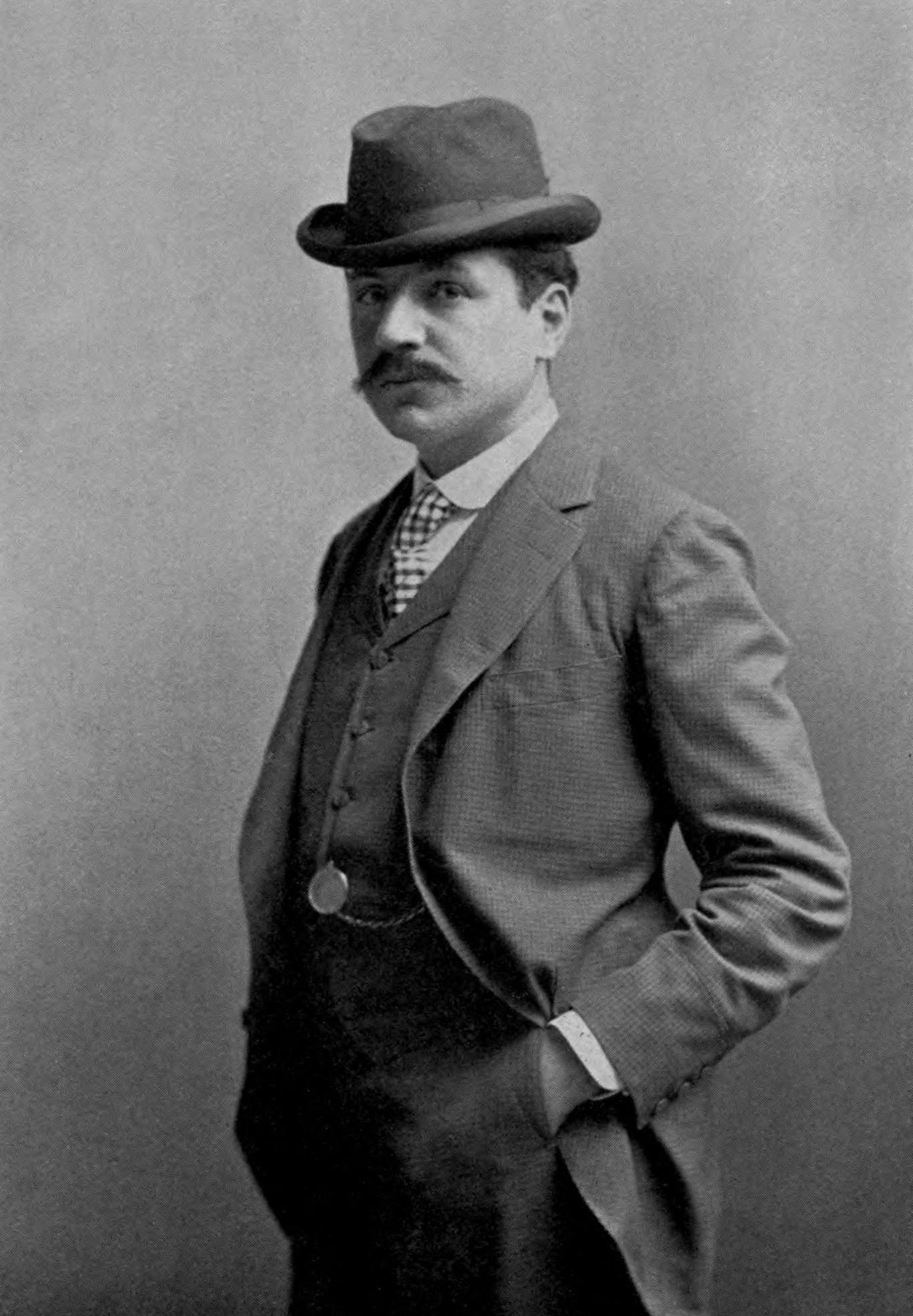
Paul Bourget, a distinguished French writer and critic, has left an indelible mark on the literary world. His work, which spanned across the late 19th and early 20th centuries, offers a compelling insight into the societal norms and intellectual currents of his time. This article delves into his age, fame, and life highlights, providing a comprehensive view of his contributions to literature and his enduring legacy.
Early Life and Education
Paul Bourget was born on September 2, 1852, in Amiens, France. His early life was shaped by a rich intellectual environment, thanks to his father, Justin Bourget, who was a professor of mathematics. This academic backdrop played a crucial role in shaping young Paul’s intellectual pursuits. His formative years were spent in the picturesque town of Clermont-Ferrand, where he attended the Lycée Blaise-Pascal. The rigorous education he received there laid the foundation for his future literary endeavors.
The Rise to Fame
Bourget’s journey to fame began in earnest in the 1870s when he moved to Paris. The bustling literary scene of the French capital provided the perfect backdrop for his burgeoning career. He initially dabbled in poetry, with his first collection, “La Vie Inquiète,” published in 1874. Although his early poetic works did not garner significant attention, they marked the beginning of his literary journey.
Transition to Novels and Essays
The real turning point in Bourget’s career came with his transition to writing novels and essays. His first novel, “L’Irreparable,” published in 1884, marked the beginning of a series of psychological novels that would define his career. These novels were characterized by their deep psychological insights and exploration of the complexities of human emotions. Bourget’s keen observation skills and his ability to delve into the human psyche set his works apart from those of his contemporaries.
The Psychological Novel
Bourget is often credited with pioneering the psychological novel in French literature. His works, such as “Cruelle Énigme” (1885) and “Un Crime d’Amour” (1886), delved into the intricate workings of the human mind, exploring themes of love, passion, and moral dilemmas. These novels were not just stories; they were profound studies of human behavior and emotions. Bourget’s ability to create complex characters and his meticulous attention to detail earned him critical acclaim and a dedicated readership.
Critical Acclaim and Literary Contributions
Bourget’s contributions to literature were not limited to novels. He was also a prolific essayist and critic. His collection of essays, “Essais de Psychologie Contemporaine” (1883), showcased his analytical prowess and his deep understanding of contemporary society. In these essays, Bourget analyzed the works of prominent writers and thinkers of his time, offering incisive critiques and thought-provoking insights.
Influence on Contemporary Writers
Bourget’s work had a significant impact on his contemporaries and the generations that followed. His exploration of psychological themes influenced many writers, including Marcel Proust, who admired Bourget’s ability to delve into the human psyche. Bourget’s meticulous character studies and his emphasis on psychological realism paved the way for the modernist movement in literature.
Personal Life and Relationships
Paul Bourget’s personal life was as intriguing as his literary career. He married Minnie Catherine David in 1889, a union that provided him with stability and companionship. The couple did not have children, but their relationship was marked by mutual respect and intellectual companionship. Bourget’s correspondence with prominent figures of his time, including Henry James and Maurice Barrès, offers valuable insights into his thoughts and beliefs.
Travels and Influences
Bourget was an avid traveler, and his journeys significantly influenced his work. His travels to Italy, in particular, left a lasting impression on him. The beauty of the Italian landscape and the rich cultural heritage of the country provided Bourget with endless inspiration. His novel “Le Disciple” (1889) reflects his fascination with Italy and his deep appreciation for its art and history.
Later Years and Legacy
In the later years of his life, Bourget’s work took on a more conservative tone. He became increasingly concerned with moral and ethical issues, a shift that is evident in his later novels and essays. Despite this change in focus, Bourget’s work continued to captivate readers and critics alike.
Recognition and Honors
Bourget’s contributions to literature were recognized with numerous honors. He was elected to the prestigious Académie Française in 1894, a testament to his significant impact on French literature. His influence extended beyond France, earning him recognition and admiration from literary circles worldwide.
Lasting Legacy
Paul Bourget passed away on December 25, 1935, in Paris, leaving behind a rich literary legacy. His works continue to be studied and appreciated for their deep psychological insights and their exploration of complex human emotions. Bourget’s ability to capture the intricacies of the human mind and his keen observations of society ensure that his work remains relevant to this day.
Conclusion
Paul Bourget’s life and work offer a fascinating glimpse into the world of French literature during the late 19th and early 20th centuries. His pioneering contributions to the psychological novel, his incisive essays, and his profound understanding of human nature have left an indelible mark on literary history. Bourget’s legacy is a testament to the enduring power of literature to explore the depths of the human soul and to reflect the complexities of the human experience.


