
Introduction
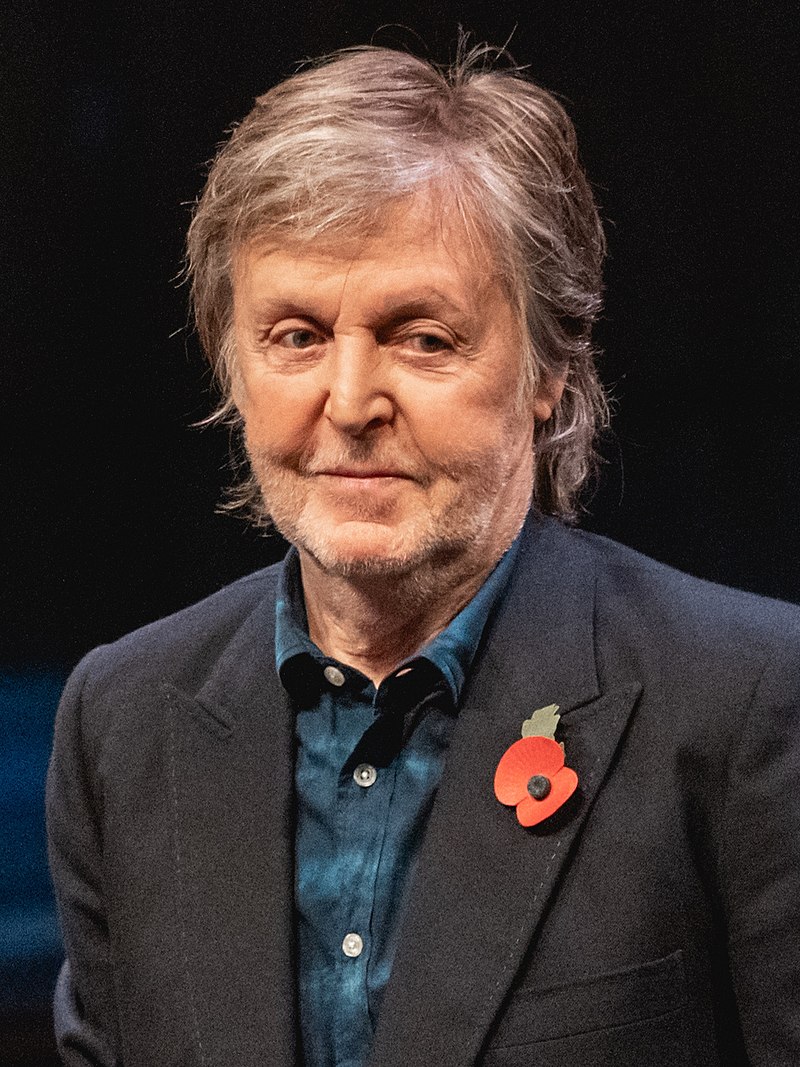
Paul McCartney, born James Paul McCartney on June 18, 1942, in Liverpool, England, is one of the most influential and successful musicians in history. As a founding member of The Beatles, McCartney’s contributions to music have left an indelible mark on the world, shaping the course of popular culture and music for decades. Beyond his work with The Beatles, McCartney has enjoyed a prolific solo career, marked by a diverse array of musical endeavors, collaborations, and innovations. This article explores the life of Paul McCartney, tracing his journey from a young boy in Liverpool to global superstardom, and highlighting the key moments that have defined his legendary career.
Early Life and Musical Beginnings
Paul McCartney was born into a working-class family in Liverpool. His father, James McCartney, was a cotton salesman and a jazz pianist, while his mother, Mary, was a nurse. McCartney’s early exposure to music came from his father, who played the piano at home and encouraged Paul and his brother, Michael, to appreciate music. This early musical environment laid the foundation for McCartney’s future in music.
McCartney attended the Liverpool Institute, where he excelled academically. However, his true passion lay in music, and he began teaching himself to play the guitar, inspired by rock and roll artists like Elvis Presley and Little Richard. It was during this time that McCartney met John Lennon at a church fete in 1957, a meeting that would change the course of music history.
McCartney and Lennon quickly bonded over their shared love of music and began writing songs together. They formed a band, initially called The Quarrymen, which would eventually evolve into The Beatles. This partnership between Lennon and McCartney became one of the most successful songwriting collaborations in music history, producing some of the most iconic songs of the 20th century.
The Beatles: Rise to Fame
The Beatles, consisting of Paul McCartney, John Lennon, George Harrison, and Ringo Starr, officially formed in 1960. The band’s early years were spent honing their craft in Liverpool and Hamburg, where they played countless gigs and developed a unique sound that blended rock and roll, skiffle, and rhythm and blues. The Beatles’ big break came in 1962 when they signed with EMI’s Parlophone label and released their first single, “Love Me Do.”
The success of “Love Me Do” marked the beginning of Beatlemania, a cultural phenomenon that swept across the UK and, eventually, the world. The Beatles’ innovative approach to music, characterized by catchy melodies, clever lyrics, and sophisticated arrangements, set them apart from other bands of the time. McCartney’s melodic bass lines and versatile vocals were integral to the band’s sound, and his songwriting partnership with Lennon produced a string of hits, including “Please Please Me,” “She Loves You,” and “I Want to Hold Your Hand.”
As The Beatles’ fame grew, so did their musical ambitions. The band began experimenting with different genres and recording techniques, leading to the creation of groundbreaking albums such as Rubber Soul (1965), Revolver (1966), and Sgt. Pepper’s Lonely Hearts Club Band (1967). Sgt. Pepper, in particular, is often regarded as one of the greatest albums of all time, and much of its success is attributed to McCartney’s creative vision and contributions.
McCartney’s songwriting during this period showcased his versatility and ability to craft songs in a variety of styles, from the psychedelic “Lucy in the Sky with Diamonds” to the whimsical “When I’m Sixty-Four.” His songs often reflected a more optimistic and melodic sensibility, in contrast to Lennon’s edgier, more introspective style. This dynamic between the two songwriters was a key factor in The Beatles’ success.
The Beatles’ Breakup and McCartney’s Solo Career
By the late 1960s, tensions within The Beatles began to surface, driven by creative differences, business disputes, and personal conflicts. Despite these challenges, the band continued to produce music, including the critically acclaimed Abbey Road (1969) and Let It Be (1970). However, the strain eventually proved too much, and in 1970, Paul McCartney announced his departure from The Beatles, effectively signaling the end of the band.
Following the breakup, McCartney embarked on a solo career, releasing his debut solo album, McCartney, in 1970. The album, which featured the hit single “Maybe I’m Amazed,” was a commercial success and marked the beginning of McCartney’s post-Beatles musical journey. McCartney’s solo work initially received mixed reviews, with some critics comparing it unfavorably to The Beatles’ output. However, McCartney’s dedication to his craft and his willingness to experiment with different musical styles soon earned him recognition as a solo artist in his own right.
In 1971, McCartney formed a new band, Wings, with his wife, Linda McCartney, and guitarist Denny Laine. Wings became one of the most successful bands of the 1970s, producing a series of hit albums and singles, including “Band on the Run,” “Live and Let Die,” and “Jet.” McCartney’s ability to reinvent himself and continue producing popular music after The Beatles solidified his status as a music legend.
Collaborations and Continued Success
Throughout his career, Paul McCartney has collaborated with a wide range of artists across different genres. In the 1980s, he worked with Michael Jackson on the hit singles “The Girl Is Mine” and “Say Say Say,” both of which topped the charts. He also collaborated with Stevie Wonder on the socially conscious duet “Ebony and Ivory,” which became another number-one hit.
McCartney’s willingness to collaborate with other artists and explore different musical styles has kept his music fresh and relevant over the decades. He has worked with a diverse array of musicians, from rock and pop stars to classical composers. His versatility as a musician is evident in his ability to move seamlessly between genres, whether he’s performing rock anthems, composing classical pieces, or experimenting with electronic music.
In addition to his collaborations, McCartney has continued to release solo albums that have been well-received by critics and fans alike. Albums such as Flowers in the Dirt (1989), Flaming Pie (1997), and Egypt Station (2018) have showcased McCartney’s enduring talent as a songwriter and performer. His live performances remain a major draw, with fans flocking to see the legendary musician perform classic hits as well as new material.
Legacy and Influence
Paul McCartney’s impact on music is immeasurable. As a member of The Beatles, he helped to revolutionize popular music, pushing the boundaries of what a rock band could achieve both creatively and commercially. The Beatles’ influence can be heard in countless artists and genres, from rock and pop to hip-hop and electronic music.
McCartney’s songwriting, characterized by its melodic inventiveness and lyrical depth, has inspired generations of musicians. His ability to craft songs that are both accessible and artistically sophisticated has set a high standard for pop music. Songs like “Yesterday,” “Let It Be,” and “Hey Jude” are timeless classics that continue to resonate with audiences around the world.
Beyond his contributions to music, McCartney has also been an advocate for various social and environmental causes. He has long been a supporter of animal rights and vegetarianism, inspired in part by his late wife, Linda McCartney. McCartney’s commitment to these causes is reflected in his music and public statements, making him not only a musical icon but also a respected voice on important social issues.
Personal Life and Public Image
Paul McCartney’s personal life has been the subject of much media attention over the years. In 1969, he married American photographer Linda Eastman, and the couple had four children together. Linda McCartney was not only Paul’s wife but also his musical partner, contributing vocals and keyboards to Wings and his solo projects. Their marriage was widely regarded as one of the most stable and loving in the entertainment industry, lasting until Linda’s death from cancer in 1998.
McCartney’s relationship with his children, particularly his daughter Stella McCartney, a successful fashion designer, is well-documented. Despite the pressures of fame, McCartney has always emphasized the importance of family and has remained close to his children throughout his life.
In 2002, McCartney married Heather Mills, a former model and activist. The marriage, however, ended in a highly publicized divorce in 2008. McCartney later married Nancy Shevell in 2011, and the couple has maintained a relatively private life compared to his previous marriages.
McCartney’s public image has largely been that of a down-to-earth, approachable musician who remains dedicated to his craft. His humility, despite his monumental success, has endeared him to fans and has helped maintain his popularity over the decades.
Challenges and Controversies
Like any public figure, Paul McCartney has faced his share of challenges and controversies. The breakup of The Beatles was a particularly difficult period, marked by legal battles and personal tensions among the band members. McCartney’s decision to sue the other members of The Beatles to dissolve the band’s partnership was a contentious move, but one that he believed was necessary to protect the band’s legacy and his own financial interests.
McCartney has also dealt with the pressures of living up to the legacy of The Beatles. While his solo work has been successful, it has often been compared to the monumental achievements of his earlier career. Despite these challenges, McCartney has continued to create music that resonates with audiences, demonstrating his resilience and dedication to his art.
Conclusion
Paul McCartney’s journey from a young boy in Liverpool to one of the most celebrated musicians in history is a story of talent, perseverance, and creativity. His contributions to music, both as a member of The Beatles and as a solo artist, have left an indelible mark on popular culture. McCartney’s ability to continuously evolve as an artist, while staying true to his musical roots, has ensured his place as a legend in the world of music.
As he continues to perform, record, and inspire new generations of musicians, Paul McCartney’s legacy is secure. His music, characterized by its melodic brilliance and emotional depth, will continue to be celebrated for years to come. Whether through his iconic Beatles songs or his solo work, McCartney’s influence on music and culture is profound and enduring.


