
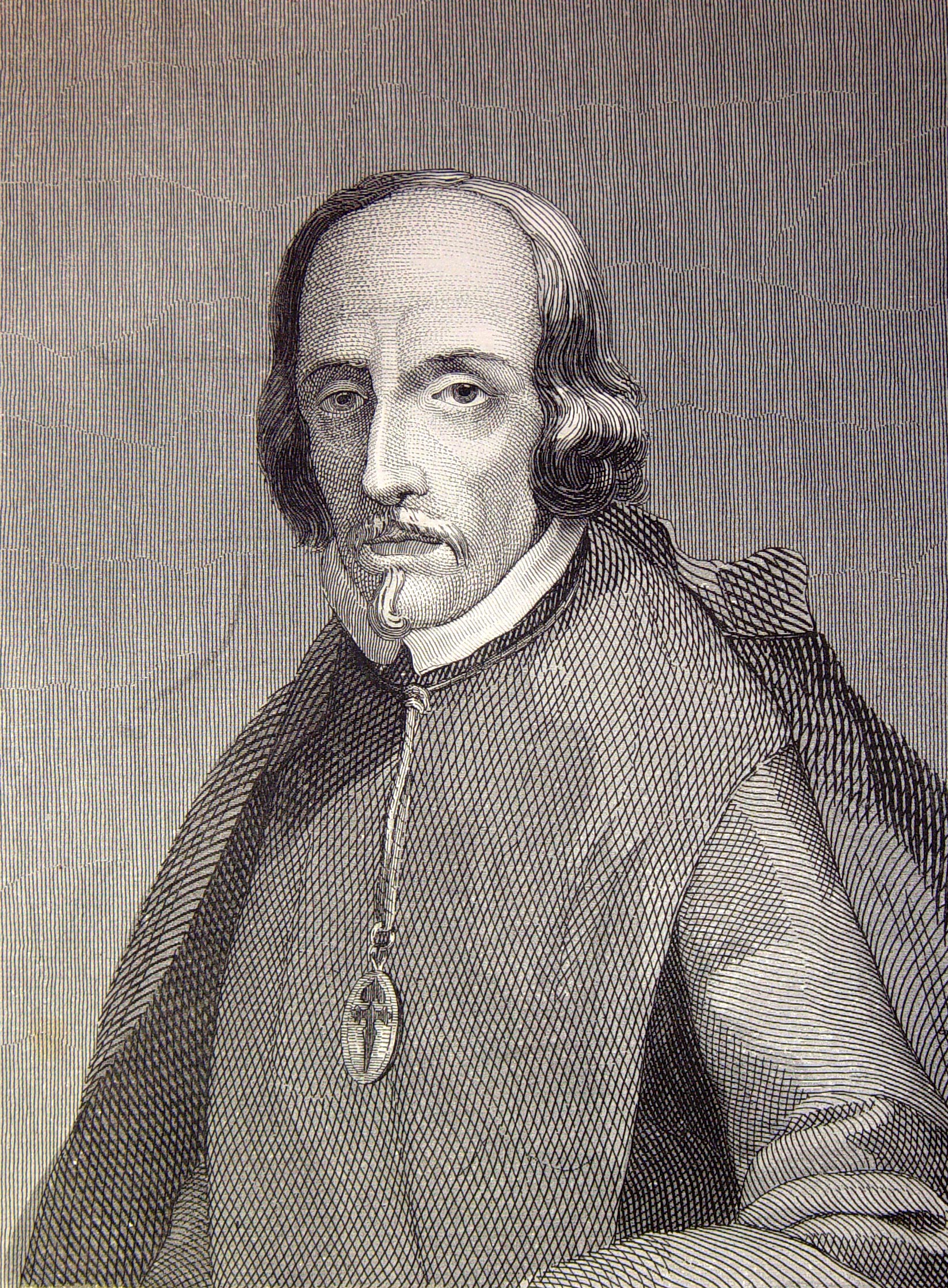
Pedro Calderón de la Barca stands as one of the most eminent figures of Spain’s literary Golden Age, a period that encapsulated some of the most brilliant artistic and literary accomplishments in Spanish history. His life and works continue to influence literature and theater, resonating through the centuries. This article delves into the age, fame, and life highlights of Pedro Calderón de la Barca, exploring his historical context, the evolution of his career, and the enduring legacy of his work.
Early Life and Education
Pedro Calderón de la Barca was born on January 17, 1600, in Madrid, Spain. The son of a finance council chancellor, Calderón’s upbringing was steeped in the intellectual and religious traditions of the time. His early education was rigorous, marked by his attendance at the Jesuit College in Madrid between 1609 and 1614. This formative period laid the groundwork for his deep theological knowledge, which would later permeate his literary works.
At the University of Alcalá de Henares, and later at the University of Salamanca, Calderón pursued further studies, deepening his understanding of theology and philosophy. By 1620, he had earned his bachelor’s degree, setting the stage for a life that would intertwine religious devotion with literary prowess.
The Controversial Years: Accusations and Escapes
Calderón’s early adult years were marked by turbulence and controversy. In 1621, he was accused of killing a servant of the Duke of Frías, a charge that forced him to seek refuge with the German ambassador to avoid arrest. Five years later, Calderón returned to Madrid, only to find himself embroiled in another scandal in 1629, when he was accused of attacking a priest. The priest had publicly reprimanded Calderón for entering a cloistered convent to apprehend an actor who had injured his brother. These incidents, though controversial, did not hinder his rising literary career.
Rise to Literary Prominence
Calderón’s first foray into the literary world occurred in 1620, during the literary competitions held in honor of Saint Isidro and organized by Lope de Vega, another towering figure of Spanish literature. However, it was in 1623 that Calderón made his definitive mark with his first datable play, “Amor, Honor y Poder”. This play heralded the beginning of a prolific career in theater.
The 1630s and 1640s were particularly significant for Calderón. In 1636, he was knighted into the Order of Santiago, a prestigious recognition of his contributions to Spanish culture. During this period, Calderón also served in the military, participating in campaigns in France and Catalonia. His military service added a layer of complexity to his life, intertwining his experiences of conflict with his evolving literary themes.
Master of the Auto Sacramental
One of Calderón’s most notable contributions to Spanish literature was his perfection of the “auto sacramental,” a genre of religious drama that he elevated to unparalleled heights. The auto sacramental was a one-act play that used allegory and symbolism to explore theological themes, often performed during religious festivals like Corpus Christi.
After his ordination as a priest in 1651, Calderón devoted himself almost exclusively to writing autos sacramentales and religious-themed plays. His works from this period reflect the baroque culture of Spain, characterized by intricate metaphors, deep philosophical reflections, and a focus on the transient nature of life. Calderón’s autos became quintessential expressions of the Spanish baroque, blending religious devotion with artistic innovation.
Personal Life and Religious Devotion
Calderón’s personal life was as complex as his literary creations. For a time, he lived with a woman who bore him a son, a relationship that contrasts with his later commitment to the Church. By 1650, Calderón had taken a decisive turn towards religious life, joining the Third Order of St. Francis and becoming a priest in 1651.
His religious duties led him to various positions within the Church, including an assignment to the parish of Reyes Nuevos in Toledo. However, due to opposition from the chief chaplain, Calderón was unable to take up this position and instead joined the Confraternity of Refuge. In 1663, he was appointed honorary chaplain to the king, a role that brought him back to Madrid, where he would spend the rest of his life.
Literary Legacy and Philosophical Depth
Calderón’s literary output is staggering, with over 110 plays to his name. He published four major collections of his works in 1636, 1637, 1664, and 1673-1674, with a fifth collection released posthumously in 1677. Among these works, “La vida es sueño” (“Life is a Dream”), stands out as his magnum opus. Written in 1635, this three-act philosophical and theological drama in verse explores themes of free will, fate, and the nature of reality, encapsulating the existential questions that preoccupied Calderón throughout his life.
The influence of Saint Augustine and Saint Thomas Aquinas is evident in Calderón’s works, particularly in his pessimistic view of human autonomy and the transient nature of worldly achievements. His plays often depict life as a pilgrimage, a dream, or a stage, where individuals are merely actors playing predefined roles. This recurring motif reflects Calderón’s deep skepticism about the value of human endeavors, a sentiment that resonates with the baroque worldview of his time.
Final Years and Posthumous Recognition
Pedro Calderón de la Barca passed away on May 25, 1681, in Madrid, at the age of 81. By the time of his death, he was widely regarded as the last great playwright of Spain’s Siglo de Oro (Golden Age), a period that spanned the 16th and 17th centuries and corresponded with Spain’s political and military zenith.
Calderón’s works continued to influence Spanish literature and theater long after his death. Between 1682 and 1691, Juan de Vera Tassis edited a nine-volume edition of Calderón’s works, ensuring that his legacy would endure. Today, Calderón is remembered not only for his contributions to Spanish drama but also for his deep philosophical insights and his exploration of the human condition through the lens of baroque Catholicism.
Historical Context and Influence
To fully appreciate Calderón’s work, it’s essential to understand the historical context in which he lived. The Siglo de Oro was a period of immense cultural flourishing in Spain, marked by the production of some of the greatest works of art, literature, and music in the country’s history. However, it was also a time of political and religious upheaval, with the Spanish Inquisition, wars, and the Counter-Reformation shaping the intellectual landscape.
Calderón’s works reflect these tensions, particularly his autos sacramentales, which often served as vehicles for expressing the religious orthodoxy of the time. His plays can be seen as a mirror of the society in which he lived, with their themes of honor, power, and faith resonating with the concerns of his contemporaries.
Moreover, Calderón’s exploration of philosophical and theological questions places him alongside other great thinkers of the baroque period. His plays are not just entertainment but also vehicles for profound reflections on the nature of existence, the role of divine providence, and the limits of human knowledge.
Conclusion
Pedro Calderón de la Barca remains a towering figure in the history of Spanish literature. His life was marked by both controversy and devotion, his works by both artistic brilliance and deep philosophical inquiry. As the last great playwright of Spain’s Siglo de Oro, Calderón’s legacy is one of enduring influence, with his plays continuing to be studied, performed, and admired to this day.
His exploration of the human condition, his mastery of the auto sacramental, and his contribution to the baroque tradition have cemented his place in the pantheon of literary greats. Whether through the philosophical depth of “La vida es sueño” or the religious allegories of his autos, Calderón’s works offer timeless insights into the complexities of life, faith, and human nature.


