
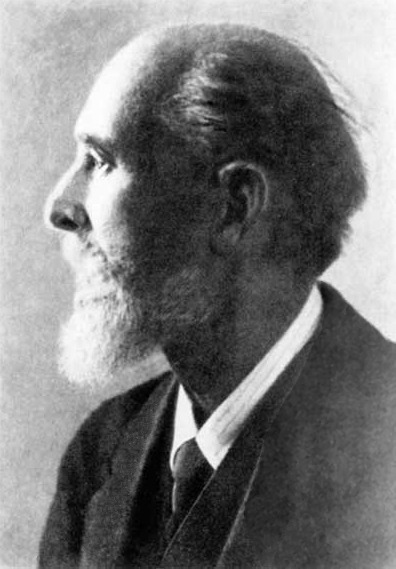
Introduction to Peter Carl Fabergé
Peter Carl Fabergé, born on May 30, 1846, in Saint Petersburg, Russia, is one of the most celebrated jewelers in history. Known for his intricate and luxurious Fabergé eggs, which were crafted with unparalleled artistry, Fabergé’s name has become synonymous with opulence and exquisite craftsmanship. His creations, particularly the Imperial Easter Eggs made for the Russian Tsars, have left an indelible mark on the world of decorative arts.
Early Life and Background
Peter Carl Fabergé was born into a family of jewelers. His father, Gustav Fabergé, was of German origin from Livonia (modern-day Estonia) and had established a jewelry business in Saint Petersburg. His mother, Charlotte Jungstedt, was of Danish descent. The Fabergé family moved to Dresden, Germany, in 1860, where Peter Carl began his education.
Fabergé’s early exposure to the world of jewelry came from his father’s business. After completing his initial education, he embarked on a journey across Europe to refine his skills. He trained with master jewelers in Germany, France, and England, gaining a deep understanding of different styles and techniques. This period of study was crucial in shaping Fabergé’s artistic vision and technical expertise.
Return to Russia and the Rise of the House of Fabergé
In 1872, at the age of 26, Peter Carl Fabergé returned to Saint Petersburg, where he took over the family business. His return marked the beginning of a new era for the House of Fabergé. Peter Carl introduced innovative designs and expanded the company’s offerings beyond traditional jewelry. Under his leadership, the House of Fabergé gained a reputation for creating exquisite, bespoke pieces that were highly sought after by the Russian aristocracy.
Fabergé’s talent and vision did not go unnoticed. In 1882, his work was exhibited at the Pan-Russian Exhibition in Moscow, where it caught the eye of Tsar Alexander III. This encounter would prove to be a turning point in Fabergé’s career, leading to his appointment as the court jeweler.
The First Fabergé Egg and Imperial Commissions
The first Fabergé Egg, created in 1885, was commissioned by Tsar Alexander III as an Easter gift for his wife, Empress Maria Feodorovna. This initial creation set the standard for what would become a series of 57 Imperial Easter Eggs, each more elaborate than the last. The original egg, known as the “Hen Egg,” featured a white enameled shell that opened to reveal a golden yolk. Inside the yolk was a golden hen, and within the hen, a miniature replica of the Imperial Crown, along with a small ruby pendant.
The Empress was so delighted with the gift that the Tsar appointed Fabergé as the official supplier to the Imperial Court, a position that solidified the House of Fabergé’s status as the premier jeweler in Russia. From that point on, Fabergé was tasked with creating an Imperial Easter Egg each year, with the stipulation that each one be unique and contain a surprise.
Expansion of the Fabergé Brand and Artistic Innovation
As the reputation of the House of Fabergé grew, so did the scope of its creations. Fabergé expanded his workshop, employing a team of highly skilled artisans, including goldsmiths, enamelers, and gem cutters. These craftsmen were responsible for executing Fabergé’s designs, which were known for their attention to detail, innovative use of materials, and exceptional quality.
Fabergé’s workshops produced not only the famous eggs but also a wide range of other luxurious items, including jewelry, silverware, and objets d’art. His work was characterized by the use of enameling techniques, intricate engraving, and the incorporation of precious stones. Fabergé was also known for reviving traditional Russian craftsmanship, blending it with contemporary European styles to create pieces that were both timeless and modern.
The Golden Age of Fabergé and the Russian Aristocracy
The late 19th and early 20th centuries were the golden age of Fabergé. His creations became synonymous with the opulence of the Russian Imperial Court and were highly coveted by the aristocracy. Fabergé’s clients included not only the Russian Tsars but also royalty and nobility from across Europe.
During this period, Fabergé’s eggs became increasingly elaborate. Each egg was designed to reflect the personal interests and passions of its recipient. For example, the 1897 Coronation Egg commemorated the coronation of Tsar Nicholas II and featured a miniature replica of the Imperial coach used during the ceremony. Other eggs celebrated significant events, such as royal weddings, births, and anniversaries.
The craftsmanship involved in creating these eggs was extraordinary. Fabergé’s team would spend up to a year designing and constructing each egg, ensuring that every detail was perfect. The process involved selecting the finest materials, including gold, diamonds, pearls, and enamel, and crafting intricate mechanisms to reveal the surprises hidden within each egg.
The Impact of the Russian Revolution and the Fall of the House of Fabergé
The Russian Revolution of 1917 brought an abrupt end to the opulent lifestyle of the Russian aristocracy, and with it, the golden age of Fabergé. The Bolsheviks seized power, and the Romanov dynasty was overthrown. The House of Fabergé was nationalized, and its assets were confiscated by the new regime.
Peter Carl Fabergé, who had been at the pinnacle of his success, found himself facing the collapse of his business and the loss of his homeland. The Russian Revolution marked the end of the Imperial commissions, and the workshops that had once produced some of the most exquisite pieces of art were shuttered. Fabergé and his family fled Russia, seeking refuge in Switzerland.
The final years of Fabergé’s life were spent in exile. He passed away in Lausanne, Switzerland, on September 24, 1920, at the age of 74. Despite the tragic end to his career, Fabergé’s legacy lived on through the masterpieces he created, which continue to be celebrated for their beauty and craftsmanship.
The Legacy of Fabergé: From Imperial Russia to the Modern World
The legacy of Peter Carl Fabergé is enduring, with his name remaining synonymous with luxury, artistry, and precision. The Fabergé Eggs, in particular, have become cultural icons, representing the height of opulence and the intricate artistry of the late 19th and early 20th centuries. These eggs are considered some of the most valuable and sought-after objects in the world.
After Fabergé’s death, many of his creations were scattered across the globe. Some were sold to private collectors, while others found their way into museums. Today, a significant number of the surviving Fabergé Eggs are housed in the Kremlin Armoury Museum in Moscow. These eggs, which were once symbols of Imperial Russia’s wealth and power, now serve as historical artifacts, offering a glimpse into a bygone era.
In 2004, Russian billionaire Viktor Vekselberg purchased nine Fabergé Eggs that had previously been owned by the American publishing magnate Malcolm Forbes. This acquisition was significant as it brought these treasures back to Russia, where they could once again be appreciated in their homeland.
The Influence of Fabergé on Modern Jewelry and Art
The influence of Peter Carl Fabergé extends far beyond the eggs he is most famous for. His approach to design, characterized by innovation, meticulous craftsmanship, and the use of high-quality materials, set new standards in the world of jewelry and decorative arts. Fabergé’s work has inspired generations of jewelers and artists, who continue to draw on his techniques and aesthetic principles.
In the modern era, the Fabergé brand has been revived, with the company producing new collections of jewelry that pay homage to the original designs of Peter Carl Fabergé. These contemporary pieces are created with the same attention to detail and quality that made Fabergé’s work famous, ensuring that his legacy continues to influence the world of luxury.
Conclusion: Peter Carl Fabergé’s Enduring Legacy
Peter Carl Fabergé’s life and work represent a pinnacle of artistic achievement in the field of jewelry and decorative arts. His ability to blend traditional craftsmanship with innovative design resulted in creations that continue to captivate and inspire. The Fabergé Eggs, in particular, remain symbols of beauty, luxury, and historical significance.
Fabergé’s influence can be seen not only in the preservation and appreciation of his original works but also in the continued use of his techniques and design principles by modern jewelers. His legacy is one of enduring artistry and excellence, a testament to the power of creativity and craftsmanship in shaping the world of luxury.
As we continue to admire the works of Peter Carl Fabergé, we are reminded of the importance of preserving and celebrating the art of the past, while also drawing inspiration from it to create the masterpieces of the future.


