
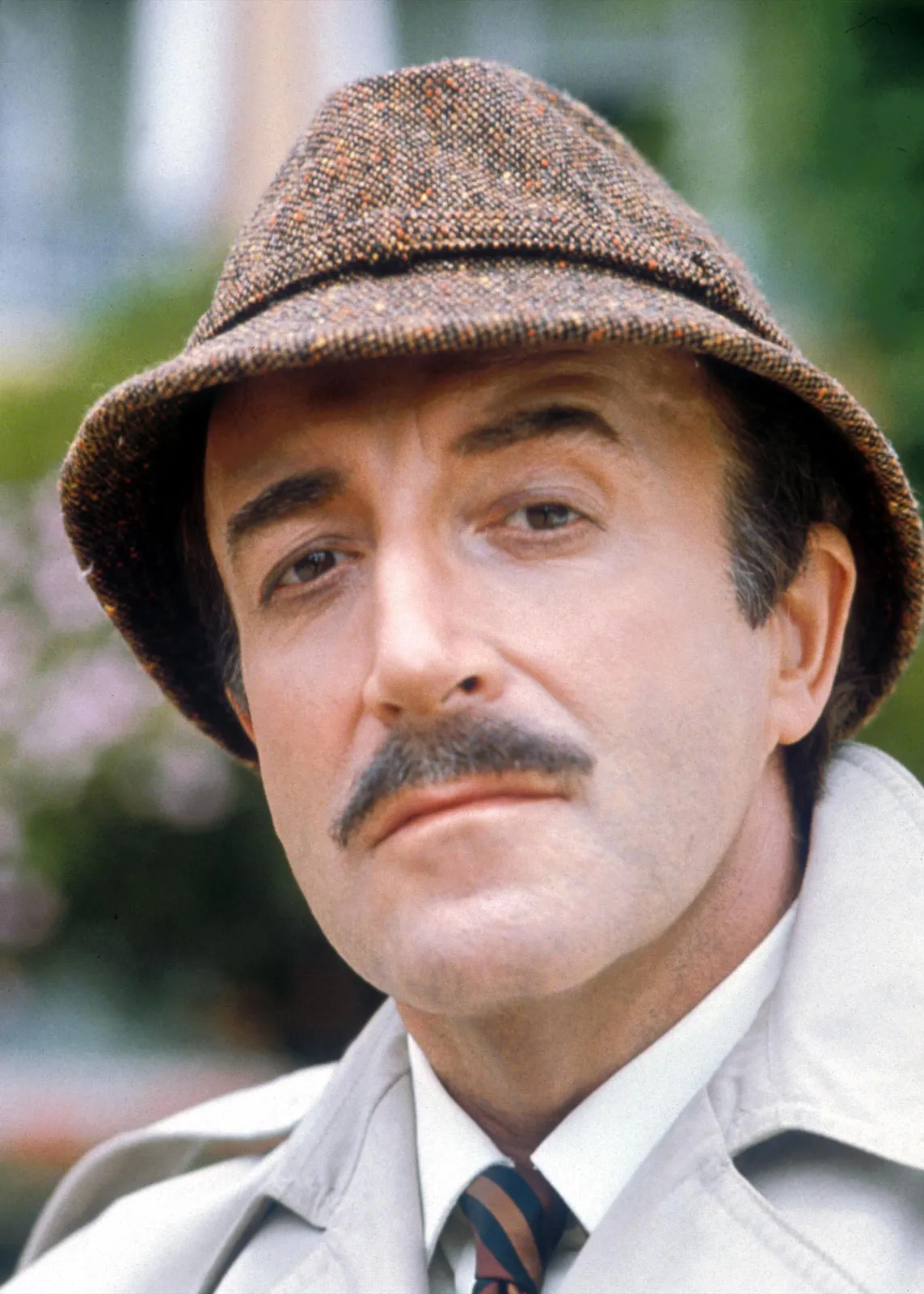
Peter Sellers, born Richard Henry Sellers on September 8, 1925, in Southsea, Hampshire, England, is one of the most iconic and versatile actors in cinematic history. Known for his remarkable ability to embody a wide range of characters, often within the same film, Sellers left an indelible mark on the world of comedy and beyond. His career, marked by both phenomenal success and personal turmoil, is a testament to the complexities of fame and the pressures that come with being a comedic genius.
Early Life and Introduction to Performance
Peter Sellers was born into a family deeply rooted in the entertainment industry. His parents were vaudeville performers, and from an early age, Sellers was exposed to the world of show business. This environment nurtured his natural talent for mimicry and performance, skills that would later define his career.
Growing up, Sellers faced challenges, particularly in his relationship with his domineering mother, Peg, who had a significant influence on his life. Despite these difficulties, he found solace in performing, often imitating famous actors and personalities, which delighted his family and friends. His early education was disrupted by World War II, during which he served in the Royal Air Force (RAF), where he continued to entertain his fellow servicemen through performances and impersonations.
After the war, Sellers pursued a career in entertainment, starting with radio. He joined the BBC’s The Goon Show in the 1950s, where he gained national fame. The Goon Show was a groundbreaking comedy program that combined surreal humor with clever wordplay, and Sellers’ contributions were instrumental in its success. His ability to voice multiple characters on the show demonstrated his exceptional vocal range and comic timing, earning him a devoted following.
Breakthrough in Film: The Ladykillers and Early Success
Peter Sellers made his film debut in the early 1950s, but it was his role in the 1955 film The Ladykillers that brought him widespread recognition. In this dark comedy, Sellers played a bumbling gangster, a role that showcased his ability to blend humor with a sense of menace. The film was a critical and commercial success, and Sellers’ performance was praised for its subtlety and comedic timing.
Following the success of The Ladykillers, Sellers’ film career began to take off. He starred in a series of British comedies, including I’m All Right Jack (1959), for which he won the BAFTA Award for Best Actor in a Leading Role. His ability to fully inhabit diverse characters, from inept military officers to scheming con artists, set him apart from other actors of his time.
The Pink Panther and International Stardom
Peter Sellers’ most famous role came in 1963 with The Pink Panther, directed by Blake Edwards. In this film, Sellers portrayed the bumbling French Inspector Jacques Clouseau, a character that would become synonymous with his name. Clouseau’s clumsy attempts to solve crimes, combined with his exaggerated French accent and physical comedy, made the character an instant hit.
The Pink Panther was originally intended to be a vehicle for David Niven, but Sellers’ performance as Clouseau stole the show. The film’s success led to a series of sequels, including A Shot in the Dark (1964) and The Return of the Pink Panther (1975), in which Sellers reprised his role as Clouseau. The character became a cultural icon, and Sellers’ portrayal is considered one of the greatest comedic performances in film history.
The Pink Panther series also gave rise to the animated character of the Pink Panther, who appeared in the film’s opening credits and went on to become a beloved figure in popular culture, further cementing the legacy of the films.
Collaboration with Stanley Kubrick: Dr. Strangelove
One of Peter Sellers’ most acclaimed performances came in 1964 with Stanley Kubrick’s satirical masterpiece Dr. Strangelove or: How I Learned to Stop Worrying and Love the Bomb. In this film, Sellers played multiple roles: the eccentric Dr. Strangelove, the inept President Merkin Muffley, and the bumbling British officer Group Captain Lionel Mandrake. Each character was distinct, showcasing Sellers’ extraordinary range and his ability to switch seamlessly between personas.
Dr. Strangelove was a critical success and remains one of the most influential films of all time. Sellers’ performance was widely praised, and he received an Academy Award nomination for Best Actor for his work. His portrayal of Dr. Strangelove, in particular, has become iconic, with the character’s bizarre behavior and chilling catchphrases leaving a lasting impression on audiences.
Kubrick originally wanted Sellers to play a fourth role in the film, that of Major T.J. “King” Kong, but Sellers injured his ankle during production, leading to Slim Pickens taking over the role. Despite this, Sellers’ contribution to the film was monumental, and his collaboration with Kubrick is remembered as one of the highlights of his career.
Personal Life and Marriages
While Peter Sellers’ professional life was marked by success, his personal life was tumultuous. He was married four times, and his relationships were often strained by his unpredictable behavior and insecurities. His first marriage was to actress Anne Howe, with whom he had two children, Michael and Sarah. The marriage ended in divorce in 1963.
Shortly after, Sellers married Swedish actress Britt Ekland, with whom he had a daughter, Victoria. Their relationship was highly publicized, but it was also fraught with difficulties. Sellers’ obsessive jealousy and mood swings put a significant strain on the marriage, leading to their divorce in 1968.
Sellers’ third marriage was to Miranda Quarry, a socialite, in 1970. This marriage also ended in divorce in 1974. His final marriage was to actress Lynne Frederick in 1977. Frederick was 30 years younger than Sellers, and their relationship was marked by his declining health and increasing instability. Sellers died in 1980, leaving Frederick as his widow and the sole heir to his estate.
Later Career and Decline
Despite his early success, Peter Sellers’ later career was marked by a series of personal and professional challenges. His health began to deteriorate in the 1970s due to a series of heart attacks, and his behavior became increasingly erratic. He struggled with depression, and his relationships with directors and co-stars were often strained.
In the late 1970s, Sellers attempted a comeback with The Prisoner of Zenda (1979) and Being There (1979). Being There, directed by Hal Ashby, was a critical success and is considered one of Sellers’ finest performances. In the film, Sellers played Chance, a simple gardener whose naive observations are mistaken for profound wisdom by the world around him. The role earned Sellers another Academy Award nomination for Best Actor and revitalized his career.
However, Sellers’ health continued to decline, and he died of a heart attack on July 24, 1980, at the age of 54. His death marked the end of an era in comedy, and he was mourned by fans and colleagues alike.
Legacy and Influence
Peter Sellers’ influence on comedy and film is immeasurable. His ability to transform into a wide variety of characters, often within a single film, set a new standard for actors in the comedy genre. He was a master of physical comedy, vocal mimicry, and timing, and his performances continue to be studied and admired by actors and filmmakers today.
Sellers’ work in The Pink Panther series and Dr. Strangelove has become a benchmark for comedic acting, and his ability to balance humor with pathos in films like Being There showcased his versatility as an actor. Despite his personal struggles, Sellers’ legacy as one of the greatest comedic talents of the 20th century remains intact.
His life was the subject of the 2004 biographical film The Life and Death of Peter Sellers, starring Geoffrey Rush as Sellers. The film explored his complex personality, his relationships, and his struggles with fame and identity. While the film received mixed reviews, it highlighted the enduring fascination with Sellers as both a performer and a person.
Conclusion
Peter Sellers was a comedic genius whose talent transcended the boundaries of traditional acting. His ability to inhabit multiple characters, each with distinct personalities and quirks, set him apart from his contemporaries and left a lasting impact on the world of film. Despite the challenges he faced in his personal life, Sellers’ contributions to cinema continue to be celebrated, and his performances remain as fresh and entertaining today as they were decades ago. His legacy as one of the most versatile and influential actors in comedy is secure, and his work will continue to inspire generations of performers and filmmakers for years to come.


