
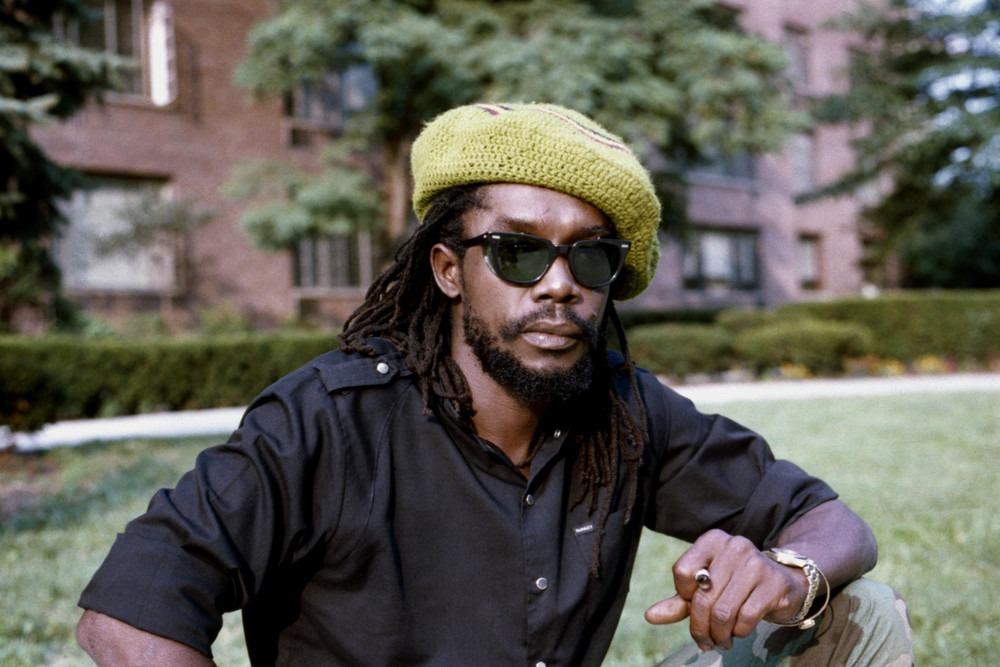
Peter Tosh is a name that echoes through the corridors of reggae music, a genre deeply rooted in the cultural and social fabric of Jamaica. Often overshadowed by the towering figure of Bob Marley, Tosh was a pivotal force in the global rise of reggae, contributing significantly to its rich legacy. Born Winston Hubert McIntosh on October 9, 1944, in Westmoreland, Jamaica, Peter Tosh’s life and career were marked by his unwavering commitment to social justice, his musical genius, and his tragic, untimely death. This article explores the life of Peter Tosh, delving into his age, the journey to fame, and the highlights of his storied career.
Early Life and Musical Beginnings
Peter Tosh was born in the rural parish of Westmoreland, Jamaica, a region known for its lush landscapes and deep-rooted cultural traditions. From an early age, Tosh exhibited a strong inclination towards music, a passion that would later shape his destiny. His formative years were spent in the midst of a burgeoning musical scene, with Jamaica being the birthplace of several influential genres, including ska, rocksteady, and eventually reggae.
Tosh moved to Kingston as a young man, where he immersed himself in the vibrant local music scene. It was in Kingston that he met two other aspiring musicians, Bob Marley and Bunny Wailer. Together, they formed the group that would later become known as The Wailers. This partnership marked the beginning of Tosh’s rise to fame, as The Wailers would go on to become one of the most iconic reggae bands in history.
The Wailers: A Crucible of Talent
The Wailers were originally known as The Wailing Wailers, a name that reflected the group’s early style, which was heavily influenced by ska and rocksteady. Tosh, along with Marley and Wailer, contributed to the creation of a new sound that combined the rhythmic energy of ska with the socially conscious lyrics that would become the hallmark of reggae music.
In the early years of The Wailers, Tosh played a crucial role, both as a vocalist and a guitarist. His deep, commanding voice and his skillful guitar work were integral to the band’s sound. Some of the early tracks that showcased Tosh’s talent include “Hoot Nanny Hoot,” “Shame and Scandal,” and “Maga Dog.” These songs helped to establish The Wailers as a force to be reckoned with in the Jamaican music scene.
However, it was the band’s collaboration with producer Lee “Scratch” Perry in the early 1970s that truly elevated The Wailers to new heights. During this period, Tosh’s contributions to the band were particularly notable. Songs like “400 Years,” “No Sympathy,” and “Downpresser Man” were infused with a strong social message, calling for the end of oppression and the liberation of the black population. Tosh’s lyrics, delivered with his characteristic intensity, resonated deeply with audiences both in Jamaica and abroad.
The Breakup of The Wailers and Solo Success
Despite the success of The Wailers, tensions within the group began to mount. By 1973, it became clear that the paths of the three members were diverging. Tosh, known for his strong-willed and uncompromising nature, found it increasingly difficult to work within the confines of the band. His relationship with Marley, in particular, became strained, leading to Tosh’s decision to pursue a solo career.
The breakup of The Wailers marked a new chapter in Tosh’s life. He established his own label, Intel Diplo HIM (Intelligent Diplomat for His Imperial Majesty), a move that reflected his desire for creative independence. Tosh’s solo work continued to push the boundaries of reggae music, both musically and thematically. His debut solo album, Legalize It, released in 1976, became an anthem for the movement to decriminalize marijuana. The title track, “Legalize It,” remains one of Tosh’s most iconic songs, celebrated for its bold advocacy and infectious rhythm.
Following the release of Legalize It, Tosh signed with Virgin Records, a partnership that further amplified his international presence. His subsequent albums, including Equal Rights (1977), continued to explore themes of social justice, human rights, and Rastafarianism. Tosh’s music was not only a reflection of his personal beliefs but also a powerful tool for raising awareness about the struggles faced by marginalized communities.
International Recognition and Collaboration
Peter Tosh’s impact was not limited to Jamaica; he became a global ambassador for reggae music and its underlying messages. His collaboration with international artists, most notably with Mick Jagger of The Rolling Stones, further solidified his status as a global icon. In 1978, Tosh signed with Rolling Stone Records, the label founded by Jagger, and released the hit single “Don’t Look Back,” a cover of The Temptations’ classic. The song became a commercial success, reaching the top of the charts and introducing Tosh to a wider audience.
During this period, Tosh also made significant contributions to film soundtracks, including the 1978 film Rockers, which featured his track “Stepping Razor.” The song, with its sharp lyrics and driving beat, became synonymous with Tosh’s image as a fierce and unyielding artist.
Despite his growing fame, Tosh remained true to his roots, using his platform to advocate for the causes he believed in. His performances were often characterized by a mix of militant fervor and spiritual reflection, earning him the nickname “Stepping Razor” for his sharp wit and cutting critiques of the system.
The Tragic End and Lasting Legacy
Tragically, Peter Tosh’s life was cut short on September 11, 1987, when he was brutally murdered at his home in Kingston, Jamaica. The circumstances surrounding his death remain shrouded in mystery, with the official investigation concluding that it was a robbery gone wrong. However, many of Tosh’s fans and followers believe that his outspoken nature and his activism made him a target, and that his murder was politically motivated.
Tosh’s death sent shockwaves through the music world, but it also solidified his status as a martyr for the causes he championed. In 1988, a year after his death, Tosh was posthumously awarded a Grammy for Best Reggae Album for his album No Nuclear War. This recognition was a testament to the enduring power of his music and his message.
Peter Tosh’s legacy lives on through his music, which continues to inspire new generations of artists and activists. His work laid the foundation for the global reggae movement, and his influence can be seen in the work of countless musicians who have followed in his footsteps. Tosh’s unwavering commitment to social justice, his fearless advocacy, and his unparalleled musical talent have ensured that he will be remembered as one of the true pioneers of reggae music.
The Nuances of Tosh’s Message
One of the most compelling aspects of Peter Tosh’s music was its ability to convey complex social and political messages in a way that was both accessible and deeply moving. Tosh was a master of using music as a form of protest, addressing issues such as poverty, racism, and the exploitation of the black population with a sense of urgency and passion.
Tosh’s advocacy for the legalization of marijuana, as expressed in songs like “Legalize It,” was not just about promoting the recreational use of the drug. For Tosh, marijuana was a sacrament, a symbol of resistance against oppressive systems. His calls for legalization were intertwined with broader demands for social justice and human rights, making his music a powerful tool for political activism.
Furthermore, Tosh’s exploration of Rastafarianism in his music provided a spiritual dimension to his work. Rastafarian beliefs, with their emphasis on liberation, resistance, and the return to Africa, were central to Tosh’s worldview. Songs like “Get Up, Stand Up,” which he co-wrote with Bob Marley, encapsulate this blend of spirituality and activism, urging listeners to stand up for their rights and fight against oppression.
Conclusion
Peter Tosh was more than just a musician; he was a revolutionary artist who used his platform to challenge the status quo and advocate for the rights of the oppressed. His music, characterized by its potent mix of social commentary, spiritual reflection, and musical innovation, continues to resonate with audiences around the world. As we look back on the life and career of Peter Tosh, it is clear that his contributions to reggae music and his impact on the global fight for social justice are both profound and enduring.
Tosh’s legacy serves as a reminder of the power of music to inspire change and the importance of staying true to one’s beliefs, even in the face of adversity. Today, Peter Tosh is remembered not only as a pioneer of reggae music but also as a symbol of resistance and a champion of the marginalized. His life may have been tragically cut short, but his voice continues to be heard, echoing through the ages as a beacon of hope and a call to action.


