
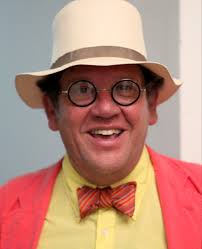
Philippe Daverio was a unique figure in the world of art and culture, a man whose intellectual curiosity and distinctive style made him a household name in Italy and beyond. Born on October 17, 1949, in Mulhouse, Alsace, France, Daverio’s life was marked by an eclectic mix of roles—art critic, historian, television presenter, and political figure. His contributions to the arts and his ability to make culture accessible to the broader public solidified his place as a cultural icon. This article explores the life of Philippe Daverio, examining his age, the fame he garnered throughout his career, and the key highlights that define his legacy.
Early Life and Education
Philippe Daverio was born into a multicultural family; his mother, Aurelia Hauss, was Alsatian, and his father, Napoleone Daverio, was an Italian construction entrepreneur. Growing up as the fourth of six children, Daverio was exposed to a blend of cultures and languages from a young age. This bicultural background played a significant role in shaping his worldview and his approach to art and culture.
Daverio’s early education was steeped in traditional values. He received a classical education at a boarding school, which emphasized the importance of discipline and intellectual rigor. After the family moved to Italy, Daverio attended the European School in Varese, where he continued to develop his academic interests.
Following his secondary education, Daverio enrolled at Bocconi University in Milan, one of Italy’s most prestigious institutions, to study Economics and Commerce. Although he completed all his coursework, Daverio never wrote his thesis, influenced by the 1968 student movement, which challenged traditional academic structures and emphasized learning for the sake of knowledge rather than for formal qualifications. This decision not to graduate was emblematic of Daverio’s non-conformist approach to life—a trait that would characterize his career.
The Birth of a Cultural Critic
Philippe Daverio’s entry into the art world was somewhat serendipitous. Although he had studied economics, his true passion lay in art, history, and culture. In the 1970s, he began to immerse himself in the study of art history, particularly focusing on the avant-garde movements that emerged between the two world wars. His expertise in this area led to several publications, including collaborative works like Opera grafica e vetraria in 1977 and Roma tra espressionismo barocco e pittura tonale in 1984.
Daverio’s career as an art dealer began in the 1980s, when he opened two galleries—one in Milan and another in New York. These galleries became hubs for contemporary art, showcasing works that challenged conventional aesthetics and pushed the boundaries of modern art. Through his galleries, Daverio played a crucial role in promoting emerging artists and introducing avant-garde art to a broader audience.
A Voice in Public Life: Television and Politics
While Philippe Daverio made his mark as an art dealer and historian, it was his role as a television presenter that brought him widespread fame. In 1999, Daverio began his television career as a special correspondent for the show Art’è on Rai Tre. His ability to communicate complex artistic concepts in a way that was engaging and accessible to the general public quickly made him a popular figure.
In 2001, Daverio launched Passepartout, a cultural program on Rai Tre that explored various aspects of art, architecture, and history. The show was a critical and commercial success, running for several years and establishing Daverio as one of Italy’s most beloved cultural commentators. His distinctive style—characterized by his bow ties, round glasses, and eloquent manner of speaking—became his trademark, making him an instantly recognizable figure on Italian television.
Daverio’s success on television was not limited to Passepartout. He went on to host several other programs, including Emporio Daverio on Rai 5, which further solidified his reputation as a cultural authority. His shows were noted for their depth of content, blending historical analysis with contemporary relevance, and making art and culture accessible to a broad audience.
In addition to his television career, Philippe Daverio also ventured into politics. From 1993 to 1997, he served as the Commissioner for Culture, Education, Leisure, and International Relations for the city of Milan under Mayor Marco Formentini. Though his tenure was marked by some controversies, including his alignment with the Northern League, a right-wing political party, Daverio’s contributions to the cultural landscape of Milan were significant. He played a key role in promoting the city’s cultural institutions and in organizing events that celebrated Milan’s artistic heritage.
Literary Contributions and Public Engagement
Beyond television and politics, Philippe Daverio was also a prolific writer and public intellectual. He authored numerous books on art and culture, many of which became bestsellers in Italy. His works include Il Museo Immaginato (2012), Il Secolo Lungo della Modernità (2012), and L’Arte di Guardare l’Arte (2012). These books reflected Daverio’s deep knowledge of art history and his ability to present complex ideas in a way that was both informative and accessible.
Daverio’s writing was characterized by a unique blend of scholarly insight and conversational tone, making his books appealing to both experts and general readers. He had a knack for connecting historical events and artistic movements to contemporary issues, offering readers new perspectives on the world around them.
In 2011, Philippe Daverio founded Save Italy, a cultural movement aimed at protecting Italy’s vast cultural heritage. The movement sought to raise awareness about the importance of preserving Italy’s artistic and historical landmarks, which were often threatened by neglect, poor management, or development projects. One of the movement’s most notable successes was the campaign against the construction of a landfill near Villa Adriana, a UNESCO World Heritage site. Thanks to the efforts of Save Italy and its supporters, the project was eventually abandoned, highlighting the power of collective action in safeguarding cultural heritage.
Daverio’s commitment to cultural preservation extended beyond Italy. He believed that Italy’s cultural heritage was not just the property of the Italian people, but of the entire world. This belief was reflected in the name of the movement, Save Italy, which used English to emphasize the global significance of Italy’s artistic and historical treasures.
Personal Life and Legacy
Philippe Daverio’s personal life was as eclectic as his professional career. He lived in Milan with his partner, Elena Gregori, with whom he had a son, Sebastiano. Despite his fame, Daverio was known for his humility and his deep commitment to his work. He was a man of many interests, from musicology to gastronomy, and his conversations were often peppered with references to a wide range of cultural and intellectual topics.
Daverio’s health began to decline in his later years, and he was diagnosed with a serious illness that ultimately led to his death on September 2, 2020, at the age of 70. His passing was widely mourned in Italy and beyond, with tributes pouring in from all corners of the cultural world. He was remembered not only for his contributions to art and culture but also for his passion, wit, and ability to inspire others.
Historical Context and Nuances
To understand Philippe Daverio’s impact, it’s important to consider the historical and cultural context in which he worked. Daverio’s career spanned several decades of significant change in Italy and the broader world. He came of age during the 1960s, a time of social and political upheaval, which influenced his worldview and his approach to art and culture. The student movements of the late 1960s, with their emphasis on challenging authority and rethinking traditional structures, left a lasting impression on Daverio, shaping his non-conformist attitude and his belief in the power of culture to effect change.
Daverio’s work as an art critic and historian was deeply informed by this historical context. He was particularly interested in the avant-garde movements of the early 20th century, which sought to break away from traditional forms of art and explore new ways of seeing the world. This interest in the avant-garde was reflected in his television programs, his writing, and his work as an art dealer, where he championed artists who challenged conventional aesthetics.
The Influence of Media and Public Perception
Philippe Daverio was a master of using media to engage with the public and promote his ideas about art and culture. His television programs were groundbreaking in their approach, blending entertainment with education and reaching a broad audience. Daverio’s ability to communicate complex ideas in a way that was both accessible and engaging was one of his greatest strengths, and it helped to demystify the world of art for many people.
However, Daverio’s success in the media also made him a target for criticism. His involvement in politics, particularly his alignment with the Northern League, drew criticism from some quarters, as did his outspoken views on contemporary cultural issues. Despite this, Daverio remained a beloved figure, admired for his passion, his intellect, and his commitment to promoting culture.
Conclusion
Philippe Daverio was a cultural force whose influence extended far beyond the world of art. He was a man who believed in the power of culture to change the world, and he dedicated his life to making art and history accessible to as many people as possible. Whether through his television programs, his writing, or his public activism, Daverio sought to inspire others to see the world through the lens of art and to appreciate the richness of human creativity.
Daverio’s legacy is one of curiosity, passion, and a deep commitment to culture. He leaves behind a body of work that continues to educate and inspire, and a legacy that will be remembered for years to come. In a world that is often dominated by the superficial and the ephemeral, Philippe Daverio’s life and work remind us of the enduring importance of art, history, and culture in shaping our understanding of the world and our place in it.


