
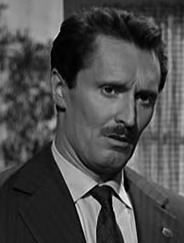
Pietro Germi, born on September 14, 1914, in Genoa, Italy, is one of the most influential figures in Italian cinema. As a director, screenwriter, and actor, Germi played a pivotal role in shaping the landscape of Italian film, particularly through his work in the post-war era. His films often explored themes of justice, social mores, and the complexities of human relationships, blending drama with sharp social commentary. This article provides a comprehensive overview of Germi’s life, his rise to fame, and the highlights of his illustrious career, while also examining the historical context and significance of his work.
Early Life and Entry into Cinema
Pietro Germi was born into a middle-class family in Genoa. From an early age, he showed an interest in the arts, particularly in film. This passion led him to pursue studies at the Centro Sperimentale di Cinematografia in Rome, one of Italy’s premier film schools, where he studied under the guidance of renowned director Alessandro Blasetti. This period of education was crucial in shaping Germi’s cinematic style and philosophy, as he was exposed to the technical and artistic aspects of filmmaking.
Germi’s career began modestly as an actor and screenwriter. His first appearance in film came in 1939 when he worked as a co-scenarist and actor in Retroscena. These early experiences in front of and behind the camera provided him with a solid foundation for his future work as a director. By the time he was 31, Germi was ready to make his directorial debut, a move that would mark the beginning of a prolific career.
Directorial Debut and Early Successes
Pietro Germi made his directorial debut in 1945 with Il Testimone, a film that set the tone for much of his early work. His films from this period often dealt with themes of justice and morality, reflecting the social and political upheavals of post-war Italy. Germi’s early works were characterized by a neorealistic style, focusing on the struggles and lives of ordinary people.
In 1947, Germi directed Gioventù Perduta (Lost Youth), a film that further established his reputation as a serious filmmaker. However, it was his 1949 film In Nome della Legge (In the Name of the Law) that truly marked his emergence as a significant figure in Italian cinema. In Nome della Legge was one of the first Italian films to tackle the subject of the Mafia, and it was both a critical and commercial success. The film’s portrayal of the conflict between law and organized crime resonated with audiences and critics alike, and it solidified Germi’s status as a director capable of addressing complex social issues through cinema.
The 1950s: A Period of Artistic Growth
The 1950s were a time of significant artistic growth for Pietro Germi. During this decade, he directed a series of films that demonstrated his versatility and deepening mastery of the cinematic medium. In 1950, he directed Il Cammino della Speranza (The Path of Hope), a film that won international acclaim, including a special mention at the Cannes Film Festival. The film, which tells the story of a group of Sicilian miners who embark on a dangerous journey to find work in France, highlighted Germi’s ability to combine social commentary with compelling storytelling.
In 1952, Germi directed Il Brigante di Tacca del Lupo (The Bandit of Tacca del Lupo), a historical drama set in the aftermath of Italian unification. The film, starring Amedeo Nazzari, was another critical success and further showcased Germi’s talent for blending drama with historical and social themes.
Perhaps one of Germi’s most personal films from this period is Il Ferroviere (The Railroad Man), released in 1956. The film tells the story of a working-class railwayman and his troubled relationship with his family. Il Ferroviere is often regarded as one of Germi’s masterpieces, and it is notable for its intimate portrayal of the struggles of ordinary people. The film was praised for its emotional depth and realism, qualities that became hallmarks of Germi’s work.
In 1959, Germi directed Un Maledetto Imbroglio (The Facts of Murder), an adaptation of Carlo Emilio Gadda’s novel Quer Pasticciaccio Brutto de Via Merulana. This film is considered one of the first Italian crime dramas, or “giallo” films, and it was highly praised for its intricate plot and strong performances. The film was also admired by intellectuals such as Pier Paolo Pasolini, who appreciated its exploration of moral and ethical dilemmas.
Transition to Comedy: The Birth of the “Commedia all’Italiana”
In the early 1960s, Pietro Germi made a significant shift in his career by transitioning to comedy. This move was somewhat unexpected, given his previous focus on serious dramas, but it proved to be a turning point that would lead to some of his most famous and enduring work. Germi’s comedies were not lighthearted or frivolous; instead, they were sharp satires that critiqued Italian society, particularly its hypocrisies and outdated moral codes.
The most notable film from this period is Divorzio all’Italiana (Divorce Italian Style), released in 1961. The film starred Marcello Mastroianni as a Sicilian nobleman who schemes to rid himself of his wife so he can marry his young cousin, played by Stefania Sandrelli. The film’s dark humor and biting social commentary were groundbreaking, and it introduced the world to the genre known as “Commedia all’Italiana” or “Italian-style comedy.” Divorzio all’Italiana was a critical and commercial success, earning Germi an Academy Award for Best Original Screenplay and nominations for Best Director and Best Actor.
Germi continued to explore social issues through comedy in films such as Sedotta e Abbandonata (Seduced and Abandoned) in 1964 and Signore e Signori (The Birds, the Bees, and the Italians) in 1965. Sedotta e Abbandonata dealt with the theme of honor and societal expectations in Sicily, while Signore e Signori offered a satirical look at the bourgeoisie in a small Italian town. The latter film won the Palme d’Or at the Cannes Film Festival, further establishing Germi as a master of satirical comedy.
Later Career and Legacy
In the late 1960s and early 1970s, Pietro Germi continued to produce films that reflected his unique blend of humor and social critique. In 1968, he directed Serafino, starring Adriano Celentano, which was a huge box-office success. The film, set in the Italian countryside, explored the clash between traditional values and modernity, a recurring theme in Germi’s work.
In 1970, Germi directed Le Castagne Sono Buone (The Chestnuts Are Good), a film that was less well-received by critics but still demonstrated his ongoing commitment to exploring social issues through film. His final completed film was Alfredo, Alfredo in 1972, starring Dustin Hoffman and Stefania Sandrelli. The film, which dealt with the trials and tribulations of marriage, continued Germi’s exploration of personal and social conflict.
Pietro Germi passed away on December 5, 1974, from cirrhosis of the liver, a condition that had plagued him for some time. At the time of his death, Germi was working on what would have been his next project, Amici Miei (My Friends). The film was eventually completed by Mario Monicelli and released in 1975, dedicated to Germi’s memory. Amici Miei became a classic of Italian cinema, reflecting the humor and humanity that were central to Germi’s work.
Historical Context and Significance
Pietro Germi’s work must be understood within the broader context of post-war Italian cinema. The period following World War II was one of significant social and political change in Italy, and the Italian film industry played a crucial role in reflecting and shaping public consciousness during this time. Directors like Germi, along with contemporaries such as Federico Fellini, Michelangelo Antonioni, and Vittorio De Sica, were instrumental in developing what is now known as Italian neorealism—a movement that sought to depict the realities of everyday life in a country recovering from the devastation of war.
While Germi’s early work was heavily influenced by neorealism, his later films, particularly his comedies, marked a departure from this style. Instead, they represented a new phase in Italian cinema, one that was more satirical and focused on critiquing the social and moral norms of the time. Germi’s comedies, in particular, offered a biting commentary on issues such as honor, marriage, and the hypocrisy of the bourgeoisie, all delivered with a sharp wit that resonated with audiences both in Italy and abroad.
Germi’s influence on Italian cinema cannot be overstated. He was a pioneer in blending social commentary with entertainment, and his films continue to be studied and admired for their insight into Italian society. His work paved the way for future generations of filmmakers, both in Italy and internationally, who have drawn inspiration from his ability to tackle serious subjects with humor and humanity.
Conclusion: The Enduring Legacy of Pietro Germi
Pietro Germi’s career is a testament to his versatility, creativity, and commitment to exploring the complexities of human society through film. From his early neorealist dramas to his later satirical comedies, Germi’s work consistently reflected a deep understanding of the human condition and a willingness to challenge the status quo. His films not only entertained but also provoked thought and discussion, making a lasting impact on audiences and the broader cinematic landscape.
As one of the leading figures in Italian cinema, Germi’s legacy continues to be felt today. His contributions to the development of the “Commedia all’Italiana” genre and his influence on subsequent generations of filmmakers have cemented his place in the pantheon of great directors. Pietro Germi’s films remain essential viewing for anyone interested in the history of cinema, offering timeless insights into the human experience through the lens of one of Italy’s most talented and visionary filmmakers.


