
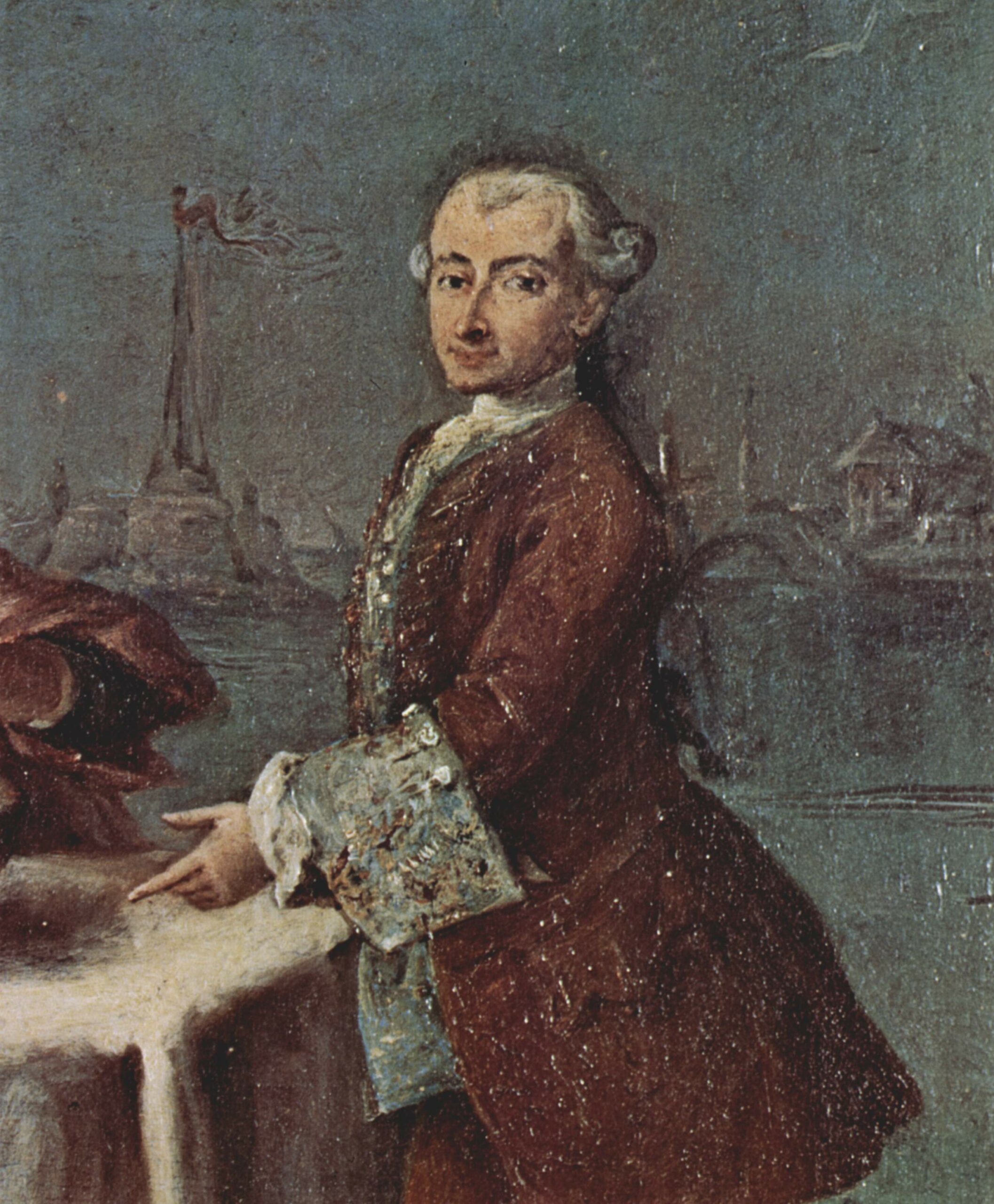
Pietro Longhi, born Pietro Falca on November 15, 1702, in Venice, Italy, is a name synonymous with the genre of Venetian painting that flourished in the 18th century. Known for his delicate and detailed depictions of everyday life in Venice, Longhi’s work offers a window into the social and cultural life of the time. His journey to becoming one of the most celebrated painters of his era is as fascinating as the scenes he painted. This article explores the life, fame, and highlights of Pietro Longhi, with insights into his artistic style, historical context, and enduring legacy.
Early Life and Artistic Beginnings
Pietro Longhi was born into a world brimming with artistic potential. From an early age, he demonstrated a natural aptitude for the arts. His father, recognizing his son’s talent, arranged for him to study under the guidance of Antonio Balestra, a prominent painter from Verona. Balestra’s influence on the young Longhi was profound, instilling in him the fundamentals of painting that would later define his career.
After several years of study under Balestra, Longhi was sent to Bologna, where he became a student of Giuseppe Crespi, also known as Lo Spagnoletto. Crespi was a master of genre painting, a style that would later become Longhi’s signature. During this period, Longhi was exposed to the works of artists like Crespi and Gambarini, whose scenes of everyday life left a lasting impression on him.
The Birth of Pietro Longhi’s Signature Style
By the early 1730s, Pietro Longhi began to establish his own identity as an artist. In 1730, he painted his first significant work, “San Pellegrino condannato al supplizio,” a religious piece that marked his early foray into painting. However, it was not until 1741 that Longhi truly found his calling. It was in this year that he began producing “genre” scenes—paintings that depicted the daily life of Venetians with an unprecedented level of detail and realism.
One of his earliest and most famous works in this genre is the “Concertino delle Gallerie dell’Accademia di Venezia,” a painting that captures a small, intimate concert scene. This painting is emblematic of Longhi’s style—marked by delicate brushwork, careful attention to detail, and a focus on the subtleties of human interaction.
The Rise to Fame
Pietro Longhi’s work quickly gained recognition for its unique approach to depicting Venetian life. Unlike many of his contemporaries who focused on grand historical or religious themes, Longhi chose to capture the everyday moments that often went unnoticed. This focus on the mundane and the intimate resonated with the people of Venice and beyond, earning him widespread acclaim.
In 1756, Longhi was admitted to the prestigious Accademia di Venezia, a testament to his growing reputation as one of the leading painters of his time. His works were celebrated for their ability to convey the essence of Venetian society—the elegance, the idiosyncrasies, and the underlying tensions of a city at the height of its cultural and economic power.
Artistic Style and Techniques
Pietro Longhi’s paintings are characterized by a delicate balance of color, light, and composition. His early works, influenced by his training under Balestra and Crespi, featured strong contrasts and vibrant colors. However, as his style matured, Longhi began to favor a more subtle approach. His later works are distinguished by their soft tonal gradations, gentle lighting, and the use of color to evoke mood rather than simply depict reality.
One of the most notable aspects of Longhi’s work is his use of light and shadow. His ability to capture the play of light on different surfaces and the way it interacts with the human form adds a layer of depth and realism to his paintings. This technique, combined with his meticulous attention to detail, allows Longhi to create scenes that are both visually striking and emotionally resonant.
Historical Context and Influence
To fully appreciate Pietro Longhi’s work, it is essential to understand the historical and cultural context in which he lived and worked. The 18th century was a time of significant change in Venice. The city, once a powerful maritime republic, was experiencing a period of decline. However, this decline was accompanied by a cultural renaissance, as the Venetian elite sought to preserve and celebrate their heritage through art, music, and literature.
Longhi’s paintings can be seen as a response to this cultural moment. His focus on the everyday lives of Venetians reflects a broader trend in 18th-century art, where artists sought to capture the realities of life rather than idealized versions of it. In this sense, Longhi’s work is both a product of its time and a commentary on it. His paintings offer a glimpse into the lives of the Venetian bourgeoisie, with their elaborate costumes, intricate social rituals, and the underlying anxieties of a society in transition.
Life Highlights and Personal Life
Pietro Longhi’s life was marked by both personal and professional achievements. In 1732, he married Caterina Maria Rizzi, with whom he had ten children. Despite the demands of his large family, Longhi continued to produce a significant body of work throughout his life.
One of the most significant milestones in Longhi’s career was the recognition he received from his contemporaries. Carlo Goldoni, a renowned playwright and a contemporary of Longhi, dedicated a sonnet to him, praising his ability to capture the truth of human nature through his art. This acknowledgment from one of Italy’s greatest literary figures highlights the impact Longhi had on the cultural landscape of his time.
Legacy and Enduring Influence
Pietro Longhi passed away on May 8, 1785, in Venice, leaving behind a legacy that continues to be celebrated to this day. His work provides a valuable record of 18th-century Venetian life, offering insights into the social dynamics, customs, and everyday experiences of the time.
Longhi’s influence extends beyond his own era. His paintings have been studied and admired by generations of artists and art historians for their technical mastery and their ability to convey the complexities of human interaction. In many ways, Longhi can be seen as a precursor to the Realist movement of the 19th century, which similarly sought to depict the realities of everyday life.
Conclusion
Pietro Longhi’s life and work offer a fascinating glimpse into the world of 18th-century Venice. His ability to capture the subtleties of human interaction and the nuances of social life in his paintings has earned him a place among the great masters of Venetian art. From his early days as a student of Balestra and Crespi to his rise as one of Venice’s most celebrated painters, Longhi’s journey is a testament to his talent, dedication, and the enduring power of art to reflect and shape the world around us.
As we continue to study and appreciate Longhi’s work, we gain not only a deeper understanding of his time but also valuable insights into the timeless nature of human experience. His paintings remind us that even in the most ordinary moments, there is beauty, complexity, and a story worth telling.


