
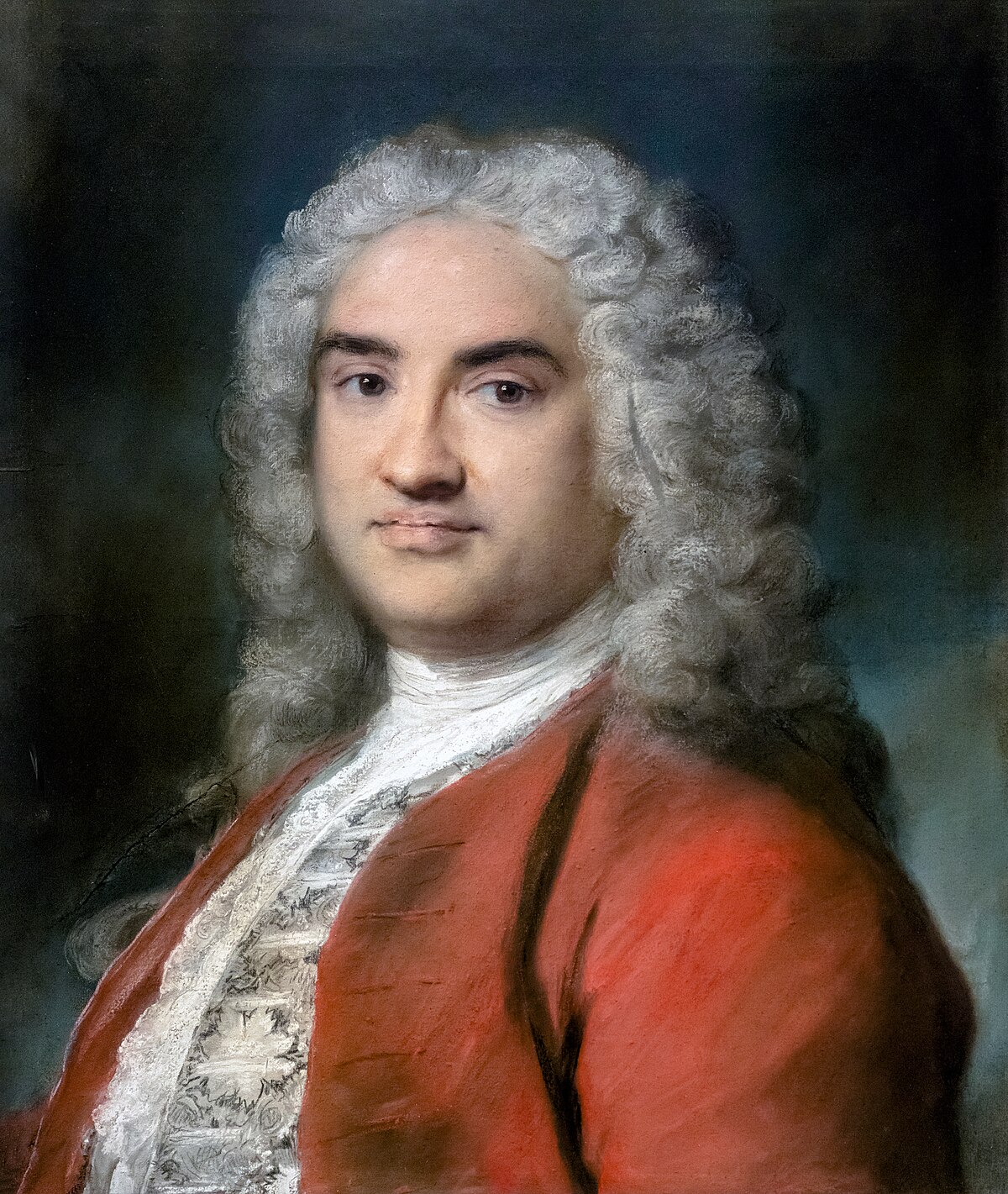
Pietro Verri, a pivotal figure in the Enlightenment era, was born on December 12, 1728, in Milan, Italy. He hailed from an influential family, with his father, Count Gabriele Verri, being a conservative politician and magistrate, and his mother, Barbara Dati della Somaglia, a noblewoman of Lombard descent. Pietro Verri’s life was marked by significant contributions to intellectual thought, political theory, and economic reforms, which have left a lasting legacy in Italian and European history.
Early Life and Education
Verri’s early education took place at the Jesuit College, a common choice for the sons of noble families at the time. The Jesuit education system was known for its rigorous academic discipline, which undoubtedly shaped Verri’s analytical and philosophical mind. However, his intellectual journey truly began when he joined the Accademia dei Trasformati in the 1750s. This academy was a hub for cultural and intellectual exchange, where Verri met prominent figures like Giuseppe Parini, a renowned Italian poet and satirist.
Military Service and Early Writings
In 1759, Verri enlisted in the Imperial Army and briefly participated in the Seven Years’ War. His military service was short-lived, but it provided him with a broader perspective on European affairs. After leaving the army, Verri settled in Vienna, where he wrote his first significant work, “Considerazioni sul commercio nello Stato di Milano” (Considerations on Commerce in the State of Milan). This text highlighted his growing interest in economics and governance, earning him a governmental position within the Austrian Empire.
The Accademia dei Pugni and the Birth of “Il Caffè”
Upon his return to Milan in 1761, Verri, along with his brother Alessandro and friends Luigi Lambertenghi, Giambattista Biffi, Pietro Secchi, Alfonso Longo, and Cesare Beccaria, founded the Accademia dei Pugni. This academy became a hotbed for Enlightenment thought, advocating for political, social, and economic reforms. In 1764, the academy launched “Il Caffè”, a periodical that became a cornerstone of Enlightenment literature in Italy. The publication, named after the increasing popularity of coffeehouses as centers for free social, political, and cultural debate, was issued every ten days and covered various topics ranging from commerce to literature.
Verri contributed numerous articles to “Il Caffè,” including “La commedia,” “Su i parolai,” “Elementi del commercio,” and “La medicina.” These writings reflect his wide-ranging interests and his commitment to advancing the Enlightenment ideals of reason, progress, and liberty.
Correspondence with Enlightenment Thinkers
Verri was not only active within the Italian intellectual community but also engaged with leading European thinkers of the time. He corresponded with figures such as Denis Diderot, Baron d’Holbach, Voltaire, and Jean Baptiste Le Rond d’Alembert. These exchanges allowed Verri to contribute to and influence the broader European Enlightenment movement. D’Alembert even traveled to Milan specifically to meet with Verri and the other members of the “Il Caffè” circle, further cementing Verri’s status as a key player in the Enlightenment.
Political Career and Economic Theories
In addition to his intellectual pursuits, Verri was deeply involved in the political life of Milan. In 1764, he was appointed to the Supreme Council of Economy, where he worked alongside Gian Rinaldo Carli, a collaborator of “Il Caffè.” During his tenure, Verri focused on economic reforms and policy development, which culminated in his seminal work, “Meditazioni sull’economia politica” (Meditations on Political Economy), published in 1771.
In this work, Verri articulated the principles of supply and demand, championed free trade, and underscored the importance of money as a universal commodity. He argued that the adjustments in Gross Domestic Product (GDP), rather than exchange rates, were key to maintaining balance in the balance of payments. Verri believed that only through free competition could a fair distribution of private property be achieved, although he also recognized that small property ownership could help prevent the exacerbation of social inequalities.
Contributions to Philosophy and Social Thought
Verri’s intellectual contributions were not confined to economics. In 1773, he published the “Discorso sull’indole del piacere e del dolore” (Discourse on the Nature of Pleasure and Pain), a philosophical treatise that anticipated ideas later explored by the Italian poet and philosopher Giacomo Leopardi. Drawing on the sensualist philosophy of Étienne Bonnot de Condillac and Claude-Adrien Helvétius, Verri posited that human activity is fundamentally driven by the pursuit of pleasure and happiness. However, he also noted that this pursuit is inherently linked to the experience of pain, as the cessation of pain is what gives rise to pleasure. For Verri, true happiness was not merely a personal joy but a collective well-being, akin to the concept of ataraxia, or tranquility, in ancient Greek philosophy.
Later Life and Legacy
As Verri’s intellectual and political influence grew, so did his involvement in social reform. In 1777, he co-founded the Società Patriottica Milanese (Milanese Patriotic Society) alongside Cesare Beccaria and others. This society aimed to promote agricultural and economic development in Milan, further reflecting Verri’s commitment to the betterment of society through Enlightenment principles.
However, the political landscape in Milan began to shift with the ascension of Joseph II to the Austrian throne. The new emperor’s policies led to a gradual reduction in the space available for Milanese reformists like Verri. Disillusioned with the political direction of the Austrian Empire, Verri retired from all public offices in 1786, following the publication of his “Storia di Milano” (History of Milan) in 1783.
Despite his withdrawal from public life, Verri remained engaged in the intellectual and political debates of his time. In 1796, as Napoleon Bonaparte’s forces entered Italy, Verri, then nearly seventy years old, participated in the establishment of the Cisalpine Republic, a client state of the French Republic. This final act of political engagement underscored Verri’s enduring commitment to the ideals of liberty and reform.
Pietro Verri passed away on June 28, 1797, in Milan, while attending a nighttime meeting of the municipal council. His remains were interred in the family chapel in Ornago, Brianza.
Historical Impact and Modern Relevance
Pietro Verri’s life and work exemplify the spirit of the Enlightenment, characterized by a relentless pursuit of knowledge, reform, and human progress. His contributions to economic theory, particularly his early articulation of the laws of supply and demand, laid the groundwork for later developments in classical economics. Moreover, his writings on pleasure and pain continue to influence modern philosophical discussions on human nature and well-being.
In the context of Italian history, Verri’s efforts to promote social, political, and economic reforms during a period of significant change have left a lasting legacy. His work with “Il Caffè” and the Accademia dei Pugni helped to shape the intellectual landscape of Italy, fostering a culture of critical inquiry and debate that would influence future generations of thinkers and reformers.
Today, Pietro Verri is remembered not only as a leading figure of the Italian Enlightenment but also as a pioneer in the fields of economics, philosophy, and social reform. His life’s work continues to resonate, offering valuable insights into the challenges and possibilities of building a more just and equitable society.


