
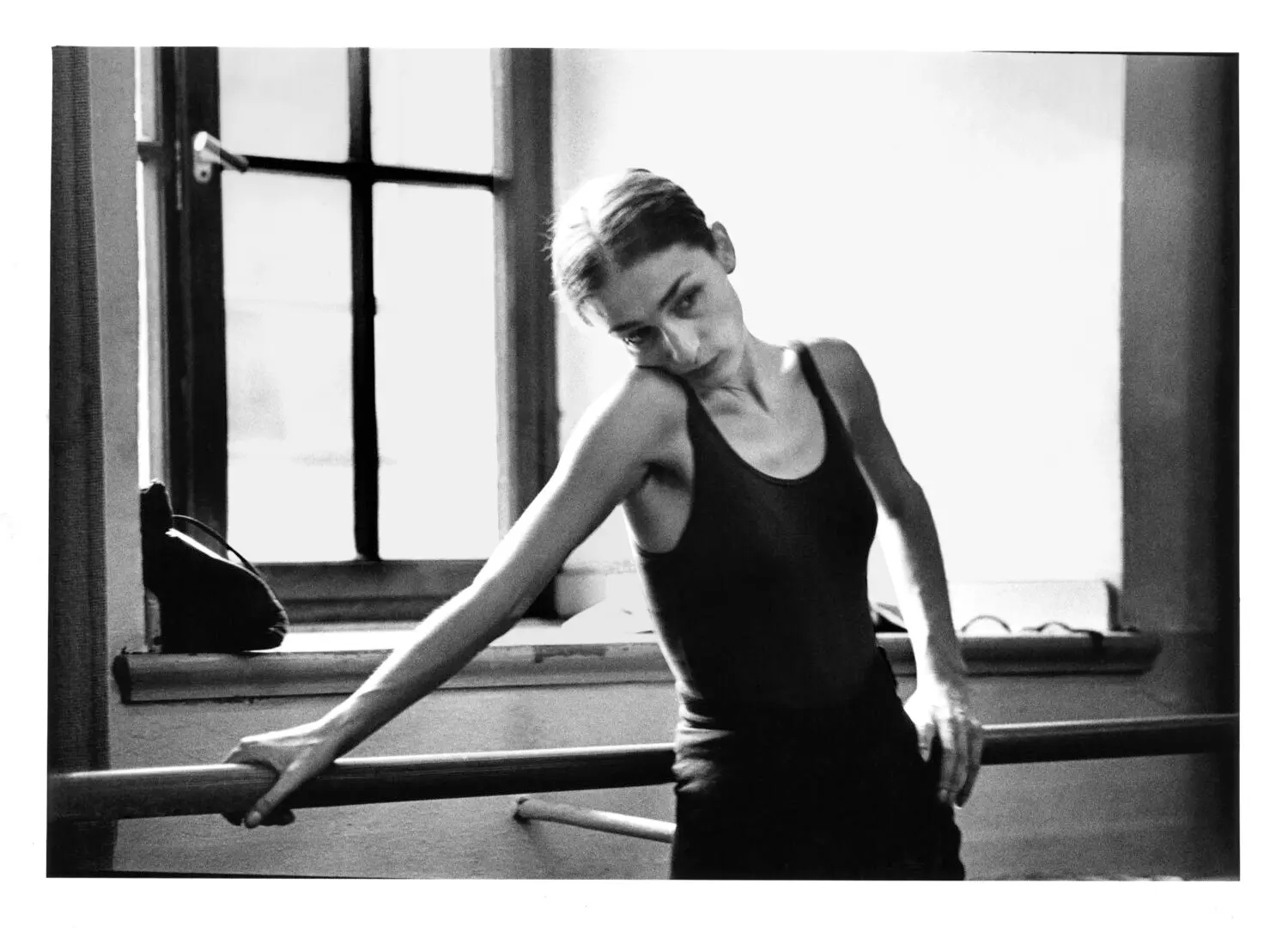
Pina Bausch, born Philippine Bausch on July 27, 1940, in Solingen, Germany, is celebrated as one of the most influential choreographers in the history of dance. Leading the Tanztheater Wuppertal Pina Bausch from 1973 until her death in 2009, Bausch was a pioneering force in the development of “dance theater,” an innovative blend of dance and theatrical performance that broke conventional boundaries and redefined the art form. This article delves into Bausch’s age, her rise to fame, and the significant highlights of her career, providing detailed insights and explanations.
Early Life and Education
Pina Bausch’s journey into the world of dance began in a modest setting. Growing up, she worked in her father’s restaurant, helping out with various tasks. Despite her early aspirations to dance, opportunities for formal training were scarce in her hometown. At the age of 15, she enrolled at the Folkwang Hochschule in Essen, under the tutelage of Kurt Jooss, a significant figure in the Ausdruckstanz (expressionist dance) movement.
Bausch’s talent quickly became evident, and by 1959, she had graduated and earned a scholarship from the Deutscher Akademischer Austauschdienst (DAAD) to study in the United States. At the Juilliard School of Music in New York, she trained with renowned teachers such as Antony Tudor, José Limón, Louis Horst, and Paul Taylor. During her time in the U.S., she performed with the Paul Sanasardo and Donya Feuer Dance Company, the New American Ballet, and the Metropolitan Opera Ballet.
Career Beginnings and Early Works
In 1962, Kurt Jooss invited Bausch to return to Germany to join his newly reformed Folkwang Ballet as a soloist. However, the transition back to Germany was challenging, and Bausch initially struggled to adapt. Despite these difficulties, she continued to develop her unique choreographic voice.
By 1968, Bausch had begun creating her own works as the choreographer for the Folkwang Ballet. Her early compositions, such as “Im Wind der Zeit” (1969), demonstrated her emerging style, which combined expressive movement with theatrical elements. This piece won first place at the Composition Competition in Cologne, marking the beginning of her recognition in the dance world.
Formation of Tanztheater Wuppertal and Artistic Breakthrough
In 1973, Bausch was invited to take over the directorship of the Wuppertal Opera Ballet, soon renamed Tanztheater Wuppertal Pina Bausch. This period marked the birth of the “dance theater” (Tanztheater) genre, which seamlessly integrated dance, speech, music, and stage design. Collaborating with scenographer Rolf Borzik and dancers such as Dominique Mercy, Jan Minarik, and Malou Airaudo, Bausch began to create groundbreaking works that challenged traditional notions of ballet and modern dance.
One of her early masterpieces, “Café Müller” (1978), is a poignant exploration of human emotions and relationships set in a café. Featuring music by Henry Purcell and Bausch herself as a performer, the piece incorporated gestures, spoken word, and everyday movements, creating a visceral and evocative experience. This work exemplified her innovative approach and became a hallmark of her style.
Notable Works and International Recognition
Bausch’s body of work includes numerous iconic pieces that have left a lasting impact on the world of dance. Her reinterpretations of classical music compositions, such as “Orpheus und Eurydike” (1975) set to Gluck’s opera and the Stravinsky trilogy “Frühlingsopfer” (1975) with “Wind von West,” “Der zweite Frühling,” and “Le Sacre du printemps,” are notable examples of her ability to blend music, dance, and theater into cohesive and powerful narratives.
Another significant work, “Nelken” (1982), is known for its vivid imagery and the use of a large stage covered with thousands of pink carnations. This piece, like many of Bausch’s works, explores themes of memory, loss, and human vulnerability.
Bausch’s contributions to the arts were recognized internationally, and her company performed in major cities worldwide, including Rome, Palermo, Madrid, Vienna, Los Angeles, Hong Kong, and Lisbon. Her innovative approach earned her numerous accolades and established her as a leading figure in contemporary dance.
Personal Life and Collaborations
Pina Bausch’s personal life was closely intertwined with her artistic endeavors. She was initially married to Rolf Borzik, her scenographer and costume designer, who passed away in 1980. Bausch later formed a lifelong partnership with Ronald Kay, with whom she had a son, Salomon.
Throughout her career, Bausch collaborated with many artists across various disciplines. Her works often involved input from dancers, musicians, and visual artists, creating rich, multidimensional performances. Her ability to draw inspiration from diverse sources and integrate them into her choreography was a testament to her creative genius.
Later Works and Legacy
In the later years of her career, Bausch continued to create works that captivated audiences and critics alike. Notable pieces from this period include “Two Cigarettes in the Dark” (1984), “Viktor” (1986), “Ahnen” (1987), “Nur Du” (1996), “Der Fensterputzer” (1997), and “Masurca Fogo” (1998). These works further developed her exploration of human experience, incorporating elements of nature, daily life, and cultural motifs.
Bausch’s final completed work, “Sweet Mambo” (2008), continued to reflect her distinct style and thematic concerns. In 2009, she began collaborating on a 3D film project with director Wim Wenders, but the project was halted by her untimely death from cancer on June 30, 2009, in Wuppertal.
The film, titled “Pina,” was eventually completed and released in 2011, receiving critical acclaim and serving as a tribute to Bausch’s extraordinary contributions to dance and theater. The film’s presentation at the 61st Berlin International Film Festival highlighted her enduring influence on the arts.
Historical Context and Influence
Pina Bausch’s work must be understood within the broader context of 20th-century modern and contemporary dance. Her unique approach, which emphasized the expressive potential of the human body and the integration of theatrical elements, represented a departure from the formalism of classical ballet and the abstraction of early modern dance. Bausch’s choreography often addressed complex themes such as love, death, power, and the human condition, resonating deeply with audiences worldwide.
Bausch’s influence extends beyond dance into theater, film, and visual arts. Her collaborations with filmmakers like Federico Fellini in “And the Ship Sails On” (1983) and her participation in the long-form film “Die Klage der Kaiserin” (1989) demonstrate her impact on the cinematic world. Her work has inspired generations of choreographers and performers, shaping the evolution of contemporary dance.
Conclusion
Pina Bausch’s life and career are a testament to her visionary approach to dance and theater. From her early struggles and training to her groundbreaking work with Tanztheater Wuppertal, Bausch consistently pushed the boundaries of artistic expression. Her innovative fusion of dance and theater created a new language of movement that continues to inspire and influence artists around the world.
Bausch’s legacy is characterized by her deep understanding of the human experience and her ability to translate complex emotions into powerful, evocative performances. Her contributions to the arts have left an indelible mark on the cultural landscape, ensuring that her influence will be felt for generations to come.


