
Introduction
Pino Pascali, born on October 19, 1935, in Bari, Italy, was a revolutionary figure in the world of contemporary art, particularly within the Arte Povera movement. His career, although tragically short, left an indelible mark on the art world. Known for his innovative use of materials and playful yet profound artistic expressions, Pascali’s work continues to inspire and challenge artists and critics alike. This article explores the life, fame, and key highlights of Pino Pascali, providing a deep dive into his artistic journey and the cultural context that shaped his unique vision.
Early Life and Artistic Beginnings
Childhood and Education
Pino Pascali’s early life was marked by movement and adaptation. Born in Bari, Pascali’s family briefly relocated to Tirana, Albania, before settling in Polignano a Mare, a small coastal town near Bari. This Mediterranean environment profoundly influenced Pascali’s later work, infusing his art with a deep connection to nature and the sea. His childhood in Polignano a Mare, surrounded by the rugged beauty of the Adriatic coast, fostered a lifelong fascination with the natural world, which would later become a central theme in his sculptures and installations.
Pascali’s formal education began in Bari, but his passion for the arts soon led him to Naples, where he pursued studies in artistic disciplines. His early exposure to different cultures and environments contributed to the eclectic nature of his work, blending elements from various traditions and perspectives.
Rome: The Turning Point
In 1956, Pascali made a pivotal decision to move to Rome, where he enrolled in the Accademia di Belle Arti (Academy of Fine Arts). Under the tutelage of Toti Scialoja, a prominent figure in Italian art, Pascali studied scenography, a field that combines elements of set design, painting, and sculpture. The vibrant artistic community in Rome during the 1950s provided Pascali with the perfect environment to develop his skills and establish connections with other emerging artists.
Rome in the 1950s was a hub of artistic innovation, with movements like Abstract Expressionism and Pop Art influencing local artists. Pascali immersed himself in this dynamic environment, attending exhibitions, participating in discussions, and forging friendships with other artists who were pushing the boundaries of traditional art forms. It was during this time that Pascali became associated with the “Gruppo di Piazza del Popolo,” a collective of artists known for their radical approaches to art.
The 1960s: Artistic Innovation and Recognition
Emergence as an Artist
Pino Pascali’s artistic career began in earnest in the early 1960s, a period marked by experimentation and bold new ideas in the art world. His work from this time reflects the influence of American Pop Art, but with a distinctly Italian twist. Pascali was particularly drawn to the idea of blending high art with popular culture, creating pieces that were both accessible and intellectually challenging.
Pascali’s first major solo exhibition took place in 1965 at the Galleria La Tartaruga in Rome, a venue known for showcasing cutting-edge contemporary art. This exhibition was a turning point in his career, bringing him to the attention of the broader art community and establishing him as a significant figure in the Italian art scene.
Innovative Techniques and Materials
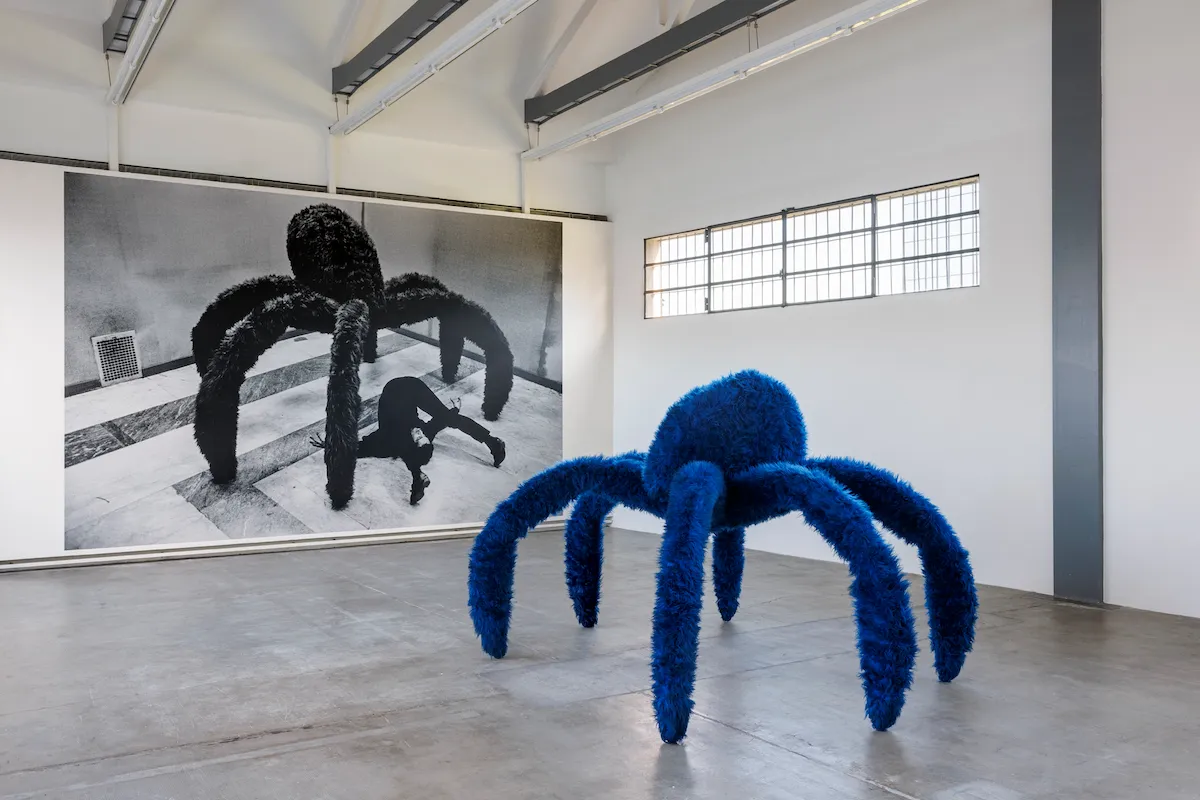
One of the hallmarks of Pascali’s work was his use of unconventional materials. Unlike many of his contemporaries, who favored traditional media like oil paint and marble, Pascali experimented with materials such as steel wool, straw, wood, and canvas. This approach aligned him with the emerging Arte Povera movement, which sought to challenge the elitism of the art world by using “poor” or everyday materials.
Pascali’s sculptures often had a playful, almost childlike quality to them, reflecting his belief that art should engage the viewer on a visceral level. He created pieces that resembled oversized toys or primitive tools, blurring the line between art and object. This approach was revolutionary at the time and helped to redefine the boundaries of sculpture.
Key Works and Exhibitions
Some of Pascali’s most famous works from this period include “Cannone Semovente” (Self-propelled Cannon), a life-sized replica of a military cannon made from lightweight materials, and “Ponte” (Bridge), a series of minimalist sculptures that evoke the shapes of ancient Roman aqueducts. These works, while seemingly simple, are rich in meaning, exploring themes of war, history, and the relationship between man and nature.
In 1967, Pascali participated in the 34th Venice Biennale, one of the most prestigious art exhibitions in the world. His contributions included a series of works that explored the natural world through abstract forms, such as “Canali di Irrigazione” (Irrigation Canals) and “Campi Arati” (Plowed Fields). These pieces were praised for their originality and their ability to evoke the Italian landscape in a modern, abstract language.
Pascali’s work during this time was characterized by a deep connection to the physical world, whether through his use of natural materials or his references to the land and sea. This connection to nature set him apart from many of his contemporaries and established him as a unique voice in the art world.
The Late 1960s: Fame and Tragic End
International Recognition
By the late 1960s, Pino Pascali had achieved significant recognition both in Italy and abroad. His work was increasingly being exhibited in international galleries, and he was seen as a leading figure in the Arte Povera movement. In 1967, Pascali had his first solo exhibition outside of Italy, at the Galleria Thelen in Essen, Germany. This exhibition marked a new phase in his career, as his work began to attract attention from critics and collectors around the world.
Pascali’s international success was a testament to the universal appeal of his work. While deeply rooted in Italian culture, his art spoke to broader themes of humanity, nature, and the passage of time. His ability to convey complex ideas through simple, everyday materials resonated with audiences across cultural boundaries.
Tragic Death
Tragically, Pascali’s life was cut short on September 11, 1968, when he died in a motorcycle accident in Rome. He was just 32 years old. His untimely death sent shockwaves through the art world, cutting short a career that was still on the rise. Despite his brief life, Pascali’s impact on contemporary art was profound, and his work continues to be celebrated and studied today.
The loss of Pascali at such a young age was a devastating blow to the art community, which had just begun to fully appreciate his talents. His death also marked the end of a particularly vibrant period in Italian art, as the 1960s gave way to the more politically charged atmosphere of the 1970s.
Legacy and Influence
Posthumous Recognition
In the years following his death, Pino Pascali’s work has continued to gain recognition and appreciation. His contributions to the Arte Povera movement and his innovative use of materials have earned him a place among the most important Italian artists of the 20th century. In 1969, just a year after his death, Pascali was posthumously awarded the prestigious International Prize for Sculpture.
Pascali’s legacy is also preserved through the Pino Pascali Foundation, established in his hometown of Polignano a Mare. The foundation, which includes a museum dedicated to his work, has become a center for contemporary art in Italy, hosting exhibitions, events, and educational programs. The Pino Pascali Prize, awarded annually to artists who embody the spirit of innovation and creativity that Pascali represented, is one of the most respected awards in the Italian art world.
Enduring Influence
Pino Pascali’s influence extends far beyond the immediate circle of his contemporaries. His work has inspired generations of artists who seek to push the boundaries of what art can be. The playful, experimental approach that characterized his work is evident in the practices of many contemporary artists who continue to explore the potential of unconventional materials and methods.
Moreover, Pascali’s deep connection to the natural world and his ability to convey complex ideas through simple forms have made him a model for artists who wish to engage with environmental and social issues through their work. His art, which often drew on the imagery of the sea, the land, and ancient cultures, continues to resonate in a world increasingly concerned with ecological and cultural preservation.
Conclusion
Pino Pascali was more than just an artist; he was a visionary who saw the potential for beauty and meaning in the everyday. His work, characterized by its innovative use of materials and its deep connection to the natural world, has left an enduring legacy in the world of contemporary art. Though his life was tragically short, the impact of his work continues to be felt today, inspiring new generations of artists to explore, experiment, and engage with the world around them. Pascali’s story is one of creativity, innovation, and a profound love for art, making him a timeless figure in the history of modern art.


