
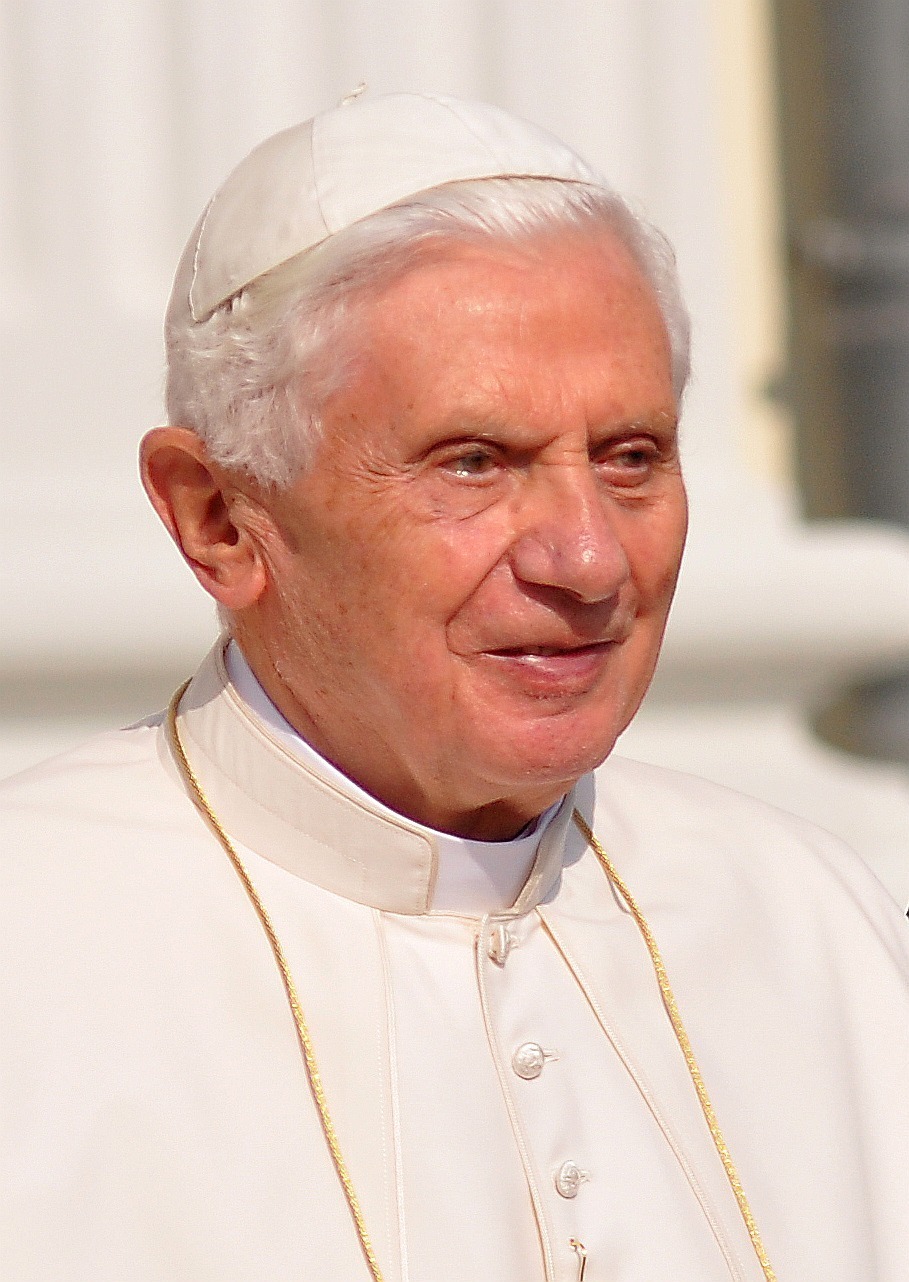
Pope Benedict XVI, born Joseph Aloisius Ratzinger on April 16, 1927, in Marktl am Inn, Germany, was a pivotal figure in the Catholic Church, particularly known for his theological acumen and conservative stance on various issues. His life, marked by significant events and contributions to the Church, culminated in his papacy, which began in 2005 and ended with his unprecedented resignation in 2013. This article delves into the life, age, fame, and key highlights of Pope Benedict XVI, exploring the nuances of his theological contributions, historical context, and the impact of his papacy on the Catholic Church.
Early Life and Education
Joseph Ratzinger was born into a devout Catholic family in Bavaria, a region with a rich Catholic heritage. His father, a police officer, and his mother, a homemaker, instilled in him the values of faith and discipline. Despite the modest means of his family, Ratzinger’s parents ensured he received a solid education, which included both secular and religious instruction. His early life was deeply influenced by the socio-political environment of Germany during the interwar period, including the rise of the Nazi regime.
As a young man, Ratzinger was conscripted into the Nazi youth movement, a compulsory organization at the time, but he was never an ardent supporter of the regime. His experiences during World War II, including being drafted into the anti-aircraft corps and later into the German infantry, deeply affected him and reinforced his commitment to the Church.
After the war, Ratzinger pursued his theological studies, enrolling at the University of Munich and later at the Higher School of Philosophy and Theology of Freising. His academic work was characterized by a deep engagement with both philosophy and theology, with a particular focus on the works of Saint Augustine and other early Church Fathers. Ratzinger’s intellectual rigor and commitment to the Church’s teachings were evident even in these early years, laying the foundation for his future role as a leading theologian and Church leader.
Rise within the Catholic Church
Ratzinger’s ecclesiastical career began in earnest when he was ordained a priest on June 29, 1951. His early ministry was marked by a strong emphasis on pastoral care and theological education. He quickly became known for his scholarly work, particularly his theological writings, which earned him a reputation as one of the most important Catholic theologians of his generation.
In 1962, Ratzinger gained international recognition as a theological advisor during the Second Vatican Council, where he played a key role in shaping the Church’s approach to modernity. His work at the Council highlighted his ability to balance tradition with the need for renewal, a theme that would define much of his later work.
By the late 1960s, Ratzinger had become a full professor of dogmatics and the history of dogma at the University of Tübingen, where he continued to develop his theological ideas. However, the social upheavals of the 1960s and 1970s, particularly the student protests and the challenges to Church authority, led Ratzinger to adopt a more conservative stance. This shift was reflected in his writings and teachings, where he increasingly emphasized the importance of upholding the Church’s traditional doctrines in the face of modern challenges.
Cardinal Ratzinger and His Influence on the Church
In 1977, Ratzinger was appointed Archbishop of Munich and Freising by Pope Paul VI, and shortly thereafter, he was elevated to the rank of cardinal. His appointment as a cardinal marked the beginning of his direct influence on the global Church. As a cardinal, Ratzinger was a close collaborator of Pope John Paul II, who appointed him Prefect of the Congregation for the Doctrine of the Faith (CDF) in 1981. In this role, Ratzinger was responsible for safeguarding the Church’s doctrinal purity, a task he approached with characteristic rigor.
During his tenure at the CDF, Ratzinger became known for his strict defense of Catholic doctrine, particularly in the areas of bioethics, liberation theology, and ecumenism. He was instrumental in addressing issues related to the secularization of society and the need for the Church to remain steadfast in its teachings. His work often attracted criticism from more liberal theologians and members of the Church, but it also earned him the respect of those who valued doctrinal clarity and consistency.
Ratzinger’s influence extended beyond doctrinal matters; he was also deeply involved in the Church’s response to the sexual abuse crisis that emerged in the late 20th century. Although his handling of these cases has been a subject of controversy, Ratzinger was one of the first senior Church officials to recognize the gravity of the situation and to push for more stringent measures to address the issue.
Papacy of Benedict XVI
On April 19, 2005, following the death of Pope John Paul II, Joseph Ratzinger was elected as the 265th pope of the Catholic Church, taking the name Benedict XVI. His election came at a time of significant challenges for the Church, including ongoing sexual abuse scandals, declining church attendance in the Western world, and increasing secularization.
One of the first significant acts of Benedict XVI’s papacy was the choice of his papal name, Benedict, after Pope Benedict XV, who was known for his efforts to promote peace during World War I. This choice reflected Ratzinger’s own desire to promote peace and reconciliation within the Church and the wider world. His papacy was marked by a commitment to reasserting traditional Catholic values in a rapidly changing world.
Benedict XVI’s theological contributions during his papacy were significant. He authored three encyclicals: Deus Caritas Est (God is Love) in 2005, Spe Salvi (In Hope We Are Saved) in 2007, and Caritas in Veritate (Charity in Truth) in 2009. These documents emphasized the centrality of love, hope, and truth in the Christian life and addressed contemporary issues such as economic inequality, social justice, and the dangers of relativism.
Benedict XVI also sought to strengthen the Church’s liturgical practices, promoting a return to traditional forms of worship, including the Latin Mass. His efforts to reconcile with the Society of St. Pius X, a group that had broken away from the Church over liturgical reforms, were part of his broader goal to foster unity within the Church.
Despite these efforts, Benedict XVI’s papacy was not without controversy. His remarks on Islam in a 2006 speech at the University of Regensburg sparked protests in the Muslim world, highlighting the challenges of interfaith dialogue in a globalized world. Additionally, his handling of the sexual abuse crisis continued to be a source of criticism, particularly regarding his decisions during his time as head of the CDF.
Resignation and Later Life
On February 11, 2013, Benedict XVI made a historic announcement: he would resign from the papacy, citing his advanced age and declining health as reasons for his decision. His resignation, effective from February 28, 2013, made him the first pope to step down voluntarily in over 600 years, since Pope Gregory XII in 1415.
Benedict XVI’s resignation was a momentous event in the history of the Church, leading to widespread speculation about the reasons behind his decision and the future direction of the papacy. His decision was seen by many as a humble acknowledgment of his limitations, a move that set a new precedent for the papacy in the modern era.
After his resignation, Benedict XVI took the title of “Pope Emeritus” and lived in the Mater Ecclesiae Monastery within the Vatican. He remained largely out of the public eye, dedicating his time to prayer, reflection, and writing. Despite his retirement, Benedict XVI continued to influence the Church through his writings and occasional public statements.
Pope Benedict XVI passed away on December 31, 2022, at the age of 95. His death marked the end of an era for the Catholic Church, and his legacy continues to be a subject of discussion and debate within the Church and beyond.
Legacy and Impact on the Catholic Church
The legacy of Pope Benedict XVI is multifaceted, encompassing his contributions as a theologian, his role as a defender of Catholic doctrine, and his impact as a leader of the global Church. His papacy was characterized by a deep commitment to preserving the Church’s teachings in the face of modern challenges, as well as a desire to foster unity within the Church.
Benedict XVI’s theological writings, particularly his encyclicals, continue to be studied and discussed by scholars and theologians around the world. His emphasis on the importance of love, truth, and hope in the Christian life has had a lasting impact on the Church’s teaching and its approach to contemporary issues.
His decision to resign from the papacy also set a new precedent for future popes, demonstrating that the role of the pope is not only a position of authority but also one of service and humility. Benedict XVI’s resignation highlighted the importance of acknowledging one’s limitations and prioritizing the well-being of the Church.
However, Benedict XVI’s legacy is also marked by the controversies that arose during his time as pope, particularly regarding his handling of the sexual abuse crisis and his approach to interfaith relations. These issues continue to be a source of debate within the Church, reflecting the complexities of his papacy and the challenges he faced as a leader.
Conclusion: The Enduring Influence of Pope Benedict XVI
Pope Benedict XVI’s life and work have left a profound mark on the Catholic Church and the broader Christian community. His contributions as a theologian, his leadership as pope, and his decision to resign from the papacy all reflect his deep commitment to the Church and its mission in the world.
Benedict XVI’s legacy is one of intellectual rigor, spiritual depth, and a steadfast commitment to the teachings of the Church. His life and work continue to inspire and challenge Catholics around the world, and his influence on the Church will be felt for generations to come.
As the Church moves forward, the lessons of Benedict XVI’s papacy—his emphasis on the importance of tradition, his call for unity, and his recognition of the need for humility in leadership—will continue to resonate with those who seek to follow in his footsteps.


