
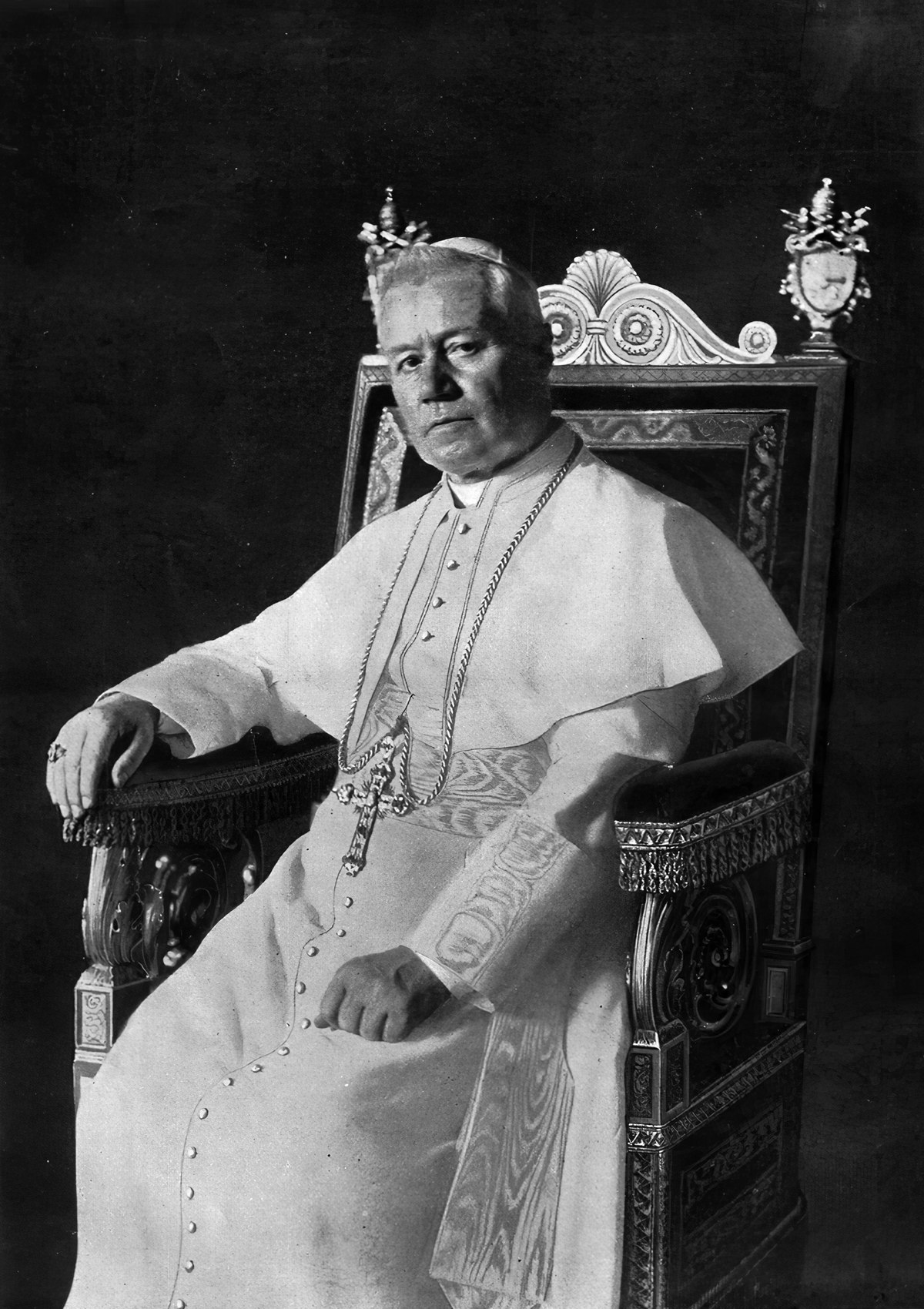
Pope Pius X, born Giuseppe Melchiorre Sarto on June 2, 1835, in Riese, Italy, is remembered as a pivotal figure in the Catholic Church, a man whose humility and dedication to religious doctrine shaped his papacy and left a lasting legacy. His life, marked by deep spiritual conviction and a commitment to pastoral care, culminated in his canonization as a saint in 1954. This article explores the age, fame, and life highlights of Pope Pius X, delving into the nuances of his papacy, his reforms, and the historical context in which he lived.
Early Life and Humble Beginnings
Giuseppe Sarto was born into a humble family in Riese, a small village in the province of Treviso, Italy. His father, Giovanni Battista Sarto, worked as a postman, and his mother, Margherita Sanson, was a seamstress. Despite their modest means, the Sarto family valued education and faith, instilling in young Giuseppe a strong sense of duty and devotion to the Church.
From an early age, Giuseppe showed an exceptional aptitude for learning. He attended school in the nearby town of Castelfranco Veneto, where he excelled in his studies. Recognizing his potential, the local parish priest and other benefactors supported his education, helping him to enter the seminary in Padua in 1850. His path to the priesthood was set, but it was not without its challenges. The Sarto family’s financial situation required young Giuseppe to contribute to household expenses, adding an additional burden to his already demanding studies.
Ordination and Early Ecclesiastical Career
Giuseppe Sarto was ordained as a priest on September 18, 1858, by the Bishop of Treviso, Giovanni Antonio Farina. His first assignment was as a chaplain in Tombolo, a small village near Treviso. It was here that Father Sarto began to demonstrate the pastoral care and dedication that would define his entire ecclesiastical career. He spent nine years in Tombolo, where he became well-known for his generosity, humility, and tireless work in the community.
In 1867, Sarto was appointed as the parish priest of Salzano, a larger parish with more complex challenges. The people of Salzano initially viewed him with skepticism due to his humble origins, but he quickly won them over with his commitment to improving their lives. Sarto was particularly concerned with the education of the poor and the spiritual well-being of his parishioners. His efforts included restoring the parish church, establishing a night school for adults, and providing assistance to those in need. His work in Salzano laid the groundwork for his later successes and demonstrated his deep understanding of the social and spiritual needs of the people.
Rise to the Episcopate and Patriarch of Venice
Giuseppe Sarto’s success as a parish priest did not go unnoticed. In 1875, he was appointed spiritual director of the seminary in Treviso, and later, in 1884, Pope Leo XIII named him Bishop of Mantua. The diocese of Mantua was facing significant challenges, including widespread poverty and a lack of trust in the Church. Bishop Sarto approached these issues with the same pastoral zeal that had characterized his earlier work. He visited every parish in the diocese, established a diocesan synod to address local problems, and took a personal interest in the education and formation of priests.
In 1893, Sarto was appointed Patriarch of Venice, one of the most prestigious positions in the Italian Church. As Patriarch, he continued his reformist work, focusing on the spiritual renewal of the clergy and the faithful. His leadership in Venice solidified his reputation as a man of deep faith and strong leadership, attributes that would later be recognized by the College of Cardinals.
Election to the Papacy
The death of Pope Leo XIII in 1903 marked the beginning of a pivotal moment in Giuseppe Sarto’s life. The subsequent conclave was marked by intense deliberation, and after several ballots, Cardinal Sarto was elected Pope on August 4, 1903. He chose the name Pius X, in honor of his predecessors who had “suffered” in their defense of the Church.
Pope Pius X’s election came as a surprise to some, as he had not sought the position and was known for his humility. He reportedly felt unworthy of the role, but his deep sense of duty compelled him to accept the papacy. His humility and reluctance only added to his stature, and he quickly became known as a Pope who was close to the people, a shepherd deeply concerned with the spiritual welfare of his flock.
Reforms and Major Contributions
Pope Pius X is perhaps best known for his efforts to reform the Church, particularly in the areas of liturgy, education, and Church law. His motto, “Instaurare omnia in Christo” (To restore all things in Christ), reflects his commitment to returning the Church to its spiritual roots and ensuring that it remained a beacon of faith in an increasingly secular world.
One of Pius X’s most significant reforms was the promotion of frequent Communion, especially for children. Before his papacy, it was common for Catholics to receive Communion infrequently, often only once a year. Pius X believed that the Eucharist was essential for spiritual growth and encouraged Catholics to receive Communion as often as possible. His decree “Quam singulari Christus amore” lowered the age of First Communion to around seven years, a practice that continues in the Church today.
Pius X also reformed the liturgy, emphasizing the importance of Gregorian chant and sacred music in the Mass. He sought to purify the liturgy from what he viewed as unnecessary innovations and to restore a sense of reverence and solemnity to the Church’s worship. His motu proprio Tra le sollecitudini in 1903 set the guidelines for Church music, underscoring the centrality of Gregorian chant and the role of the organ in worship.
In addition to his liturgical reforms, Pope Pius X undertook a comprehensive revision of canon law, which culminated in the promulgation of the 1917 Code of Canon Law, completed shortly after his death. This code, the first systematic and comprehensive codification of Church law, provided clear guidelines for the administration of the sacraments, the governance of the Church, and the rights and responsibilities of clergy and laity.
Theological and Doctrinal Stances
Pope Pius X was also a staunch defender of orthodox Catholic doctrine, particularly in his opposition to modernism, which he viewed as a dangerous heresy threatening the Church. Modernism, a movement that sought to reconcile Catholicism with modern thought and scientific discoveries, was seen by Pius X as undermining the foundations of faith. In 1907, he issued the encyclical Pascendi Dominici Gregis, which condemned modernism and outlined its errors. He also required all clergy to take the Anti-Modernist Oath, a measure that remained in place until the Second Vatican Council in the 1960s.
Pius X’s strong stance against modernism has been both praised and criticized. Supporters argue that he preserved the integrity of Catholic doctrine in a time of great intellectual upheaval, while critics contend that his rigid approach stifled theological development and dialogue. Regardless of these differing perspectives, it is clear that Pius X’s papacy was marked by a deep commitment to safeguarding the faith and ensuring that the Church remained true to its teachings.
Death and Canonization
Pope Pius X’s papacy was marked by his deep pastoral concern for the Church and his unwavering commitment to its spiritual renewal. However, his tenure as Pope was cut short by the outbreak of World War I, a conflict that deeply troubled him. Pius X reportedly said that the war was a punishment for the sins of the world, and he was deeply grieved by the suffering it caused.
On August 20, 1914, just a few weeks after the start of the war, Pope Pius X passed away. His death marked the end of a transformative papacy, one that had left an indelible mark on the Church. Pius X was widely mourned, and his legacy was quickly recognized. In 1951, he was beatified by Pope Pius XII, and in 1954, he was canonized as a saint, becoming the first Pope since Pius V in the 16th century to be canonized.
Legacy and Influence
The legacy of Pope Pius X is profound and multifaceted. His reforms in liturgy and Church law, his promotion of frequent Communion, and his defense of orthodox doctrine have all left a lasting impact on the Catholic Church. He is remembered as a Pope who was deeply concerned with the spiritual welfare of the Church, a shepherd who sought to guide his flock through turbulent times.
Pius X’s influence extends beyond the Catholic Church. His commitment to education, particularly in the formation of priests, helped to strengthen the Church’s intellectual foundation in the 20th century. His reforms in canon law provided a clearer and more systematic approach to Church governance, which has influenced subsequent developments in Church law and administration.
Pius X is also remembered for his personal holiness and humility. Despite his position as Pope, he remained close to the people, often visiting the sick and the poor in Rome. His canonization in 1954 was a recognition not only of his contributions to the Church but also of his deep personal piety and devotion.
Conclusion: Pope Pius X in Context
Pope Pius X lived during a time of significant social, political, and intellectual change. His papacy, marked by a commitment to spiritual renewal and doctrinal purity, reflects the challenges and opportunities of his era. Pius X’s reforms and his defense of the faith were shaped by the historical context of the early 20th century, a time when the Church was grappling with the forces of modernity and secularism.
As we reflect on the life and legacy of Pope Pius X, it is clear that he was a man of deep faith and conviction, a Pope who sought to restore all things in Christ. His influence on the Catholic Church is enduring, and his example of humility and dedication continues to inspire Catholics around the world.
Pope Pius X’s canonization as a saint serves as a testament to his holiness and his impact on the Church. His life, from his humble beginnings in Riese to his role as the shepherd of the Catholic Church, is a powerful reminder of the importance of faith, humility, and devotion in the face of challenges.


