
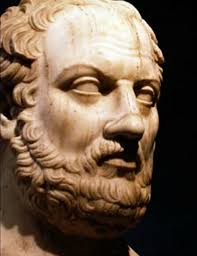
Publilio Siro, a name that may not be as widely recognized today as those of other ancient Roman figures, remains an important contributor to Latin literature and philosophy. Known primarily for his collection of moral maxims, Sententiae, Publilio Siro’s life and works provide valuable insight into the intellectual and cultural landscape of ancient Rome. Despite the scarcity of detailed information about his life, Siro’s legacy endures, especially through the proverbs and sayings that have transcended centuries.
Early Life and Historical Context
Publilio Siro was born in the 1st century BC, likely in the region known today as Turkey, specifically in Anatolia. His journey to Rome began under unfortunate circumstances—he was brought to the city as a slave. This was not uncommon in ancient Rome, where slaves were often captives from various conquered territories. Siro’s origins in the East, particularly from the Syrian region, suggest that he was one of many who were uprooted during the Roman expansionist campaigns.
The 1st century BC was a period of significant political and social upheaval in Rome. The city was embroiled in power struggles, civil wars, and the shifting tides of leadership. Key figures such as Julius Caesar, Cicero, and Augustus (formerly known as Octavian) dominated the political scene. The conflicts of this era, including the Roman Civil Wars and the rise and fall of Julius Caesar, shaped the cultural and intellectual environment in which Publilio Siro lived and wrote.
Rome during this time was also a melting pot of cultural influences, particularly from the Hellenistic world. Greek culture, philosophy, and literature were highly regarded, and many Greek scholars, artists, and intellectuals found themselves in Rome, often as slaves or freedmen. It is within this context that Siro, originally a slave, was eventually freed and integrated into Roman society, where he made his mark as a writer and dramatist.
Career and Contributions to Roman Literature
Publilio Siro’s career as a writer and dramatist is somewhat shrouded in mystery, but his impact is undeniable. His most famous work, Sententiae, is a collection of moral maxims that encapsulate the wisdom of his time. These short, pithy sayings cover a wide range of topics, from the nature of life and death to the complexities of human behavior and the workings of fortune.
The Sententiae are composed of over 700 individual maxims, each typically no longer than a single line. These maxims are not just reflective of Roman thought; they also offer universal insights that continue to resonate across different cultures and eras. Some of the most famous include:
- “Brevis ipsa vita est, sed malis fit longior” (Life itself is short, but it is made longer by misfortunes).
- “Fortuna vitrea est, tum cum splendit, frangitur” (Fortune is like glass; the brighter it shines, the more easily it is shattered).
- “In nullum hominem avarus bonus est, in se pessimus” (The miser is good to no one, and worst of all to himself).
These sayings illustrate Siro’s deep understanding of human nature and the philosophical underpinnings of Roman society. They are reflective of a Stoic worldview, which was popular among Roman intellectuals of the time. Stoicism emphasized the importance of virtue, self-control, and the acceptance of fate, all of which are themes prevalent in Siro’s maxims.
Historical Significance and Legacy
The legacy of Publilio Siro lies not only in his written works but also in the historical significance of his life. Siro’s participation in the dramatic arts, particularly in mime performances, suggests that he was well-integrated into the cultural life of Rome. His involvement in a competition before Julius Caesar in 45 BC, where he famously bested the Roman knight and playwright Decimus Laberius, is a testament to his skill and reputation as a dramatist.
This competition, held in honor of Caesar’s victory in the Battle of Thapsus, was a significant event. Caesar, a patron of the arts, encouraged such cultural displays to showcase Rome’s intellectual and artistic prowess. Siro’s victory over Laberius, a man of higher social standing, highlights not only his talent but also the fluidity of social mobility in certain aspects of Roman society. It is said that Caesar himself awarded Siro the palm of victory, further elevating his status and recognition.
Despite the recognition he received during his lifetime, Siro’s fame did not endure in the same way as that of other Roman writers like Virgil or Ovid. This may be due in part to the nature of his work, which, while influential, was more focused on moral instruction than on grand poetic or narrative achievements. Nevertheless, the enduring nature of his Sententiae demonstrates that his contributions were far from insignificant.
Siro’s maxims have been preserved and passed down through the ages, influencing not only Roman thought but also the Renaissance and Enlightenment periods, when classical texts were revived and studied extensively. Many of his sayings have entered the proverbial lexicon, continuing to be quoted and referenced in discussions of ethics, philosophy, and human nature.
The Cultural and Philosophical Impact of Publilio Siro
The cultural and philosophical impact of Publilio Siro is multifaceted. As a former slave who rose to prominence in the Roman world, his life story is emblematic of the complexities of Roman society, where talent and intellect could sometimes transcend social and economic barriers.
Philosophically, Siro’s work reflects the Stoic ideals that were prevalent among Roman thinkers of his time. Stoicism, with its emphasis on rationality, virtue, and acceptance of fate, aligns closely with the themes found in Siro’s Sententiae. His maxims often encourage self-reflection, discipline, and an understanding of the transient nature of life and fortune. This Stoic influence can be seen in maxims like “Fortuna vitrea est” and “Brevis ipsa vita est,” both of which caution against becoming too attached to worldly success and material goods, which can be as fleeting as they are alluring.
Siro’s work also had a significant influence on later writers and thinkers. During the Renaissance, when classical literature was rediscovered and revered, Siro’s Sententiae were studied and admired for their concise wisdom and moral clarity. His influence can be traced in the works of Renaissance humanists, who sought to blend classical knowledge with contemporary thought. Additionally, the maxims have been quoted by philosophers and writers throughout history, further cementing Siro’s place in the canon of classical literature.
Conclusion: Publilio Siro’s Enduring Legacy
Publilio Siro may not be as widely known as some of his contemporaries, but his contributions to Roman literature and philosophy have left a lasting impact. His Sententiae offer timeless wisdom, capturing the essence of human experience in a way that is both succinct and profound. As a former slave who achieved literary fame, Siro’s life story is a powerful reminder of the potential for greatness that exists in all individuals, regardless of their origins.
Today, Siro’s maxims continue to be quoted and studied, serving as a bridge between the ancient world and modern thought. His insights into the nature of life, fortune, and human behavior are as relevant now as they were two millennia ago. As we continue to explore the depths of classical literature, the works of Publilio Siro stand as a testament to the enduring power of words and the timeless nature of human wisdom.


