
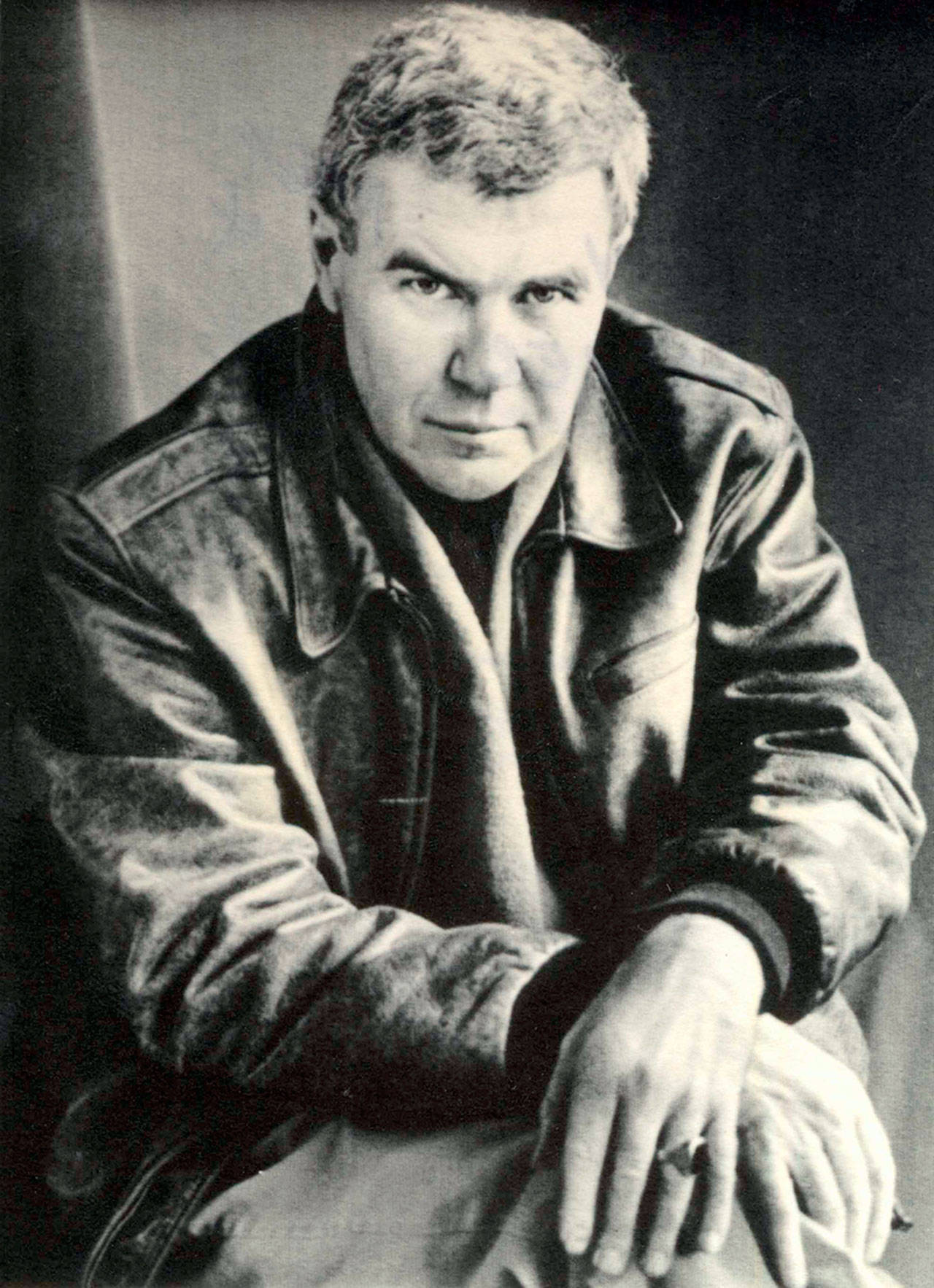
Raymond Carver is often hailed as one of the most influential American short story writers and poets of the 20th century. Known for his minimalist style, Carver’s work has had a profound impact on the literary world, shaping the contours of contemporary American fiction. Born Raymond Clevie Carver Jr. on May 25, 1938, in Clatskanie, Oregon, Carver’s journey from humble beginnings to literary fame is a story of perseverance, creative genius, and personal struggles.
Early Life and Background
Raymond Carver was born into a working-class family in the small town of Clatskanie, Oregon. His father worked as a sawmill worker, and his mother was a waitress. The Carver family moved to Yakima, Washington, in 1941, seeking better economic opportunities. Growing up in a financially struggling household, Carver experienced firsthand the challenges of the American working class—a theme that would deeply influence his later writings.
Despite the hardships, Carver developed a passion for reading and writing at an early age. His love for literature provided an escape from the harsh realities of his life and became a driving force in his pursuit of a career as a writer. However, his path to literary success was anything but straightforward.
Early Adulthood and Marriage
In the summer of 1955, while still in high school, Carver met Maryann Burk, who would later become his wife. They married in June 1957, when Carver was just 19 years old. A few months later, they welcomed their first child, Christine Rae. The young couple faced significant financial pressures, which forced Carver to take on various menial jobs to support his family.
Despite these challenges, Carver was determined to continue his education and develop his writing skills. Encouraged by Maryann, he enrolled in Walla Walla College, where he completed the first two years of his undergraduate education. During this time, he also took a correspondence course in writing from the Palmer Institute of Writing, which helped him refine his craft.
In 1958, the Carvers had their second child, Vance Lindsay. That same year, Raymond began attending Chico State College, where he studied creative writing and literature under the guidance of John Gardner, a mentor who would play a crucial role in Carver’s development as a writer. It was also during this period that Carver published his first piece, a letter titled “Where is Intellect,” in the college magazine “Wildcat.”
The 1960s: Struggles and Early Publications
The 1960s were a decade of both progress and hardship for Carver. After completing his studies at Chico State, Carver moved his family to Eureka, California, where he worked in a sawmill to make ends meet. Despite the demanding nature of his job, Carver continued to write whenever he could find the time.
In 1961, he published his first short story, “The Furious Seasons,” in the Chico State literary magazine “Selection.” This was followed by his first play, “Carnation,” which was staged in 1963. That same year, he earned a bachelor’s degree from Humboldt State University, where he had continued his studies.
Carver’s writing career began to gain momentum during this period, but financial difficulties continued to plague him. To support his family, he worked various jobs, including as a janitor at a hospital in Sacramento. These experiences would later inform the gritty realism of his stories, which often depicted characters grappling with the mundane struggles of life.
Breakthrough and the Iowa Writers’ Workshop
In the late 1960s, Carver received a significant opportunity that would shape the rest of his career: a fellowship to attend the prestigious Iowa Writers’ Workshop. The workshop, renowned for its rigorous training in the craft of writing, provided Carver with a supportive environment where he could hone his skills and interact with other emerging writers.
However, despite the promise of this new chapter, Carver’s personal life was unraveling. His marriage to Maryann was under strain, and his struggles with alcoholism began to intensify. Nevertheless, Carver’s time at the Iowa Writers’ Workshop was productive, and he continued to publish stories and poems in various literary magazines.
One of his most significant early achievements was the publication of his first poetry collection, “Near Klamath,” in 1968. This was followed by another collection, “Winter Insomnia,” in 1970. These early works showcased Carver’s emerging voice—sparse, direct, and focused on the lives of ordinary people.
The 1970s: The Rise of Raymond Carver
The 1970s were a transformative decade for Carver, both professionally and personally. His literary career began to gain significant traction with the publication of his first major short story collection, “Will You Please Be Quiet, Please?” in 1976. The collection received widespread acclaim and established Carver as a prominent voice in American fiction.
Carver’s stories from this period are characterized by their minimalist style and focus on the complexities of everyday life. His writing often explores themes of isolation, desperation, and the quiet struggles that define the human experience. Stories like “Fat” and “Neighbors” from this collection exemplify his ability to capture the nuances of human relationships with economy and precision.
Despite his growing success as a writer, Carver’s personal life remained tumultuous. His alcoholism reached a critical point, leading to the collapse of his marriage to Maryann in the late 1970s. Carver’s struggles with addiction also affected his professional life, and he was forced to resign from several teaching positions due to his erratic behavior.
The 1980s: Literary Fame and Personal Redemption
The 1980s marked a period of both literary triumph and personal redemption for Raymond Carver. In 1981, he published what would become one of his most famous collections, “What We Talk About When We Talk About Love.” The book solidified Carver’s reputation as a master of the short story, and its minimalist style became a defining feature of his work.
Carver’s stories from this period are often described as “dirty realism” or “minimalism” due to their focus on the mundane aspects of life and the use of plain, unadorned language. Stories like “Cathedral” and “A Small, Good Thing” from his 1983 collection “Cathedral” exemplify this style and remain some of his most celebrated works.
The early 1980s also saw Carver achieve a significant personal milestone: sobriety. With the help of his partner, the poet Tess Gallagher, Carver managed to overcome his addiction to alcohol. This period of sobriety allowed him to focus more fully on his writing and to repair some of the personal relationships that had been damaged by his drinking.
In 1983, Carver and Gallagher collaborated on the publication of “Fires: Essays, Poems, Stories,” a collection that showcased the breadth of Carver’s talents as both a writer of fiction and a poet. The book was well-received and further cemented Carver’s place in the literary canon.
Final Years and Legacy
The final years of Raymond Carver’s life were marked by both professional success and personal challenges. In 1987, he underwent emergency surgery for a lung hemorrhage, a health crisis that foreshadowed his declining health. Despite his illness, Carver continued to write, producing some of his most poignant and reflective work during this time.
One of his last stories, “Errand,” published in 1987, won the Prize Stories award and is often considered one of his finest pieces. The story, which is based on the final days of the Russian writer Anton Chekhov, reflects Carver’s deep appreciation for Chekhov’s work and his own contemplations on mortality.
In 1988, Carver was diagnosed with brain cancer, a battle he would ultimately lose on August 2 of that year. He passed away at his home in Port Angeles, Washington, at the age of 50. His final collection of poems, “A New Path to the Waterfall,” was published posthumously, offering a poignant reflection on his life and impending death.
Carver’s legacy as a writer is profound. He is often credited with revitalizing the American short story form, and his influence can be seen in the work of numerous contemporary writers. His stories, characterized by their emotional depth, spare prose, and focus on the lives of ordinary people, continue to resonate with readers and writers alike.
Historical Context and Influence
Raymond Carver’s work emerged during a period of significant change in American literature. The 1960s and 1970s saw a shift away from the grand narratives and experimental forms of modernism toward a more grounded, realistic portrayal of everyday life. Carver’s minimalist style, which eschewed elaborate descriptions and complex plots in favor of simple, direct language, was emblematic of this new literary movement.
Carver’s influence extended beyond his own writing. As a teacher and mentor, he played a crucial role in shaping the careers of other writers, many of whom have cited him as a major influence. His emphasis on the importance of revision and his belief in the power of the short story form have left a lasting impact on the literary community.
Conclusion
Raymond Carver’s life and work are a testament to the power of perseverance and the transformative potential of art. Despite the numerous challenges he faced—poverty, addiction, and personal turmoil—Carver managed to create a body of work that continues to inspire and influence writers and readers around the world.
His stories, with their focus on the quiet struggles of everyday life, offer a glimpse into the human condition that is both unflinching and deeply empathetic. As one of the most important American writers of the 20th century, Raymond Carver’s legacy endures, reminding us of the enduring power of literature to illuminate the complexities of our lives.


