
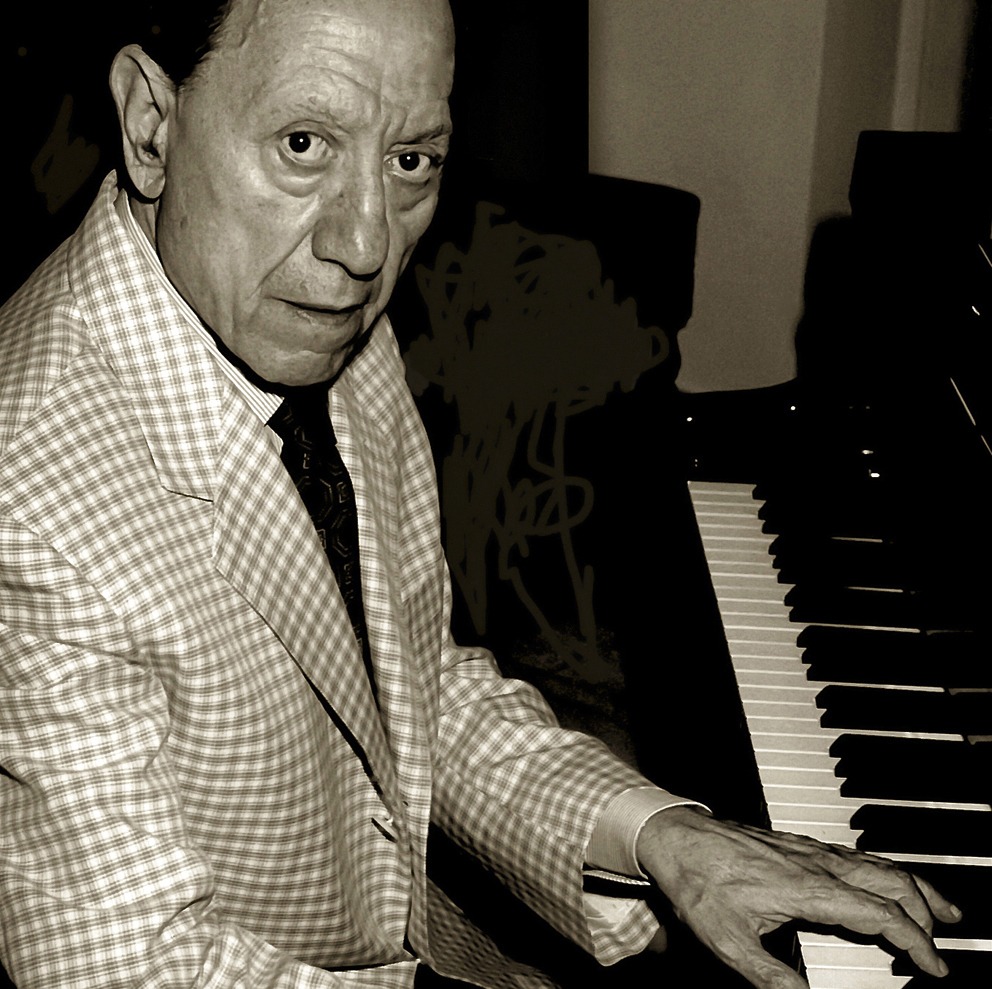
Renato Carosone, born on January 3, 1920, in Naples, Italy, remains one of the most iconic figures in the world of Italian music. As a trailblazing musician and composer, Carosone brought a unique blend of Neapolitan tradition, jazz, swing, and American influences to the Italian music scene, revolutionizing it in the process. His timeless hits like “Tu vuò fà l’americano” and “Maruzzella” continue to resonate with audiences around the world, cementing his legacy as a pioneer of modern Italian music.
Early Life and Musical Beginnings
Renato Carosone was born Renato Carusone, the son of Antonio and Carolina Carusone. From a young age, it was clear that Renato had a profound passion for music. His mother, who played the piano, noticed his talent early on, and Renato began to hone his skills on the piano at a young age. Tragically, his mother passed away when he was just seven years old, but her influence had already left a lasting mark on him. Encouraged by his father, Renato pursued his musical education, and by the age of 14, he had composed his first piece for the piano.
Renato’s formal music education took place at the prestigious San Pietro a Majella Conservatory in Naples, where he graduated with a diploma in piano at the tender age of 17. This accomplishment set the stage for a career that would take him far beyond the borders of Italy.
The African Adventure
In his late teens, Renato Carosone embarked on a journey that would profoundly shape his musical style. He joined an arts company that traveled to East Africa, where he spent several years performing and gaining experience. In Eritrea, Carosone encountered a diverse audience that was largely unfamiliar with the Neapolitan dialect, presenting him with the challenge of connecting with listeners through music alone.
During this time, Carosone met and married Italia Levidi, a prominent dancer, in January 1938. Despite the challenges, the experience enriched Carosone’s musical repertoire and deepened his understanding of different cultures and musical traditions.
Carosone’s time in Africa also included a stint as the director of an orchestra in Addis Ababa, Ethiopia. However, with the outbreak of World War II, he was called back to Italy, where his musical journey would take a dramatic turn.
The Post-War Era and Rise to Fame
After the war, Renato Carosone returned to Italy, bringing with him a wealth of experiences and a unique musical perspective. In 1946, he settled back in Naples, where he formed a trio to perform at the newly opened Shaker Club. This trio, which would later evolve into the famous Carosone Sextet, began to develop a distinctive style that combined Neapolitan music with jazz, swing, and American rock influences.
The group’s first major success came with the recording of “Oh Susanna” in 1950, which marked the beginning of Carosone’s ascent to stardom. The trio, which included drummer Gegè Di Giacomo and guitarist Peter Van Wood, expanded into a sextet, adding more musicians and creating a fuller, richer sound that captivated audiences.
By the early 1950s, Carosone had become a household name in Italy. His music, characterized by catchy rhythms, playful lyrics, and a blend of traditional and modern elements, resonated with a post-war generation eager for new and exciting sounds. Songs like “Maruzzella,” released in 1954, became instant hits, and Carosone’s popularity soared.
Breakthrough Hits and International Success
The 1950s were a golden era for Renato Carosone. His band’s performance on Italian television on January 3, 1954, marked a significant milestone in his career. This appearance brought his music into the homes of millions of Italians and solidified his status as a national star.
Carosone’s music was not only popular in Italy but also gained international acclaim. He was one of the few Italian artists to achieve success in the United States without singing in English, a feat shared by only a handful of other Italian musicians, including Domenico Modugno. His international breakthrough was marked by his performance at the legendary Carnegie Hall in New York on January 6, 1958, where he captivated American audiences with his vibrant and infectious music.
One of Carosone’s most famous songs, “Tu vuò fà l’americano,” co-written with the lyricist Nicola “Nisa” Salerno, became an anthem that encapsulated the cultural exchanges between Italy and the United States during the post-war period. The song’s playful lyrics, which tell the story of a young Italian trying to emulate the American lifestyle, combined with its jazzy swing rhythm, made it an instant classic. The song’s influence has endured for decades, covered by numerous artists and featured in various films, including the 1999 movie “The Talented Mr. Ripley.”
Other iconic songs from this period include “Torero,” “Caravan Petrol,” “‘O sarracino,” and “Pigliate ‘na pastiglia.” Each of these songs showcased Carosone’s ability to blend humor, cultural commentary, and musical innovation, making him a beloved figure not only in Italy but also internationally.
Collaboration with Nisa and the Height of Success
Renato Carosone’s collaboration with Nisa, one of Italy’s most prolific songwriters, proved to be a pivotal moment in his career. Together, they created some of the most memorable songs in Italian music history. Nisa’s clever and often humorous lyrics paired perfectly with Carosone’s inventive compositions, resulting in a series of hits that dominated the Italian music charts.
The duo’s most famous creation, “Tu vuò fà l’americano,” is perhaps the best example of their collaborative genius. Written in just 15 minutes, the song became a cultural phenomenon, embodying the aspirations and contradictions of post-war Italian society. Its success was not limited to Italy; the song became popular across Europe and the United States, further establishing Carosone’s reputation as an international star.
Their partnership produced numerous other hits that captured the spirit of the times, combining elements of traditional Neapolitan music with modern jazz and swing influences. This fusion of styles created a sound that was distinctly Italian yet universally appealing, making Carosone one of the most influential musicians of his era.
The Unexpected Retirement and Return to the Stage
At the peak of his success, Renato Carosone made the surprising decision to retire from the music scene in 1959. On September 7 of that year, after a triumphant concert tour and with his popularity at an all-time high, Carosone chose to step away from the limelight. His decision to retire at the height of his career puzzled many, but Carosone himself later explained that he felt he had achieved all he wanted and preferred to leave the stage while still at the top.
For the next 15 years, Carosone lived a quieter life, away from the pressures of the music industry. However, the pull of music proved too strong to resist, and in August 1975, he made a highly anticipated return to the stage at the Bussola di Focette, a famous Italian nightclub. His comeback was met with great enthusiasm, and Carosone continued to perform and record music throughout the 1970s and 1980s.
Despite his long absence, Carosone’s music remained popular, and his return to the stage only solidified his status as a legendary figure in Italian music. In 1989, he competed in the Sanremo Music Festival with the song “‘Na canzuncella doce doce,” which, although it did not win, further endeared him to his fans.
Final Years and Legacy
Renato Carosone’s final public performance took place on New Year’s Eve 1997, at a concert in Piazza del Plebiscito in Naples. It was a fitting tribute to the city that had nurtured his talent and to the people who had supported him throughout his illustrious career.
On May 20, 2001, Renato Carosone passed away at the age of 81 in his home in Rome. His death marked the end of an era, but his music continues to live on, influencing generations of musicians and delighting listeners around the world.
Carosone’s legacy is one of innovation, creativity, and cultural significance. His ability to blend traditional Neapolitan music with contemporary influences created a sound that was uniquely his own, and his songs remain timeless classics that continue to be celebrated today.
In 2021, to commemorate the centenary of his birth, the Italian public broadcaster Rai produced a television film titled “Carosello Carosone,” directed by Lucio Pellegrini and starring Eduardo Scarpetta as Carosone. The film is a testament to Carosone’s enduring impact on Italian culture and his status as one of the most important figures in the history of Italian music.
Conclusion
Renato Carosone’s life and career are a testament to the power of music to transcend cultural and linguistic barriers. From his humble beginnings in Naples to his international success, Carosone’s journey was one of passion, creativity, and a deep connection to his cultural roots. His ability to blend different musical styles into something entirely new and exciting made him a pioneer in the world of Italian music, and his songs continue to inspire and entertain people around the globe.
As we look back on the life and work of Renato Carosone, it is clear that his influence extends far beyond the realm of music. He was a cultural icon, a trailblazer, and a true artist whose contributions to Italian and global music will be remembered for generations to come.


