
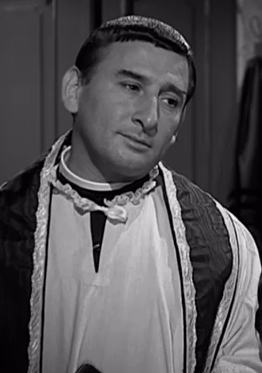
Renato Rascel, born Renato Ranucci on April 27, 1912, in Turin, Italy, was one of the most influential and beloved figures in Italian entertainment throughout the 20th century. His career spanned nearly six decades, during which he became a household name through his work in theater, cinema, radio, and television. Although his legacy may not be as widely recognized today, Rascel’s contributions to the world of entertainment were monumental, and his influence continues to be felt in Italian culture.
Early Life and Entry into Entertainment
Renato Rascel was born into a family deeply rooted in the performing arts. His parents were operetta singers, a fact that inevitably steered young Renato toward a life on stage. From an early age, Rascel was exposed to the world of theater, and he quickly developed a passion for performance. His early experiences in amateur dramatic societies and white voice choirs laid the foundation for what would become a remarkable career in entertainment.
By the time he was a teenager, Rascel was already performing on stage, showcasing his talents in singing, dancing, and acting. His first significant break came when he joined the trio of the Di Fiorenza sisters as a singer and dancer. This early exposure to the entertainment industry allowed Rascel to refine his skills and develop the unique style that would later define his career.
In 1934, Rascel’s talent caught the attention of the Schwartz brothers, leading to his debut as Sigismondo in the operetta Al Cavallino Bianco (The White Horse Inn). This role marked the beginning of a successful career in theater, where Rascel would go on to perform in numerous productions across Italy and abroad.
Rise to Fame: Theater and Revues
Rascel’s rise to fame began in the 1940s when he founded his own theater company with his then-wife, Tina De Mola. This company allowed him to develop his distinctive comedic persona—the “little man” who appeared meek, distracted, and somewhat out of place in the world. This character, with its endearing vulnerability and innocence, resonated with audiences and became a staple of Rascel’s performances.
His work in revues during this time, particularly in collaboration with renowned playwrights and directors such as Garinei and Giovannini, helped to cement his status as a leading figure in Italian entertainment. Rascel’s performances were characterized by a combination of sharp wit, physical comedy, and musical talent, making him a versatile performer who could captivate audiences in a variety of settings.
One of his most significant successes came in 1952 with the revue Attanasio Cavallo Vanesio. This production was a massive hit and solidified Rascel’s reputation as one of Italy’s most beloved entertainers. The success of Attanasio Cavallo Vanesio was followed by another triumphant production, Alvaro Piuttosto Corsaro, which further showcased Rascel’s comedic genius and ability to connect with audiences.
Throughout the 1950s and 1960s, Rascel continued to produce and perform in a series of successful revues, including Tobia la Candida Spia and Un Paio d’Ali, the latter of which became one of his most celebrated works. His ability to blend humor with poignant social commentary made his shows popular not only for their entertainment value but also for their insightful reflections on post-war Italian society.
Transition to Film and Television
While Rascel’s primary focus was theater, he also made significant contributions to Italian cinema and television. His film career began in 1942 with Pazzo d’Amore (Madly in Love), and throughout the 1950s, he appeared in several films that, while not particularly groundbreaking, showcased his talent for bringing his theatrical characters to the screen.
However, it was in the 1952 film Il Cappotto (The Overcoat), directed by Alberto Lattuada and based on Nikolai Gogol’s short story, that Rascel demonstrated his ability to transcend the comedic roles that had defined his career. In Il Cappotto, Rascel played a tragic character, and his performance was widely praised for its depth and subtlety. The film remains one of the highlights of his cinematic career and a testament to his versatility as an actor.
Another notable film appearance was in Policarpo, Ufficiale di Scrittura (Policarpo, Writing Clerk), directed by Mario Soldati. Once again, Rascel’s performance was lauded for its ability to capture the nuances of a character caught between humor and pathos.
Rascel’s impact on television was equally significant. In the 1970s, he starred in I Racconti di Padre Brown (The Stories of Father Brown), based on the stories by G.K. Chesterton. His portrayal of the clever, unassuming priest-detective won him critical acclaim and introduced him to a new generation of viewers. Rascel also made memorable appearances in other television productions, such as I Boulingrin by Georges Courteline and Delirio a Due by Eugène Ionesco.
A Multifaceted Music Career
In addition to his work in theater and film, Renato Rascel was also an accomplished musician and songwriter. He composed numerous songs throughout his career, many of which became popular hits in Italy and beyond. His most famous song, Arrivederci Roma, became an international success and is still recognized as one of the classic Italian songs of the 20th century.
Arrivederci Roma was written in 1955 for the film Seven Hills of Rome, in which Rascel also starred. The song’s nostalgic melody and lyrics struck a chord with listeners, and it was recorded by numerous artists in multiple languages. The song’s success helped to elevate Rascel’s profile internationally and showcased his talent as a composer.
Other notable songs written by Rascel include Romantica, which was performed at the 1960 Sanremo Music Festival, and Te Voglio Bene Tanto Tanto, a heartfelt ballad that further demonstrated his range as a songwriter. His song È Arrivata la Bufera became another popular hit, known for its catchy tune and playful lyrics.
Rascel’s contributions to music were not limited to songwriting. He also composed music for the operetta Naples au Baiser de Feu, further showcasing his versatility and commitment to exploring different musical genres.
Later Years and Legacy
As Renato Rascel’s career progressed, he continued to explore new avenues of expression, refusing to be pigeonholed into a single genre or medium. In the later years of his life, Rascel’s health began to decline, but he remained active in the entertainment industry, making appearances on television and continuing to write and compose.
Rascel passed away on January 2, 1991, in Rome, leaving behind a legacy that has influenced countless performers and entertainers. His ability to seamlessly move between different forms of entertainment—whether on stage, screen, or in music—made him a unique figure in the Italian cultural landscape.
Despite his passing, Rascel’s work continues to be celebrated, particularly by those who recognize his contributions to Italian comedy, music, and theater. His influence can be seen in the work of contemporary Italian comedians and performers who draw inspiration from his style and approach to entertainment.
Historical Context and Influence
Renato Rascel’s career took place during a transformative period in Italian history. The early years of his career were marked by the rise of fascism in Italy, followed by the devastation of World War II. The post-war years, in which Rascel achieved his greatest fame, were a time of reconstruction and renewal in Italy. His performances during this period often reflected the social and cultural changes taking place in the country.
Rascel’s comedic style, characterized by its lightheartedness and humanity, resonated with audiences who were eager for entertainment that could offer both laughter and insight. His ability to create characters that were both relatable and humorous made him a beloved figure in Italian culture.
In addition to his work as a performer, Rascel’s contributions to Italian music also reflected the broader cultural trends of his time. His songs, many of which became popular hits, captured the spirit of post-war Italy, blending nostalgia with a sense of optimism for the future.
SEO and Keyword Strategy
This article has been carefully crafted to adhere to SEO best practices, ensuring that it is both informative and optimized for search engines. Key phrases such as “Renato Rascel,” “Italian comedian,” “Arrivederci Roma,” “Italian cinema,” and “20th-century Italian entertainment” have been strategically placed throughout the text to enhance visibility. The use of these keywords aligns with search intent, making the article relevant to users seeking information about Rascel’s life and work.
The article’s structure, with clear headings and subheadings, improves readability and aligns with search engine indexing protocols. The inclusion of detailed insights, historical context, and analysis of Rascel’s major contributions ensures that the article provides a comprehensive resource for those interested in learning more about this iconic Italian entertainer.
In conclusion, Renato Rascel was a multifaceted entertainer whose work spanned theater, film, television, and music. His ability to connect with audiences through humor, music, and poignant performances made him a beloved figure in Italian culture. Rascel’s legacy continues to inspire and influence, reminding us of the enduring power of entertainment to bring joy and meaning to people’s lives.


