
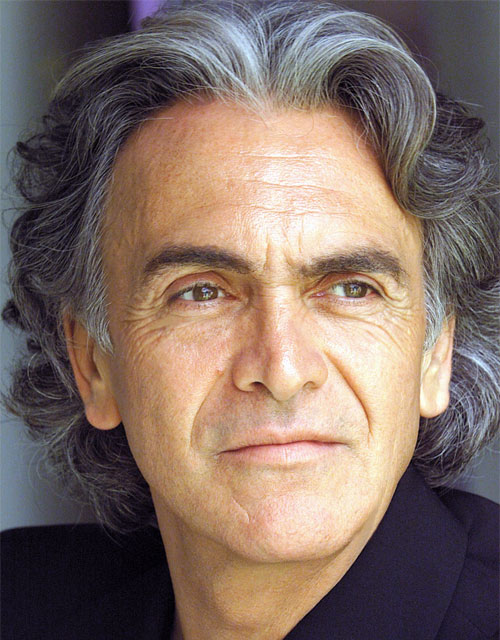
Riccardo Fogli is a celebrated Italian singer and musician who has left an indelible mark on the music industry with his melodic voice, emotional depth, and decades-spanning career. Born on October 21, 1947, in Pontedera, Tuscany, Fogli’s journey from humble beginnings to becoming a household name in Italy is a story of talent, perseverance, and passion. This comprehensive article explores Fogli’s life, his rise to fame, and the highlights of his illustrious career.
Early Life and Musical Beginnings
Riccardo Fogli was born in Pontedera, a small town in Tuscany, Italy. From an early age, Fogli exhibited a keen interest in music, which soon became his lifelong passion. Before finding his footing in the music world, Fogli worked as a tire repairman, a job that allowed him to fund his early musical endeavors. His first significant step into the music industry was as the bassist and lead singer for a rock band called Slenders, based in the nearby town of Piombino.
It was during a tour in Northern Italy with the Slenders that Fogli’s talent caught the attention of prominent musicians. The band performed at the famous “Piper” club in Milan, where Fogli’s performance stood out. His unique voice and charismatic stage presence did not go unnoticed. It was here that members of the emerging band Pooh—specifically Mauro Bertoli and Valerio Negrini—saw potential in Fogli and offered him the opportunity to join their group.
Joining Pooh: The Path to Stardom
In 1966, Riccardo Fogli joined Pooh, replacing the band’s previous bassist, Gilberto Faggioli. This marked a turning point in Fogli’s career, as Pooh was on the verge of becoming one of Italy’s most popular bands. Fogli’s role in Pooh was initially modest; he joined shortly before the release of their debut album Per quelli come noi (For Those Like Us). Although his contributions to this album were limited, it was clear that Fogli’s presence would soon become a defining element of the band’s sound.
As Pooh transitioned into a quartet following the departure of Mauro Bertoli, Fogli’s prominence within the band grew. He became the lead vocalist on several of the group’s hits, including “Piccola Katy” and “In silenzio,” which helped solidify Pooh’s reputation as a leading act in Italian pop music.
By 1969, with the release of the album Contrasto, Fogli had established himself as the primary vocalist for Pooh. His voice, rich and emotive, became synonymous with the band’s music, and he continued to deliver powerful performances on songs like “Memorie” (1970). However, as Pooh’s popularity soared, so did Fogli’s desire for artistic independence.
Going Solo: The Challenges and Triumphs
In 1973, at the height of Pooh’s success, Riccardo Fogli made the bold decision to leave the band. This decision was influenced in part by his then-girlfriend, the renowned Italian singer Patty Pravo, who encouraged him to pursue a solo career. Fogli’s departure from Pooh was controversial, especially as it occurred during an ongoing tour. Despite the risks, Fogli was determined to carve out his path in the music industry.
Fogli’s first solo album, Ciao amore, come stai (Hello Love, How Are You), was released shortly after his departure from Pooh. Unfortunately, the album did not achieve the success he had hoped for, especially compared to the continued success of his former band, which was enjoying international acclaim with albums like Parsifal.
The early years of Fogli’s solo career were marked by struggles. His participation in the 1974 Sanremo Music Festival with the song “Complici” (Accomplices) failed to make an impact, and subsequent singles such as “Amico sei un gigante” (Friend, You’re a Giant) also failed to gain traction. These setbacks made it seem as though Fogli’s decision to leave Pooh might have been a mistake.
A Resurgence: Finding His Voice in the Late 1970s
Despite these early challenges, Riccardo Fogli persevered. His breakthrough came in 1976 with the release of the single “Mondo” (World), which revitalized his career. The song’s success allowed him to participate in Festivalbar, an Italian music festival, where he won the prestigious Disco Verde award. This marked the beginning of a comeback for Fogli, who was now gaining recognition as a solo artist.
In 1977, Fogli released his second solo album, Riccardo Fogli, which included a re-recording of the Pooh hit “In silenzio.” This album was well-received and demonstrated Fogli’s growth as an artist. The following year, he released “Io ti porto via” (I’ll Take You Away), a collection of songs that further solidified his place in the Italian music scene.
In 1979, Fogli released the single “Che ne sai” (What Do You Know), which became one of the biggest hits of his career. The song reached the top of the Italian charts and established Fogli as a leading figure in Italian pop music. Although the release of his album Matteo was halted due to its experimental nature, Fogli’s star continued to rise as he entered the 1980s.
The 1980s: Peak of Success
The 1980s proved to be the most successful decade of Riccardo Fogli’s career. In 1980, he released the album Alla fine di un lavoro (At the End of a Job), which included the hit single “Ti amo però” (I Love You, But). This album set the stage for even greater success with his next release, Campione (Champion), in 1981. The single “Malinconia” (Melancholy) from this album was a massive hit, earning Fogli a Platinum Record, a Telegatto, and the Vela d’Oro award.
In 1982, Fogli’s career reached its zenith when he won the Sanremo Music Festival with the song “Storie di tutti i giorni” (Everyday Stories). This victory was a significant achievement, as the Sanremo Festival is one of the most prestigious music competitions in Italy. Despite some controversy over allegations that his victory was influenced by his record label, the song’s success was undeniable. “Storie di tutti i giorni” not only topped the charts but also won the Disco d’Oro (Gold Record), the Radio Corriere TV Award, and another Telegatto.
Following his Sanremo win, Fogli represented Italy at the Eurovision Song Contest, further cementing his status as a national icon. The success of “Storie di tutti i giorni” remains a highlight of his career, and the song is still fondly remembered by fans of Italian pop music.
The 1990s and Beyond: A Resilient Career
As the 1990s began, Riccardo Fogli continued to build on his success, returning to the Sanremo Festival in 1991 with the song “Io ti prego di ascoltare” (I Beg You to Listen), which was included in his album A metà del viaggio (Halfway Through the Journey). He participated in the festival again in 1992 with “In una notte così” (In a Night Like This). Although these entries did not achieve the same level of success as “Storie di tutti i giorni,” they demonstrated Fogli’s continued relevance in the Italian music scene.
In 1995, Fogli released Fogli su Fogli (Fogli on Fogli), an unplugged album that featured acoustic versions of his most beloved songs. The album was well-received and showcased Fogli’s versatility as an artist. The following year, he returned to Sanremo with the song “Romanzo” (Novel), though it finished in 19th place. Despite this setback, Fogli continued to release new music, including the album Ballando (Dancing) in 1998.
The new millennium brought new opportunities for Fogli. In 2004, he participated in the reality TV show Music Farm, hosted by Amadeus on Raidue. Fogli emerged as the winner of the show, which led to the release of a CD featuring the songs he performed during the competition. This victory introduced Fogli to a new generation of fans and reaffirmed his enduring popularity.
In 2005, Fogli released Ci saranno giorni migliori (There Will Be Better Days), his first album of new material in the 21st century. Most of the songs on the album were written by Gatto Panceri, a well-known Italian singer-songwriter. The album received positive reviews and demonstrated Fogli’s ability to adapt to the changing musical landscape.
Reuniting with Pooh: Celebrating a Legacy
In 2015, Riccardo Fogli reunited with his former bandmates from Pooh to celebrate the band’s 50th anniversary. This reunion, aptly named Reunion, was a major event in Italian music, as Pooh was one of the most successful bands in the country’s history. The reunion tour in 2016 was a massive success, bringing together generations of fans who had followed the band and Fogli’s solo career over the decades.
Fogli’s participation in the reunion was a poignant moment, as it marked a full-circle journey from his early days with the band to his successful solo career and back again. The tour allowed fans to relive the magic of Pooh’s music and celebrate the legacy of one of Italy’s most beloved bands.
The Later Years: Continued Success and Reality TV
Riccardo Fogli’s career continued to flourish in the late 2010s. In 2019, he participated as a contestant in the 14th season of L’Isola dei Famosi (The Island of the Famous), a popular Italian reality TV show. His appearance on the show introduced him to a new audience and highlighted his enduring appeal as a public figure.
Throughout his career, Fogli has been known for his ability to connect with audiences through his music, his authenticity, and his resilience. His journey from the small town of Pontedera to becoming a celebrated singer and musician is a testament to his talent and determination.
Legacy: A Lasting Influence on Italian Music
Riccardo Fogli’s impact on Italian music is undeniable. His contributions to the success of Pooh in the 1960s and 1970s, coupled with his achievements as a solo artist, have earned him a place among the legends of Italian pop music. Songs like “Storie di tutti i giorni,” “Malinconia,” and “Che ne sai” continue to be celebrated as classics of the Italian music canon.
Fogli’s career has been characterized by its longevity and versatility. He has navigated the ever-changing music industry with grace, adapting to new trends while staying true to his artistic vision. His ability to reinvent himself, whether through new music or reality TV, has kept him relevant in an industry that often favors the new over the established.
As a performer, Fogli’s voice remains as captivating as ever, conveying the emotional depth and sincerity that have always been the hallmarks of his music. His legacy is one of perseverance, passion, and an unwavering commitment to his craft.
Conclusion: Riccardo Fogli’s Enduring Legacy
Riccardo Fogli’s life and career are a testament to the power of music to transcend time and connect with people across generations. From his early days with Pooh to his successful solo career, Fogli has consistently delivered music that resonates with audiences, both in Italy and around the world.
His journey has been marked by both triumphs and challenges, but through it all, Fogli has remained true to himself and his art. Today, he continues to be celebrated as one of Italy’s most beloved musicians, a true icon whose influence will be felt for years to come.


