
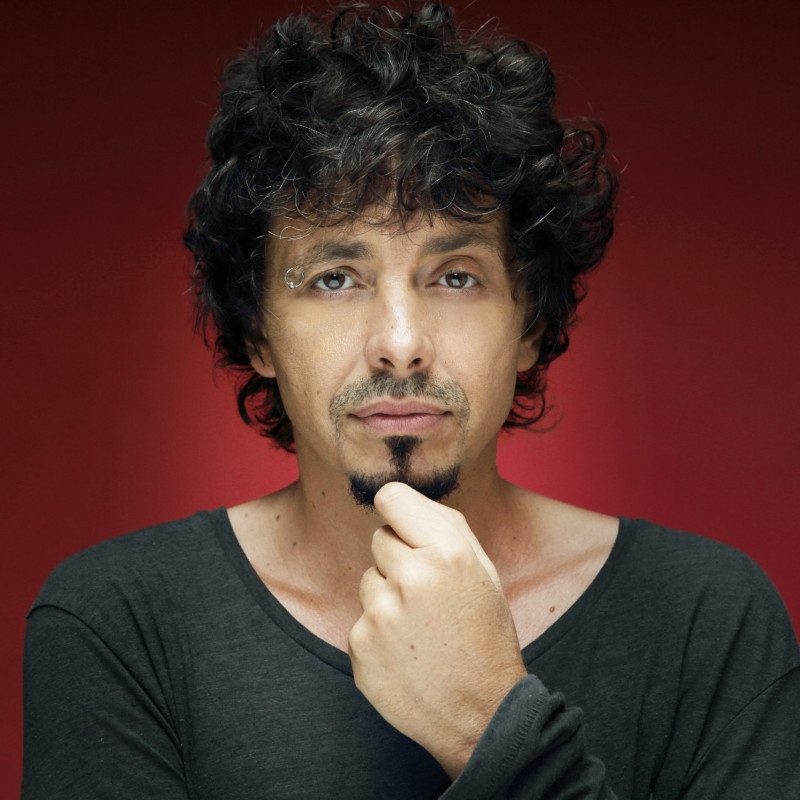
Riccardo Sinigallia is a name that resonates with those familiar with the Italian music scene, especially within the genres of indie, pop, and rock. Born on March 4, 1970, in Rome, Sinigallia has made a significant impact as a musician, singer-songwriter, and producer. His career spans several decades, during which he has not only created memorable music but also contributed to the success of other prominent Italian artists. This article explores the life, career, and highlights of Riccardo Sinigallia, offering insights into his journey from the underground music scene of Rome to the national stage.
Early Life and Musical Beginnings
Riccardo Sinigallia was born into a family with diverse professional backgrounds—his father worked in insurance, while his mother was employed by a record company. This early exposure to the music industry through his mother likely played a role in shaping his passion for music. Growing up in Rome, a city with a rich cultural heritage, Sinigallia was drawn to music from a young age.
In the late 1980s, Sinigallia began making a name for himself in the underground music scene of Rome. He became involved with the 10 p.m. Band, a group that included future prominent musicians like Niccolò Fabi, David Nerattini, Francesco Zampaglione, and Aidan Zammit. The band, which later changed its name to Sei Suoi Ex, was part of a vibrant music scene that thrived in the Italian capital during this period. However, despite their potential, the group disbanded in 1993, marking the end of this early chapter in Sinigallia’s career.
Rise to Fame with Tiromancino
After the dissolution of Sei Suoi Ex, Riccardo Sinigallia found a new opportunity with the band Tiromancino. The 1990s were a formative time for the Italian music industry, with a growing appreciation for alternative and indie sounds. Sinigallia’s involvement with Tiromancino would prove to be a pivotal moment in his career.
At the time, Tiromancino was beginning to gain traction, and Sinigallia’s contributions as both a musician and a producer were instrumental in their rise to national fame. The band frequently performed at “Il Locale,” a famous venue in Rome that hosted many up-and-coming artists, including Daniele Silvestri and Frankie HI-NRG. This venue was a breeding ground for creative collaborations, and it was here that Sinigallia’s talent truly began to shine.
One of the most notable collaborations from this period was with Frankie HI-NRG on the track “Quelli che benpensano,” where Sinigallia provided vocals for the chorus. The song became a major hit and is still remembered as one of the most iconic Italian rap songs of the 1990s.
During his time with Tiromancino, Sinigallia also played a significant role in producing the debut album of Niccolò Fabi, another major figure in Italian music. He was responsible for introducing Fabi to Virgin Records, helping to launch a career that would become highly successful. Additionally, Sinigallia was involved in the early career of Max Gazzè, another artist who would go on to achieve national recognition.
Breakthrough with “La Descrizione di un Attimo”
The year 2000 marked a major breakthrough for Tiromancino with the release of the album La Descrizione di un Attimo. Sinigallia was heavily involved in both the writing and production of the album, which included some of the band’s most well-known songs. The title track, “La Descrizione di un Attimo,” and the song “Due Destini,” which was featured in the soundtrack for Ferzan Ozpetek’s film Le Fate Ignoranti (The Ignorant Fairies), became instant classics.
The success of La Descrizione di un Attimo brought Tiromancino to the forefront of the Italian music scene. Their participation in the 2000 Sanremo Music Festival with the song “Strade” further elevated their status, earning them second place in the Newcomers’ category. This period represented the peak of Sinigallia’s collaboration with Tiromancino, solidifying his reputation as a talented songwriter and producer.
However, despite the success, 2001 saw Sinigallia part ways with Tiromancino. The reasons for his departure have never been fully clarified, with rumors suggesting that the intense stress of touring and creative differences played a role. Nevertheless, this departure marked the beginning of Sinigallia’s journey as a solo artist.
Solo Career and Further Collaborations
In 2003, Riccardo Sinigallia released his debut solo album, self-titled Riccardo Sinigallia. The album showcased his unique sound—a blend of introspective lyrics, melodic compositions, and a distinctly Italian indie vibe. The single “Bellamore,” which was featured on the album, received positive reviews and highlighted Sinigallia’s ability to create deeply personal and emotionally resonant music.
Sinigallia continued to explore his solo career with the release of his second album, Incontri a Metà Strada, in 2006. The album was preceded by the single “Finora,” which further established his presence in the Italian music scene. While his solo work did not achieve the same level of commercial success as his collaborations, it was critically acclaimed and showcased his evolution as an artist.
In addition to his solo work, Sinigallia continued to collaborate with other artists. In 2008, he worked with Luca Carboni on a cover of Claudio Lolli’s song “Ho visto anche degli zingari felici,” which was included in Carboni’s album Musiche ribelli, produced by Sinigallia himself. These collaborations demonstrated his continued influence and respect within the Italian music industry.
Sanremo 2014 and Continued Influence
One of the most significant moments in Riccardo Sinigallia’s career came in 2014 when he participated in the prestigious Sanremo Music Festival, one of Italy’s most important musical events. Competing in the Big Artists category, Sinigallia performed two songs: “Una rigenerazione” and “Prima di andare via.” Although his participation ended in controversy due to questions about whether “Prima di andare via” had been previously performed, his presence at Sanremo reaffirmed his status as a respected figure in the Italian music scene.
The controversy, however, did little to tarnish his reputation. Instead, it highlighted the complexity of Sinigallia’s artistry—his work often defies simple categorization, blending genres and styles in a way that is both innovative and deeply rooted in Italian musical traditions.
Personal Life and Artistic Philosophy
Riccardo Sinigallia’s personal life is closely intertwined with his artistic journey. His deep love for music has been a constant throughout his life, from his early days in Rome’s underground scene to his work with some of Italy’s most celebrated musicians. His philosophy as an artist is reflected in the authenticity and emotional depth of his music, which often explores themes of love, introspection, and the human experience.
Sinigallia’s collaborations with other artists are a testament to his belief in the power of collective creativity. Whether producing albums for others or working on his solo projects, Sinigallia has always emphasized the importance of artistic integrity and emotional honesty.
Legacy and Impact on Italian Music
Riccardo Sinigallia’s legacy in Italian music is defined by his versatility and his contributions to the success of other artists. His work with Tiromancino, Niccolò Fabi, Max Gazzè, and others has left an indelible mark on the Italian music scene. Moreover, his solo career, while perhaps less commercially successful, has been lauded for its artistic merit and emotional depth.
Sinigallia’s influence extends beyond his own music; he has been a key figure in the development of the Italian indie scene, helping to shape the sound and direction of contemporary Italian music. His ability to blend different musical styles—ranging from rock and pop to electronic and folk—has made him a unique and enduring figure in the industry.
As he continues to create and collaborate, Riccardo Sinigallia remains a vital part of the Italian music landscape. His work, characterized by its sincerity and artistic integrity, continues to inspire both listeners and fellow musicians.
Conclusion: Riccardo Sinigallia’s Enduring Appeal
Riccardo Sinigallia is more than just a musician; he is a storyteller whose music captures the essence of human emotion and experience. From his early days in Rome’s underground music scene to his rise to national prominence with Tiromancino, and through his ongoing solo career, Sinigallia has remained true to his artistic vision. His contributions to Italian music, both as a solo artist and as a collaborator, have left a lasting legacy that continues to influence and inspire.
With a career that spans over three decades, Riccardo Sinigallia’s impact on Italian music is undeniable. His journey from a young musician in Rome to a respected figure in the national music scene is a testament to his talent, dedication, and passion for music. As he continues to create and share his music with the world, Sinigallia’s legacy will undoubtedly grow, ensuring that his influence is felt for many years to come.


