
Introduction
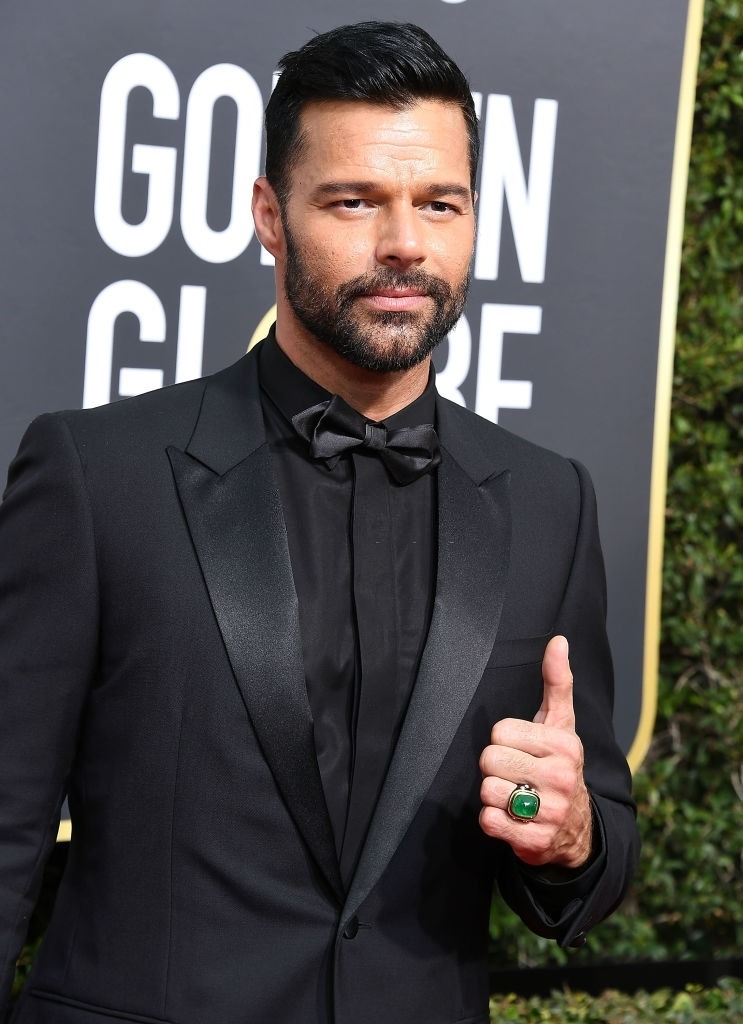
Ricky Martin, born Enrique Jose Martin Morales IV on December 24, 1971, in San Juan, Puerto Rico, is a global icon who has significantly influenced the world of pop music. With a career spanning over three decades, Martin’s impact on Latin pop culture is unparalleled. His journey from a child star in Puerto Rico to an international sensation has been marked by his incredible talent, charisma, and ability to connect with audiences worldwide. This article delves into the life and career of Ricky Martin, exploring his rise to fame, personal life, and enduring legacy.
Early Life and Introduction to Showbiz
Ricky Martin’s entry into the world of entertainment began at an incredibly young age. At just six years old, he was already appearing in television commercials in Puerto Rico. This early exposure to the media laid the groundwork for what would become a prolific career. His big break came in 1984 when he joined the boy band Menudo after several auditions. Menudo was one of the most popular Latin boy bands of the time, and Ricky’s involvement in the group introduced him to international stardom.
During his five-year tenure with Menudo, Martin traveled the world and performed in multiple languages, honing his singing and performance skills. However, by the time he was 18, Ricky had outgrown the boy band phase. He returned to Puerto Rico to complete his high school education before moving to New York to pursue a solo career in music. This transition marked the beginning of a new chapter in his life, one that would see him evolve into one of the most celebrated artists of his generation.
Solo Career Beginnings
Ricky Martin’s solo career officially began in 1988 when he signed with Sony Latin Division. His first self-titled album, “Ricky Martin,” was released in 1991, followed by “Me Amaras” in 1993. These early works helped establish him as a solo artist, particularly within the Latin music community. However, it wasn’t until his third album, “A Medio Vivir,” released in 1995, that Martin began to gain widespread recognition. The album featured the hit single “Maria,” which became a massive success in Latin America and Europe, propelling Ricky Martin into the global spotlight.
Breakthrough and International Fame
The turning point in Ricky Martin’s career came with the release of his fourth studio album, “Vuelve,” in 1998. The album included the iconic single “La Copa de la Vida” (The Cup of Life), which was chosen as the official song for the 1998 FIFA World Cup in France. Ricky Martin’s performance of the song during the World Cup Final was a defining moment that showcased his electrifying stage presence and cemented his status as an international superstar.
Following this success, Martin’s career skyrocketed, particularly with the release of his first English-language album, “Ricky Martin,” in 1999. The album included the smash hit “Livin’ la Vida Loca,” which topped charts worldwide and became one of the best-selling singles of all time. The infectious energy of “Livin’ la Vida Loca” resonated with audiences across the globe, making Ricky Martin a household name and solidifying his position as a leading figure in the Latin pop explosion of the late 1990s.
Ricky Martin: The Cultural Icon
Ricky Martin’s impact extends beyond his music. He became a symbol of the Latin pop movement, representing the vibrant culture and energy of Latin America on the global stage. His success helped pave the way for other Latin artists, contributing to the genre’s growing popularity worldwide. Martin’s appeal was not just limited to his musical talents; his good looks, charismatic personality, and dynamic performances made him a global icon and a sex symbol of the 1990s.
In 1999, Martin’s influence was further recognized when he appeared on the cover of Time Magazine, an honor that underscored his role in bringing Latin music to mainstream audiences. The magazine dubbed him “The King of Latin Pop,” a title that accurately reflected his impact on the music industry.
Grammy Awards and Continued Success
Ricky Martin’s success was not just commercial; it was also critically acclaimed. He received numerous awards and nominations throughout his career, including Grammy Awards and Latin Grammy Awards. His 1998 album “Vuelve” earned him his first Grammy for Best Latin Pop Performance, and his subsequent albums continued to receive critical praise.
In 2000, Ricky Martin released “Sound Loaded,” which featured hits like “She Bangs” and “Nobody Wants to Be Lonely.” Although the album didn’t quite match the unprecedented success of “Livin’ la Vida Loca,” it still performed well commercially and further solidified Martin’s position as a leading figure in the music industry. “She Bangs” became another global hit, and Martin’s performance at the Grammy Awards that year was another highlight in his career.
Personal Life and Advocacy
Ricky Martin’s personal life has been as compelling as his professional career. In August 2008, he became the father of twin boys, Valentino and Matteo, through gestational surrogacy. This marked a new chapter in his life, where he embraced fatherhood with open arms.
In 2010, Ricky Martin made headlines when he publicly came out as gay in a heartfelt message on his website. This revelation was met with widespread support, and Martin’s openness about his sexuality made him a significant figure in the LGBTQ+ community. His coming out was a powerful moment, not just for him personally, but also for many fans who saw him as a role model. It also marked a broader shift in the music industry, where more artists began to speak openly about their sexual orientation.
In addition to his music and acting career, Ricky Martin is also known for his philanthropy. In 2004, he founded the Ricky Martin Foundation, which is dedicated to fighting human trafficking and protecting children’s rights. His foundation’s work has been instrumental in raising awareness about these critical issues and providing support to vulnerable communities worldwide.
Return to Music and Acting
After taking a brief hiatus from the music industry, Ricky Martin returned with a renewed passion for both music and acting. In 2011, he released the album “Musica+Alma+Sexo,” which was well-received by critics and fans alike. The album showcased Martin’s continued evolution as an artist, blending traditional Latin sounds with contemporary pop influences.
Martin also returned to the stage, this time on Broadway, where he starred as Che Guevara in the revival of the musical “Evita.” His performance was lauded by critics, proving once again that his talents extended beyond the recording studio.
In the mid-2010s, Ricky Martin continued to expand his reach by taking on roles as a coach on popular talent shows such as “The Voice Australia” and “La Voz…México.” His involvement in these shows not only demonstrated his commitment to nurturing new talent but also allowed him to connect with a new generation of fans.
Recent Years and Ongoing Influence
In recent years, Ricky Martin has continued to release new music and perform around the world. His 2015 album “A Quien Quiera Escuchar” won the Grammy Award for Best Latin Pop Album, further cementing his legacy as one of the most successful Latin artists of all time. The album’s success demonstrated that Martin’s appeal had not waned, even after decades in the industry.
In addition to his music career, Ricky Martin has also remained active in acting and philanthropy. He starred in the critically acclaimed TV series “The Assassination of Gianni Versace: American Crime Story,” where his performance was praised by both critics and audiences. This role marked another significant achievement in his acting career, showcasing his versatility and depth as an actor.
Conclusion
Ricky Martin’s journey from a young boy in Puerto Rico to a global superstar is a testament to his talent, perseverance, and impact on the entertainment industry. Over the years, he has not only entertained millions with his music but also used his platform to advocate for important social issues. His legacy as a trailblazer in the Latin pop genre is secure, and his influence on future generations of artists is undeniable.
As Ricky Martin continues to evolve as an artist and public figure, his contributions to music, culture, and social causes will undoubtedly continue to resonate for years to come. His story is one of success, resilience, and unwavering dedication to his craft and his values.


