
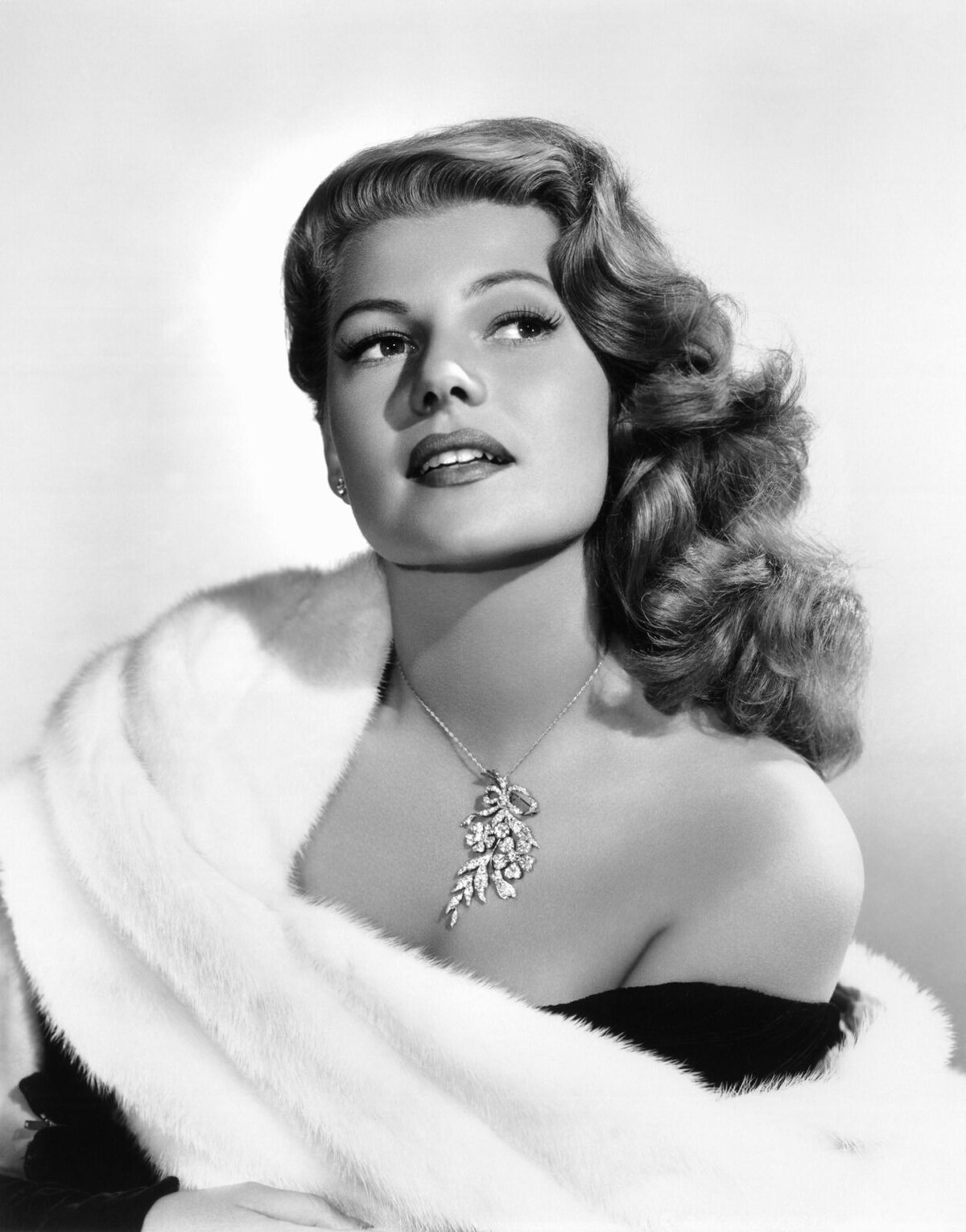
Rita Hayworth, born Margarita Carmen Cansino on October 17, 1918, in New York City, is an icon whose name evokes the golden age of Hollywood. Her life story is one of transformation, struggle, and eventual stardom, which still captivates audiences decades after her passing. Hayworth’s journey to becoming one of the most celebrated actresses of her time was marked by perseverance, reinvention, and a complex relationship with the Hollywood studio system.
Early Life and Transformation
Rita Hayworth’s beginnings were far removed from the glamour that would later define her career. Born to a Spanish father, Eduardo Cansino, who was a renowned dancer, and an Irish-American mother, Volga Hayworth, who had also been a showgirl, Rita was destined for the stage from a young age. She began performing with her father in nightclubs at the tender age of 12, showcasing her natural talent for dance.
Despite her early start, the road to success was anything but smooth. Hayworth’s first foray into Hollywood was marred by a series of small roles in B-movies and an initial contract with Fox that led nowhere. It wasn’t until she was signed by Columbia Pictures that her fortunes began to change. Columbia’s head, Harry Cohn, recognized her potential but insisted on a transformation that would distance her from her Hispanic roots. Her name was changed to Rita Hayworth, and her appearance was altered to fit the more conventional Hollywood standards of beauty at the time. This included painful electrolysis to raise her hairline, effectively “whitening” her image for broader appeal.
The Rise to Stardom
Rita Hayworth’s breakthrough came in 1941 with the film “Bionda Fragola” (also known as “Strawberry Blonde”), which marked the beginning of her rise to fame. However, it was her role in the 1946 film “Gilda” that catapulted her into the realm of Hollywood legends. The iconic scene where she performed a striptease while singing “Put the Blame on Mame” remains one of the most memorable moments in cinema history. Gilda, the character she portrayed, became her most enduring image—one of a sultry, seductive femme fatale. This role forever linked her to the archetype of the glamorous Hollywood starlet, and the public’s perception of her was deeply intertwined with this persona.
Hayworth’s beauty, talent, and screen presence led to a string of successful films throughout the 1940s, including “Blood and Sand” (1941), “Cover Girl” (1944), and “The Lady from Shanghai” (1947), directed by Orson Welles, her then-husband. These films solidified her status as one of the leading actresses of her time, admired not only for her acting but also for her dance skills, which she showcased alongside legends like Fred Astaire and Gene Kelly.
Personal Life and Struggles
Behind the glamour and success, Hayworth’s personal life was fraught with difficulties. She married five times, each relationship revealing the challenges she faced as a woman in Hollywood. Her first marriage, to Edward C. Judson, ended in divorce, and she later married Orson Welles in 1943. Although their marriage was highly publicized, it was also turbulent, culminating in divorce in 1947.
Perhaps the most significant of her marriages was to Prince Aly Khan, the son of the Aga Khan, in 1949. This marriage made her a princess and brought her international fame beyond Hollywood. However, their union was short-lived, and they divorced in 1953. Hayworth’s subsequent marriages, to singer Dick Haymes and producer James Hill, also ended in divorce, highlighting the instability in her personal life.
These turbulent relationships, combined with the pressures of maintaining her public image, took a toll on Hayworth. Her struggles with alcohol began to surface during this period, contributing to the decline of her career in the 1950s. Despite these challenges, she continued to work in film, although her roles became fewer and less prominent.
Later Years and Legacy
As the golden age of Hollywood began to fade, so too did Hayworth’s career. Her final significant film role was in “The Money Trap” (1965), after which she largely retired from acting. Unfortunately, her later years were marked by a tragic battle with Alzheimer’s disease, a condition that was not well understood at the time. Her diagnosis in the early 1980s shocked many, as it became public that the once-vibrant actress was suffering from the debilitating effects of the disease.
Rita Hayworth passed away on May 14, 1987, at the age of 69. Her death brought attention to Alzheimer’s disease, and her daughter, Yasmin Aga Khan, became an advocate for Alzheimer’s research, raising millions for the cause in her mother’s memory.
The Enduring Influence of Rita Hayworth
Rita Hayworth’s legacy extends far beyond her filmography. She was a pioneer for women in Hollywood, navigating a system that often sought to control and define its female stars. Despite the challenges she faced, Hayworth managed to create a lasting impact on the film industry, and her influence can be seen in the generations of actresses who followed her.
Her life story is also a reflection of the broader cultural and social dynamics of Hollywood during its golden age. The transformation of Margarita Cansino into Rita Hayworth is emblematic of the pressures to conform to a certain image, one that often erased ethnic identity in favor of a more homogenized, “all-American” appearance. This aspect of her life speaks to the broader issues of race, identity, and representation in Hollywood, issues that continue to resonate today.
Moreover, Hayworth’s struggle with Alzheimer’s disease and the subsequent public awareness it generated has had a lasting impact. Her name is now associated not only with the glamour of Hollywood but also with the fight against one of the most devastating neurological diseases.
Conclusion
Rita Hayworth remains a symbol of Hollywood’s golden age, a time when stars were larger than life, and their images were meticulously crafted to captivate the public imagination. Her life was one of both immense success and profound personal challenges, a testament to the complexities of fame. As we look back on her career and legacy, it is clear that Rita Hayworth was more than just a screen goddess—she was a trailblazer, a woman of remarkable talent, and a figure whose influence continues to be felt in the entertainment industry and beyond.
Her story is a reminder of the fleeting nature of fame and the enduring power of film. Rita Hayworth’s name will forever be synonymous with the glamour, allure, and magic of classic Hollywood.


