
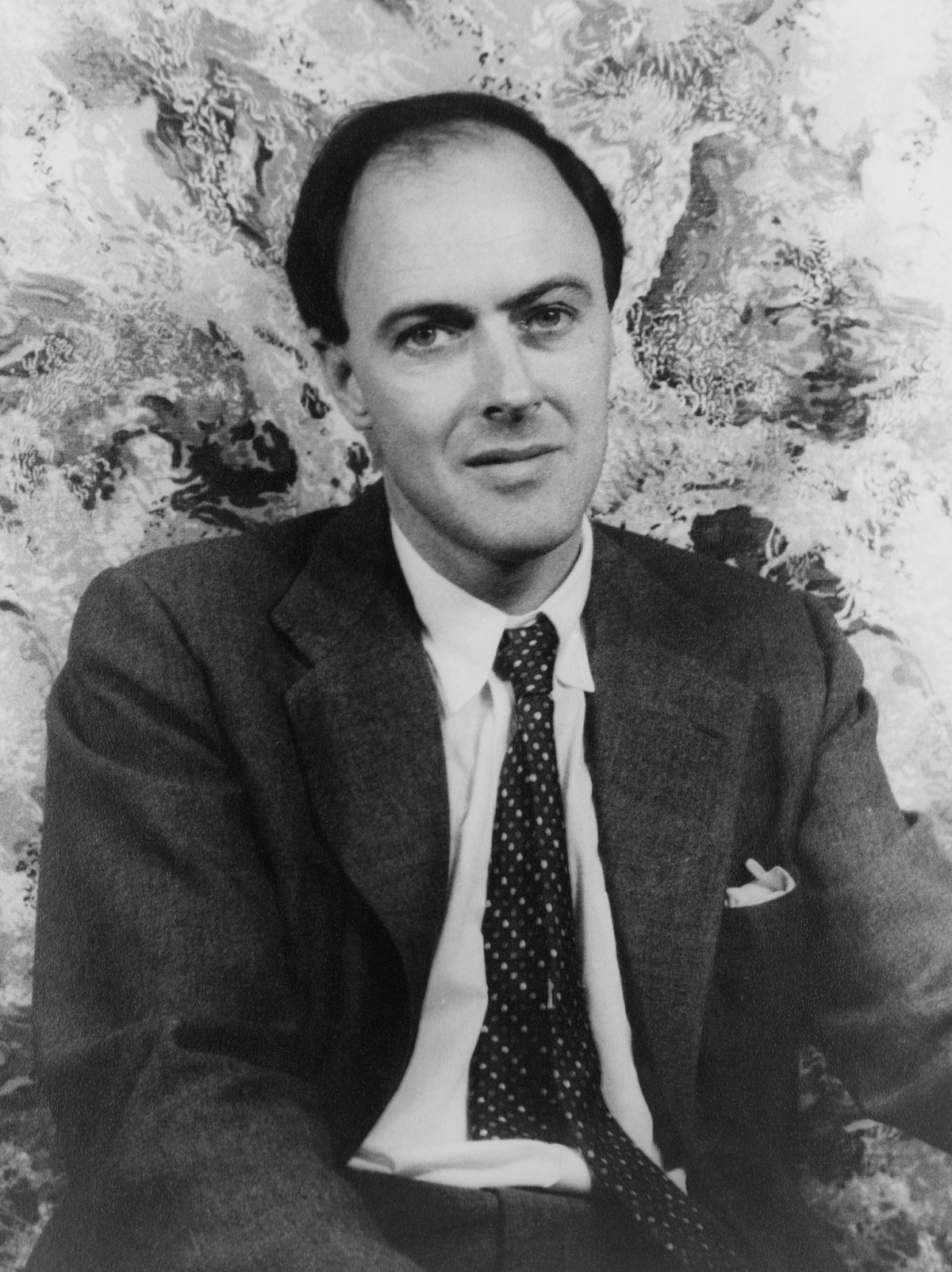
Roald Dahl, one of the most beloved and influential authors of the 20th century, was born on September 13, 1916, in Llandaff, Wales. With Norwegian parents and a childhood marked by both tragedy and adventure, Dahl would grow up to become a literary giant known for his wildly imaginative stories that captivated both children and adults. From his early life experiences to his rise to fame and the legacy he left behind, this article delves into the life, achievements, and lasting impact of Roald Dahl, offering a comprehensive look at the man behind some of the world’s most cherished stories.
Early Life and Formative Years
Roald Dahl was born into a family of Norwegian descent. His father, Harald Dahl, was a successful businessman, and his mother, Sofie Magdalene Dahl, played a significant role in nurturing his love for stories and adventure. Dahl’s early life was marked by both loss and resilience. When he was just three years old, his sister Astrid died from appendicitis at the age of seven, and weeks later, his father passed away from pneumonia. Despite these early tragedies, his mother chose to remain in Wales to honor her husband’s wishes to have their children educated in British schools.
Dahl’s schooling years were influential in shaping his future career as a writer. He attended several boarding schools, including Llandaff Cathedral School, St. Peter’s Preparatory School, and Repton School. His experiences at these institutions were far from idyllic, as he was often subjected to the harsh and often brutal treatment that was common in British boarding schools at the time. These experiences left a lasting impression on him and would later surface in his writing, particularly in his portrayal of cruel and tyrannical adults in his children’s books.
One of the most vivid memories from his school days was a visit to a local chocolate factory, where the boys at Repton School were invited to test new chocolate bars. This experience planted the seed for one of his most famous works, “Charlie and the Chocolate Factory,” which would become a cornerstone of his literary legacy.
From Wartime Pilot to Writer
After completing his education, Dahl did not immediately pursue writing. Instead, his adventurous spirit led him to join the Royal Air Force (RAF) in 1939 at the outset of World War II. He was stationed in Africa, where he flew fighter planes and took part in numerous combat missions. Dahl’s time as a pilot was marked by both bravery and tragedy. In 1940, he was involved in a near-fatal crash in the Libyan Desert, which left him with severe injuries, including a fractured skull and temporary blindness.
After recovering from his injuries, Dahl continued to serve as a pilot until 1941, when the injuries he had sustained in the crash forced him to return to England. His wartime experiences would later influence his writing, particularly in his works for adults, where themes of violence, survival, and the darker aspects of human nature often emerged.
It was during his time in the United States, where he was posted as an assistant air attaché at the British Embassy in Washington, D.C., that Dahl began to explore writing more seriously. His first published work, “A Piece of Cake,” was a short story based on his experiences as a pilot, and it appeared in The Saturday Evening Post in 1942. The success of this story encouraged him to continue writing, and soon he was producing a steady stream of short stories, many of which were published in major American magazines.
The Rise to Fame: Children’s Literature
Although Dahl found early success as a writer of short stories for adults, it was his venture into children’s literature that would bring him international fame and recognition. His first book for children, “The Gremlins,” was published in 1943 and was inspired by RAF folklore about mischievous creatures that sabotaged aircraft. Although the book was moderately successful, it was not until the 1960s that Dahl truly established himself as a master of children’s literature.
In 1961, Dahl published “James and the Giant Peach,” a fantastical tale about a young boy’s adventure inside a giant peach, which quickly became a classic. This was followed by the publication of “Charlie and the Chocolate Factory” in 1964, a story that would become one of his most famous and enduring works. The book’s whimsical and sometimes dark narrative, combined with its memorable characters like Willy Wonka and the Oompa-Loompas, captured the imaginations of readers around the world.
Dahl’s ability to tap into the fears, desires, and fantasies of children made his stories resonate deeply with young readers. His books often featured children as the heroes, pitted against cruel and sometimes grotesque adults, reflecting the power dynamics he observed and experienced in his own childhood. This recurring theme, along with his imaginative plots, witty language, and unexpected twists, became the hallmark of his writing.
Throughout the 1970s and 1980s, Dahl continued to write some of his most iconic books, including “Fantastic Mr. Fox” (1970), “The BFG” (1982), “The Witches” (1983), and “Matilda” (1988). These works not only solidified his reputation as one of the greatest children’s authors of all time but also introduced generations of young readers to the joys of reading.
A Complex Personal Life
Roald Dahl’s personal life was as eventful and complex as the stories he wrote. In 1953, he married Patricia Neal, an American actress known for her roles in films like “Hud” and “The Day the Earth Stood Still.” The couple had five children together, but their family life was marred by a series of tragic events. In 1960, their son, Theo, was severely injured in a car accident, resulting in a brain injury that required extensive surgery and rehabilitation. Just two years later, their daughter, Olivia, died from complications of measles encephalitis at the age of seven. In 1965, Patricia suffered three massive strokes while pregnant with their fifth child, leaving her partially paralyzed and with speech difficulties.
Despite these hardships, Dahl remained a devoted father and husband, and he played a significant role in Patricia’s recovery. Their marriage, however, was strained, and in 1983, they divorced after 30 years together. Dahl later married Felicity “Liccy” Crosland, with whom he spent the rest of his life.
The tragedies that struck Dahl’s family deeply influenced his writing, particularly in the way he approached themes of loss, grief, and the resilience of children in the face of adversity. These elements can be seen in books like “The BFG,” where the orphaned protagonist finds solace in an unlikely friendship, and in “Matilda,” where a neglected child discovers her own power and intelligence.
Legacy and Impact on Literature
Roald Dahl’s contributions to literature have left an indelible mark on both children’s and adult fiction. His books have been translated into numerous languages and have sold over 250 million copies worldwide. Many of his stories have been adapted into films, plays, and musicals, ensuring that his work continues to reach new audiences.
One of Dahl’s most significant legacies is the way he transformed children’s literature. Before Dahl, children’s books often adhered to strict moralistic tones, teaching lessons through didactic narratives. Dahl, however, broke away from this tradition, infusing his stories with a sense of mischief, dark humor, and irreverence. His books were not afraid to explore the darker sides of life, but they did so in a way that was accessible and engaging for young readers.
Dahl’s influence extends beyond his books. He was also a successful screenwriter, penning the script for the James Bond film “You Only Live Twice” (1967) and co-writing the screenplay for “Chitty Chitty Bang Bang” (1968). His storytelling skills and understanding of narrative structure made him a sought-after writer in Hollywood, further expanding his reach and impact.
In addition to his literary achievements, Dahl was a philanthropist who supported numerous charities, particularly those focused on children’s health and welfare. He was also instrumental in developing the Wade-Dahl-Till valve, a medical device used to treat hydrocephalus, inspired by his son Theo’s condition.
Criticisms and Controversies
Despite his many accomplishments, Roald Dahl was not without his critics. Some of his works have been criticized for their portrayal of certain characters and themes, which some readers and scholars have found problematic. For example, “The Witches” has been criticized for its depiction of women, while “Charlie and the Chocolate Factory” has faced scrutiny for its portrayal of the Oompa-Loompas.
Moreover, Dahl’s personal views and statements have also sparked controversy. He made several anti-Semitic remarks throughout his life, which have led to debates about how to reconcile his offensive views with his contributions to literature. In recent years, there has been an ongoing discussion about how to approach Dahl’s legacy, with some calling for a more critical examination of his work and life.
Despite these controversies, Roald Dahl’s impact on literature and popular culture remains undeniable. His ability to craft stories that resonate with readers of all ages has cemented his place as one of the most important writers of the 20th century.
Conclusion: The Enduring Appeal of Roald Dahl
Roald Dahl’s legacy is one of creativity, resilience, and a deep understanding of the human condition. His stories continue to captivate readers around the world, offering them a unique blend of humor, fantasy, and a touch of darkness. Dahl’s ability to speak to both children and adults, to entertain while also exploring complex emotions and ideas, has ensured that his work remains relevant and beloved decades after his death.
Dahl passed away on November 23, 1990, from leukemia, leaving behind a body of work that continues to inspire and delight. His books are a testament to the power of storytelling and the enduring impact that one author can have on the world. As we continue to revisit and reinterpret his stories, Roald Dahl’s influence on literature and culture is sure to endure for generations to come.


