
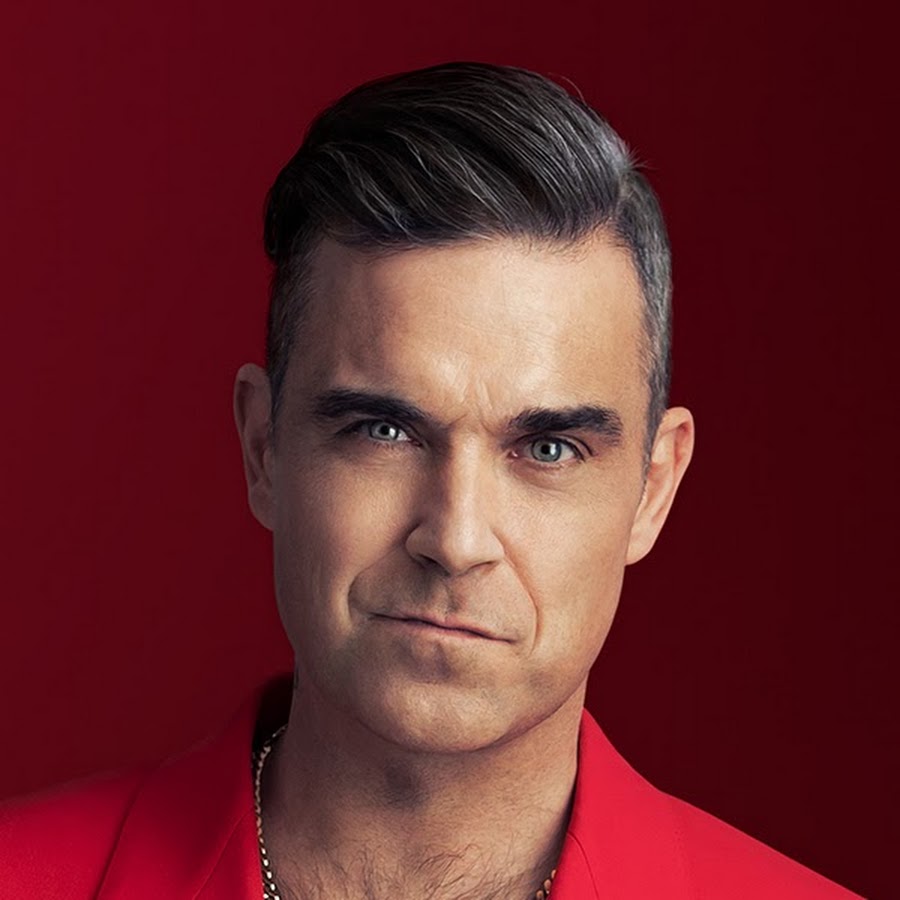
Robbie Williams, born Robert Peter Williams on February 13, 1974, in Stoke-on-Trent, England, is one of the most recognizable names in the music industry. Known for his charismatic stage presence, rebellious spirit, and anthemic pop songs, Williams has had a career spanning over three decades. From his early days as a member of the boy band Take That to his successful solo career, Robbie Williams has continually reinvented himself, becoming a cultural icon in the process. This article delves into the life and career of Robbie Williams, exploring his rise to fame, personal struggles, and the key highlights that have defined his career.
Early Life and Musical Beginnings
Robbie Williams was born into a working-class family in Stoke-on-Trent, a small town in England. His father, Pete Conway, was a comedian and singer, and his mother, Janet Williams, ran a pub. From a young age, Robbie showed a natural talent for performing, often participating in school plays and talent shows. However, his academic life was less successful, and he struggled with dyslexia, leading to difficulties in school.
At the age of 16, Robbie’s life took a dramatic turn when he was invited to audition for a new boy band called Take That. The band was formed in 1990 and quickly rose to fame in the UK, becoming one of the most successful pop acts of the 1990s. Take That was known for their polished image, catchy pop tunes, and choreographed dance routines. Robbie, the youngest member of the group, stood out for his cheeky personality and energetic performances.
Take That: The Boy Band Phenomenon
Take That dominated the UK charts throughout the early 1990s with hits like “Pray,” “Relight My Fire,” and “Back for Good.” The band’s popularity was unprecedented, and they became the quintessential boy band of the decade. However, the intense pressure of fame and the rigid control exerted by the band’s management began to take its toll on Robbie. He often felt stifled by the band’s image and struggled with the constraints placed on his creativity.
By 1995, tensions within the band had reached a breaking point. Robbie’s behavior became increasingly erratic, fueled by his growing frustration and his experimentation with drugs and alcohol. In July 1995, just before the band’s world tour, Robbie left Take That. His departure shocked fans and marked the beginning of a tumultuous period in his life.
The Birth of a Solo Career
After leaving Take That, Robbie Williams embarked on a solo career that would eventually make him one of the most successful British solo artists of all time. However, the transition was not easy. His first solo single, a cover of George Michael’s “Freedom,” was moderately successful, but it wasn’t until the release of his debut album, Life Thru a Lens (1997), that Robbie began to establish himself as a solo artist.
Life Thru a Lens initially received mixed reviews, and sales were slow. However, the album’s fourth single, “Angels,” became a massive hit, catapulting Robbie to stardom. “Angels” remains one of his most iconic songs and is often credited with saving his solo career. The success of the single helped the album reach number one on the UK Albums Chart and earned Robbie critical acclaim.
Following the success of Life Thru a Lens, Robbie released his second album, I’ve Been Expecting You (1998), which solidified his status as a pop superstar. The album featured hits like “Millennium” and “No Regrets,” both of which showcased Robbie’s ability to blend catchy pop melodies with introspective lyrics. I’ve Been Expecting You topped the UK charts and sold millions of copies worldwide, establishing Robbie as a force to be reckoned with in the music industry.
Fame and Personal Struggles
As Robbie’s fame grew, so did his struggles with addiction and mental health. The pressures of constant media scrutiny, coupled with his desire to live up to the expectations of his fans, led to a downward spiral. Throughout the late 1990s and early 2000s, Robbie battled with substance abuse, depression, and anxiety. His public image was often at odds with his private life, as he oscillated between moments of triumph and periods of deep personal turmoil.
Despite these challenges, Robbie continued to produce hit after hit. His third album, Sing When You’re Winning (2000), was another commercial success, featuring singles like “Rock DJ” and “Supreme.” The album’s lead single, “Rock DJ,” became infamous for its controversial music video, in which Robbie strips down to his skeleton, a visual metaphor for his willingness to bare his soul to the public.
In 2001, Robbie released Swing When You’re Winning, an album of swing covers that paid homage to the classic American songbook. The album featured a duet with Nicole Kidman on the song “Somethin’ Stupid,” which became a chart-topping hit in the UK. The success of the album demonstrated Robbie’s versatility as an artist and his ability to transcend the boundaries of pop music.
Continued Success and Reinvention
The early 2000s saw Robbie Williams continue to dominate the music scene with a string of successful albums and tours. His 2002 album, Escapology, featured the hit single “Feel,” which became one of his most popular songs to date. The album’s themes of love, loss, and the search for meaning resonated with fans and critics alike.
However, as the decade progressed, Robbie’s relationship with the music industry became increasingly strained. In 2006, he released Rudebox, an album that marked a departure from his usual sound, incorporating elements of dance and electronic music. The album received mixed reviews, with some critics praising its experimentation and others criticizing it as unfocused. Despite the mixed reception, Rudebox reached number one in the UK and continued to showcase Robbie’s willingness to take risks with his music.
Following the release of Rudebox, Robbie took a hiatus from music, during which he focused on his personal life and mental health. In 2009, he returned with the album Reality Killed the Video Star, which marked a return to his pop roots. The album was produced by Trevor Horn and featured the hit single “Bodies.” While the album was well-received, it did not achieve the same level of commercial success as his earlier work.
The Take That Reunion and Beyond
In 2010, Robbie Williams shocked the music world by reuniting with Take That, 15 years after his departure from the band. The reunion was met with widespread excitement, and the band released the album Progress, which became one of the fastest-selling albums in UK history. The success of Progress and the accompanying tour demonstrated the enduring popularity of Take That and the public’s continued affection for Robbie.
Despite the success of the reunion, Robbie soon returned to his solo career. In 2012, he released Take the Crown, an album that reaffirmed his status as a pop icon. The album featured the hit single “Candy,” which became his first UK number-one single in eight years. Robbie continued to release new music throughout the 2010s, including Swings Both Ways (2013) and The Heavy Entertainment Show (2016), both of which were commercially successful.
Robbie Williams also became known for his live performances, with his tours consistently selling out arenas around the world. His charismatic stage presence and ability to connect with audiences have made him one of the most successful live performers of his generation. In 2017, Robbie was honored as one of the headlining acts at the Glastonbury Festival, further cementing his status as a music legend.
Legacy and Impact on Pop Culture
Robbie Williams’ impact on pop culture extends far beyond his music. He is known for his larger-than-life personality, his willingness to speak openly about his struggles with addiction and mental health, and his ability to reinvent himself throughout his career. His journey from boy band member to solo superstar is a testament to his talent, resilience, and determination.
Williams’ influence can be seen in the way he has shaped the careers of other artists, particularly in the pop and dance music genres. His willingness to experiment with different musical styles and his refusal to be pigeonholed as a “pop star” have inspired countless musicians to take creative risks and push the boundaries of their work.
In addition to his musical achievements, Robbie Williams has also been involved in various philanthropic efforts. He has supported numerous charities, including UNICEF and the Donna Louise Trust, and has used his platform to raise awareness about important social issues. His commitment to giving back to the community is another aspect of his legacy that continues to resonate with fans and admirers.
Historical Context and Cultural Significance
Robbie Williams’ career must be understood within the broader context of the music industry and cultural trends of the late 20th and early 21st centuries. His rise to fame coincided with the height of the boy band phenomenon, a time when pop music was dominated by carefully crafted groups aimed at a teenage audience. However, Robbie’s departure from Take That and subsequent solo career marked a shift in the pop music landscape, as he embraced a more mature and eclectic sound.
Williams’ success as a solo artist also reflects the changing nature of celebrity in the digital age. His openness about his personal struggles, his engagement with fans through social media, and his willingness to push the boundaries of his public persona have made him a pioneer in the way modern pop stars navigate fame. His ability to connect with audiences on a personal level, while maintaining a sense of mystery and intrigue, has kept him relevant in an ever-evolving industry.
Conclusion
Robbie Williams’ life and career are a testament to the power of reinvention and the enduring appeal of a true pop icon. From his early days in Take That to his successful solo career, Robbie has continually pushed the boundaries of what it means to be a pop star. His music, characterized by its catchy melodies, introspective lyrics, and genre-defying experimentation, has left an indelible mark on the industry.
Despite the challenges he has faced, including battles with addiction and mental health, Robbie Williams has remained a beloved figure in the world of music. His ability to connect with fans, both through his music and his candidness about his personal life, has earned him a devoted following that spans generations. As he continues to release new music and perform to sold-out crowds, there is no doubt that Robbie Williams’ legacy will endure for years to come.


