
Introduction
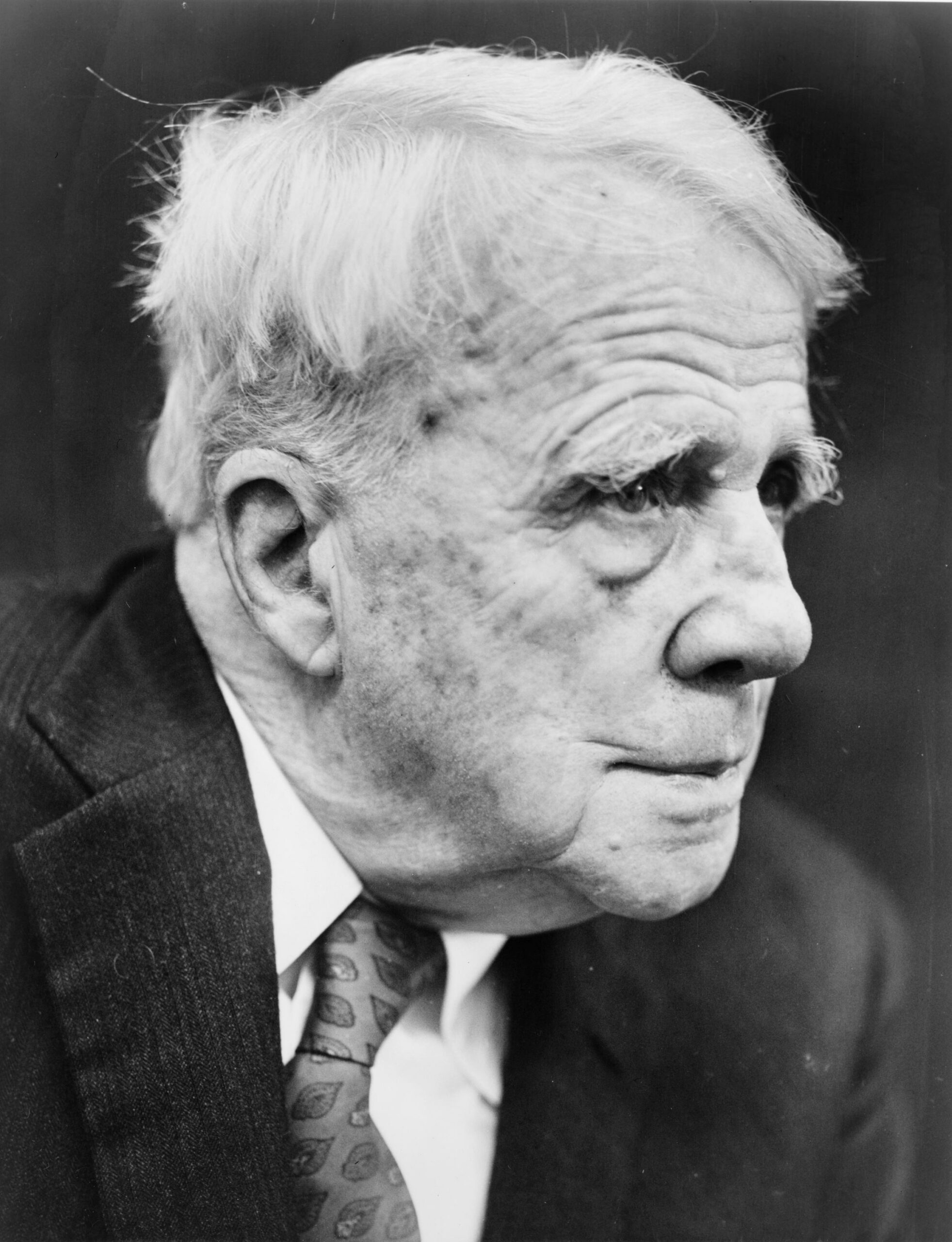
Robert Frost, a name synonymous with American poetry, is one of the most celebrated literary figures of the 20th century. His works, often set against the rural backdrop of New England, delve into complex themes of human emotion, nature, and existential reflection. Frost’s journey from a modest beginning to becoming a four-time Pulitzer Prize-winning poet is as remarkable as the verses he penned. This article provides a detailed exploration of Frost’s life, from his early years to his rise to fame, while highlighting the key moments that shaped his illustrious career.
Early Life and Education
Robert Lee Frost was born on March 26, 1874, in San Francisco, California, to Isabelle Moodie, a Scottish immigrant, and William Prescott Frost Jr., a journalist. The family lived in California until Frost’s father passed away in 1885, at which point they moved to Lawrence, Massachusetts, where Robert would spend most of his childhood.
Frost’s early education took place in Lawrence High School, where he showed an early interest in literature. In 1892, he graduated as the valedictorian of his class, marking the beginning of his lifelong engagement with poetry. His first published work, a poem in his high school’s magazine, hinted at the literary promise that would later be fulfilled.
After high school, Frost briefly attended Dartmouth College but left after two months. Although his time at Dartmouth was short, it was significant enough for him to join the Theta Delta Chi fraternity, providing him with a network of connections that would later support his literary endeavors. Despite leaving college, Frost continued to write, holding various jobs, including teaching, while honing his craft.
The First Steps in Literature
Frost’s first major breakthrough came in 1894 when he sold his poem “My Butterfly: An Elegy” to The New York Independent for $15—a significant sum at the time. This accomplishment was not just a financial success but also a personal one. Proud of his achievement, Frost proposed to Elinor Miriam White, his high school sweetheart, but she declined, wanting to finish her college education first. They eventually married in December 1895, a union that would produce six children, although their lives were marked by personal tragedy, with the loss of several of their children to illness and suicide.
Academic Pursuits and Farming Life
Between 1897 and 1899, Frost attended Harvard University, but he left without completing his degree due to health issues. With his academic pursuits cut short, Frost turned to farming, a vocation that he would return to multiple times throughout his life. His grandfather purchased a farm in Derry, New Hampshire, for him and Elinor, where Frost continued to write while managing the day-to-day tasks of farm life.
It was during these years that Frost began to refine his poetic voice. The rural setting of New England, with its stark, sometimes harsh beauty, became the backdrop for much of his poetry. However, the demands of farming and the isolation it brought eventually led Frost to return to teaching. He taught at the Pinkerton Academy in New Hampshire and later at the New Hampshire Normal School in Plymouth.
Journey to England and Rise to Fame
In 1912, Frost made a bold decision that would change the course of his career—he moved his family to England. This move, prompted by the belief that the British literary scene was more receptive to new voices, proved to be pivotal. Settling in Beaconsfield, a small town near London, Frost published his first collection of poems, “A Boy’s Will,” in 1913. The book received positive reviews, establishing Frost as a promising new poet.
During his time in England, Frost formed significant literary relationships. He met and befriended poets such as Edward Thomas, who would later inspire one of Frost’s most famous poems, “The Road Not Taken.” He also interacted with figures like T.E. Hulme and Ezra Pound, the latter of whom played a crucial role in promoting Frost’s work to American audiences.
Frost’s second collection, “North of Boston,” was published in 1914, further cementing his reputation as a leading poet. The collection included some of his most famous poems, such as “Mending Wall” and “After Apple-Picking,” which showcased his ability to combine rural imagery with profound philosophical insights.
Return to America and Continued Success
In 1915, as World War I escalated in Europe, Frost returned to the United States. He purchased a farm in Franconia, New Hampshire, where he continued to write while also teaching and lecturing. This period marked the beginning of Frost’s widespread recognition in America. His poetry resonated with a nation grappling with the complexities of modernity and the aftermath of war.
Frost’s career reached new heights in the 1920s. He began teaching at Amherst College in Massachusetts and spent several summers teaching at the Bread Loaf School of English at Middlebury College in Vermont. His popularity as a teacher and lecturer grew, as did his reputation as a poet. In 1924, Frost won the first of his four Pulitzer Prizes for his collection “New Hampshire: A Poem with Notes and Grace Notes.” The award marked his official entry into the pantheon of great American poets.
Personal Tragedies and Late-Life Achievements
Despite his professional success, Frost’s personal life was marked by tragedy. He lost several of his children to illness, and in 1940, his son Carol committed suicide. These personal losses deeply affected Frost, and their echoes can be felt in the darker tones of his later work.
In the 1940s and 1950s, Frost continued to write and publish. He won additional Pulitzer Prizes for “Collected Poems” (1931), “A Further Range” (1937), and “A Witness Tree” (1947). His work during this period continued to explore themes of nature, individuality, and the human condition, often with a somber, reflective tone.
In 1961, at the age of 86, Frost was invited to recite a poem at the inauguration of President John F. Kennedy. The poem, “The Gift Outright,” which he recited from memory after struggling with the glare on the original manuscript, highlighted his status as a national icon. This moment was one of the most public acknowledgments of Frost’s contribution to American culture.
Legacy and Death
Robert Frost passed away on January 29, 1963, in Boston, Massachusetts, due to complications following prostate surgery. He was 88 years old. Frost was buried in the Old Bennington Cemetery in Bennington, Vermont, alongside many of his family members.
Frost’s legacy is vast. His poetry continues to be studied, celebrated, and revered for its simplicity and depth. His ability to capture the essence of rural America while exploring universal themes has made his work timeless. Frost’s influence extends beyond poetry; he has become a symbol of American resilience, creativity, and introspection.
Conclusion
Robert Frost’s life is a testament to the power of persistence, creativity, and the human spirit. From his humble beginnings in San Francisco to his rise as one of America’s most beloved poets, Frost’s journey was marked by both triumph and tragedy. His poetry, characterized by its exploration of nature, human emotion, and philosophical reflection, continues to resonate with readers around the world.
In understanding who Robert Frost was, one gains insight into not just the man himself but also the broader cultural and historical contexts in which he lived and wrote. Frost’s work remains a cornerstone of American literature, a reflection of the complexities of life, and a celebration of the beauty of the natural world.


