
Introduction
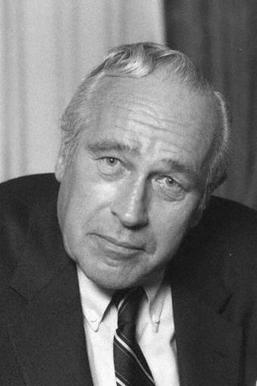
Robert Ludlum, often hailed as the “king of spy thrillers,” left an indelible mark on the world of literature with his gripping novels that have captivated readers worldwide. Born on May 25, 1927, in New York City, Ludlum was a multifaceted individual—an actor, producer, and later, one of the most successful authors of the 20th century. Known for his intricate plots, detailed research, and relentless pacing, Ludlum’s works have sold over 230 million copies and have been translated into 33 languages. This article delves into the life of Robert Ludlum, exploring his journey from an actor to a bestselling author, his rise to fame, and the legacy he left behind.
Early Life and Education
Robert Ludlum was born into a middle-class family in New York City. His early life was shaped by his father, George Hartford Ludlum, a businessman, and his mother, Margaret Wadsworth, who nurtured his interest in the arts. Ludlum attended private schools in New York and New Jersey, where he developed a passion for literature and drama. He later enrolled at the Wesleyan University in Middletown, Connecticut, a prestigious Methodist institution, where he studied drama. His education at Wesleyan provided him with a strong foundation in the arts and humanities, shaping his analytical thinking and creative abilities.
After completing his studies, Ludlum’s early career was marked by a diverse range of experiences. He served in the United States Marine Corps during World War II, a period that had a profound impact on him. The discipline, structure, and exposure to different cultures during his service would later influence his writing, particularly his understanding of global politics and military strategies.
Transition to Acting and Theater
Post-war, Ludlum returned to the United States and pursued a career in acting. He performed in numerous stage productions, television shows, and commercials, gaining recognition for his talent. His work in the theater was not just as an actor but also as a producer, which provided him with a deep understanding of storytelling, character development, and pacing—skills that would prove invaluable in his later writing career.
Ludlum’s experience in the theater world gave him a unique perspective on narrative structure and dialogue, which became hallmarks of his novels. He often cited his theatrical background as a key influence on his ability to create suspenseful, character-driven stories. Despite his success in theater, Ludlum felt a growing desire to explore his storytelling abilities in a different medium, leading him to the world of literature.
The Birth of a Novelist
It wasn’t until Ludlum was in his forties that he decided to transition from acting and producing to writing. His first novel, The Scarlatti Inheritance, was published in 1971 when Ludlum was 44 years old. The novel was an immediate success, introducing readers to Ludlum’s trademark style—fast-paced, intricate plots filled with twists and turns. The book’s success marked the beginning of Ludlum’s prolific career as a novelist.
The Scarlatti Inheritance was followed by a string of successful novels, including The Osterman Weekend (1972), The Matlock Paper (1973), and The Gemini Contenders (1976). These early works established Ludlum as a master of the spy thriller genre, a reputation that would only grow with each subsequent release. His novels often centered around ordinary individuals caught in extraordinary circumstances, embroiled in global conspiracies and espionage. This narrative formula resonated with readers, who were drawn to the suspense and complexity of Ludlum’s storytelling.
Rise to Fame: The Bourne Series
Perhaps Ludlum’s most famous contribution to literature is the Bourne series, which began with The Bourne Identity in 1980. The character of Jason Bourne, an amnesiac with extraordinary skills, quickly became one of the most iconic figures in the spy thriller genre. The Bourne Identity was followed by The Bourne Supremacy (1986) and The Bourne Ultimatum (1990), creating a trilogy that has since become a cultural phenomenon.
The Bourne series was groundbreaking in its depiction of a protagonist who was both highly capable and deeply flawed. Bourne’s struggle with his identity and his past added a layer of psychological depth to the action-packed narrative, making the series stand out in the crowded field of spy thrillers. The success of the Bourne books solidified Ludlum’s reputation as a master storyteller and earned him a global fanbase.
The Bourne series’ popularity extended beyond the printed page. The novels were adapted into a successful film franchise starring Matt Damon, which introduced Ludlum’s work to a new generation of fans. The films, particularly the first three, were critical and commercial successes, further cementing Ludlum’s legacy in popular culture.
Writing Style and Themes
Ludlum’s novels are characterized by their intricate plots, extensive research, and relentless pacing. He was known for his meticulous approach to writing, often spending months researching historical events, political landscapes, and military strategies to ensure the accuracy and plausibility of his stories. This dedication to detail is evident in the complexity of his plots, which often involve multiple layers of conspiracy, deception, and intrigue.
Ludlum’s work frequently explores themes of power, corruption, and the individual’s struggle against overwhelming odds. His protagonists are often ordinary people thrust into extraordinary situations, forced to navigate a world of espionage and danger. This focus on the individual’s battle against larger, often shadowy forces resonated with readers, particularly during the Cold War era when fears of global conspiracy and government overreach were at their peak.
Another recurring theme in Ludlum’s work is the idea of identity—both personal and political. His characters often grapple with questions of who they are and what they stand for, reflecting the broader societal concerns of the time. This exploration of identity is most evident in the Bourne series, where the protagonist’s quest to uncover his true self drives the narrative forward.
Later Works and Legacy
Ludlum continued to write prolifically throughout the 1980s and 1990s, producing a series of bestsellers that cemented his place as one of the most successful authors of his time. His later works include The Icarus Agenda (1988), The Road to Gandolfo (1992), and The Prometheus Deception (2000), which was published posthumously.
Despite the success of his novels, Ludlum remained a private individual, shunning the limelight and focusing on his craft. He was known for his disciplined writing routine, often working for several hours a day, seven days a week. His dedication to his craft paid off, as his books continued to sell millions of copies worldwide.
Ludlum’s impact on the literary world extends beyond his own work. He helped redefine the spy thriller genre, influencing a generation of writers who followed in his footsteps. His emphasis on complex plots, character development, and real-world plausibility set a new standard for the genre, one that continues to be emulated by authors today.
Robert Ludlum’s Legacy
Robert Ludlum passed away on March 12, 2001, at the age of 74, following a heart attack. His death marked the end of an era in the world of spy fiction, but his legacy lives on through his novels and the adaptations they inspired. To date, Ludlum’s books have sold over 230 million copies, making him one of the best-selling authors of all time.
Ludlum’s influence is particularly evident in the continued popularity of the Bourne franchise. The success of the films and the subsequent continuation of the book series by other authors, such as Eric Van Lustbader, demonstrate the enduring appeal of Ludlum’s creation. The Bourne character has become a cultural icon, representing a new kind of action hero—one who is as much a thinker as a fighter.
In addition to the Bourne series, Ludlum’s other works have also had a lasting impact on popular culture. Several of his novels have been adapted into films and television series, and his influence can be seen in the work of contemporary thriller writers. His ability to blend action, suspense, and psychological depth has set a standard that continues to inspire and challenge writers today.
Conclusion
Robert Ludlum’s life and work exemplify the power of storytelling. From his early days as an actor and producer to his rise as a bestselling author, Ludlum consistently demonstrated a talent for captivating audiences with his intricate plots and compelling characters. His novels have not only entertained millions of readers but also influenced the development of the spy thriller genre, leaving a lasting legacy that continues to resonate today.
As we look back on Ludlum’s life, it’s clear that his success was not just a product of his talent but also his dedication to his craft. His meticulous research, disciplined writing process, and commitment to creating believable, complex narratives set him apart from his contemporaries and ensured his place in literary history. Robert Ludlum may be gone, but his stories continue to thrill, inspire, and challenge readers around the world.


