
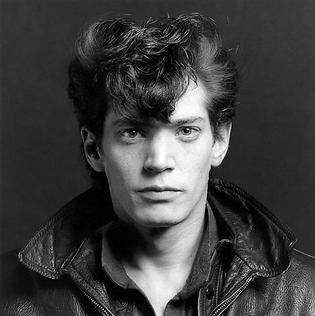
Robert Mapplethorpe, an iconic figure in the realm of photography, remains a subject of both admiration and controversy. Born on November 4, 1946, in Long Island, New York, he became a pioneer who pushed the boundaries of art and society. Mapplethorpe’s life, intertwined with his craft, reflects a journey through the tumultuous cultural landscape of the late 20th century. This article delves into the highlights of his life, the controversies surrounding his work, and his enduring legacy.
Early Life and Background
Robert Mapplethorpe was the third of six children in a Catholic, middle-class family of Irish descent. His upbringing in the conservative environment of post-war America shaped much of his later rebellion against societal norms. At the age of 16, Mapplethorpe was caught stealing a pornographic magazine—a moment he later reflected on as an early sign of his fascination with taboo and forbidden subjects. This incident marked the beginning of his exploration into themes of sexuality, identity, and the human body, which would later define his career.
Mapplethorpe attended the Pratt Institute in Brooklyn, where he initially studied drawing, painting, and sculpture. Influenced by artists like Joseph Cornell and Marcel Duchamp, he began experimenting with various materials, creating collages from magazine cutouts. These early works, though not widely recognized, laid the foundation for his later photographic style, characterized by its stark, provocative imagery.
The 1960s: Vietnam War and Counterculture
The 1960s were a period of significant social upheaval in the United States, with the Vietnam War and student protests shaking the nation. Mapplethorpe was not immune to these influences. He dropped out of Pratt Institute and began experimenting with drugs, including marijuana and LSD, which he used to escape the turmoil of the era. This period of experimentation was not just limited to substances; it was also a time when Mapplethorpe began to embrace his homosexuality more openly, a theme that would become central to his work.
During this time, Mapplethorpe met Patti Smith, a young poet who had just arrived in New York City. Their relationship was intense and transformative, both personally and artistically. The two lived together in the iconic Chelsea Hotel, a hub for artists and musicians. Mapplethorpe’s early photographs of Smith, including the famous cover for her album “Horses,” helped to establish his reputation as a photographer with a unique vision.
The 1970s: Rise to Fame
The 1970s marked the beginning of Mapplethorpe’s ascent to fame. He purchased a Polaroid camera in 1970, which became his primary tool for capturing the world around him. His early Polaroid photographs were raw, intimate, and often shocking, documenting the underground gay culture of New York City. These images, which included portraits of pornographic actors, couples in erotic poses, and self-portraits, were a stark departure from the mainstream photography of the time.
In 1970, Mapplethorpe began his first serious relationship with David Crowland, a model who introduced him to the curators at the Museum of Modern Art (MoMA). This connection helped Mapplethorpe gain access to the elite art circles of New York, where his work began to receive critical attention. His photographs from this period, often compiled in portfolios like “X Portfolio,” were both celebrated and condemned for their explicit content.
The 1980s: Artistic Maturity and Controversy
The 1980s were a period of both artistic maturity and increasing controversy for Mapplethorpe. His relationship with Sam Wagstaff, an influential curator and collector, provided him with financial stability and access to the upper echelons of the art world. Wagstaff not only supported Mapplethorpe’s work financially but also helped to shape his artistic direction, encouraging him to refine his techniques and explore new themes.
During this time, Mapplethorpe’s work became more polished and sophisticated. He began to focus on classical themes, drawing inspiration from ancient Greek and Roman art. His photographs of nudes, both male and female, were meticulously composed, with a focus on form and symmetry. These images, often printed using platinum printing techniques, were hailed for their beauty and technical mastery.
However, it was also during this period that Mapplethorpe’s work became increasingly controversial. His “X Portfolio,” a series of photographs depicting sadomasochistic scenes, sparked outrage and led to debates about the limits of artistic expression. In 1989, the Corcoran Gallery of Art in Washington, D.C., canceled a planned retrospective of Mapplethorpe’s work due to its explicit content, leading to widespread protests and discussions about censorship in the arts.
The AIDS Crisis and Legacy
In 1986, Mapplethorpe was diagnosed with AIDS, a disease that was then ravaging the gay community. Despite his declining health, he continued to work tirelessly, producing some of his most iconic images during this period. In 1988, the Whitney Museum of American Art held a major retrospective of his work, solidifying his status as one of the most important photographers of his generation.
Mapplethorpe’s battle with AIDS and his untimely death in 1989 at the age of 42 added a tragic dimension to his legacy. Before his death, he established the Robert Mapplethorpe Foundation, which continues to support the arts and fund medical research in the fight against AIDS.
Artistic Style and Influence
Mapplethorpe’s artistic style is often described as a blend of classical beauty and modern provocativeness. His photographs are known for their meticulous composition, stark contrasts, and exploration of themes like sexuality, power, and identity. He was a master of light and shadow, using these elements to create images that were both striking and evocative.
One of the most distinctive features of Mapplethorpe’s work is his focus on the human body. Whether photographing nudes, portraits, or floral still lifes, he treated his subjects with the same level of care and precision. His images of flowers, in particular, are often seen as metaphors for human sexuality, with their delicate forms and vibrant colors hinting at deeper, more complex meanings.
Mapplethorpe’s influence on photography and the broader art world cannot be overstated. He challenged traditional notions of beauty and pushed the boundaries of what was considered acceptable in art. His work opened up new possibilities for photographers, encouraging them to explore taboo subjects and experiment with form and content.
Conclusion: A Legacy of Controversy and Innovation
Robert Mapplethorpe’s life and work continue to provoke debate and inspire admiration. His photographs, whether of flowers, nudes, or erotic scenes, are more than just images—they are statements about the world we live in, the norms we challenge, and the boundaries we push. Mapplethorpe’s legacy is one of controversy and innovation, a testament to the power of art to provoke thought and evoke emotion.
As we look back on his life, it is clear that Robert Mapplethorpe was more than just a photographer—he was a trailblazer who dared to see the world differently and, in doing so, changed the landscape of contemporary art. His work remains a powerful reminder of the importance of artistic freedom and the enduring impact of a single artist’s vision.


