
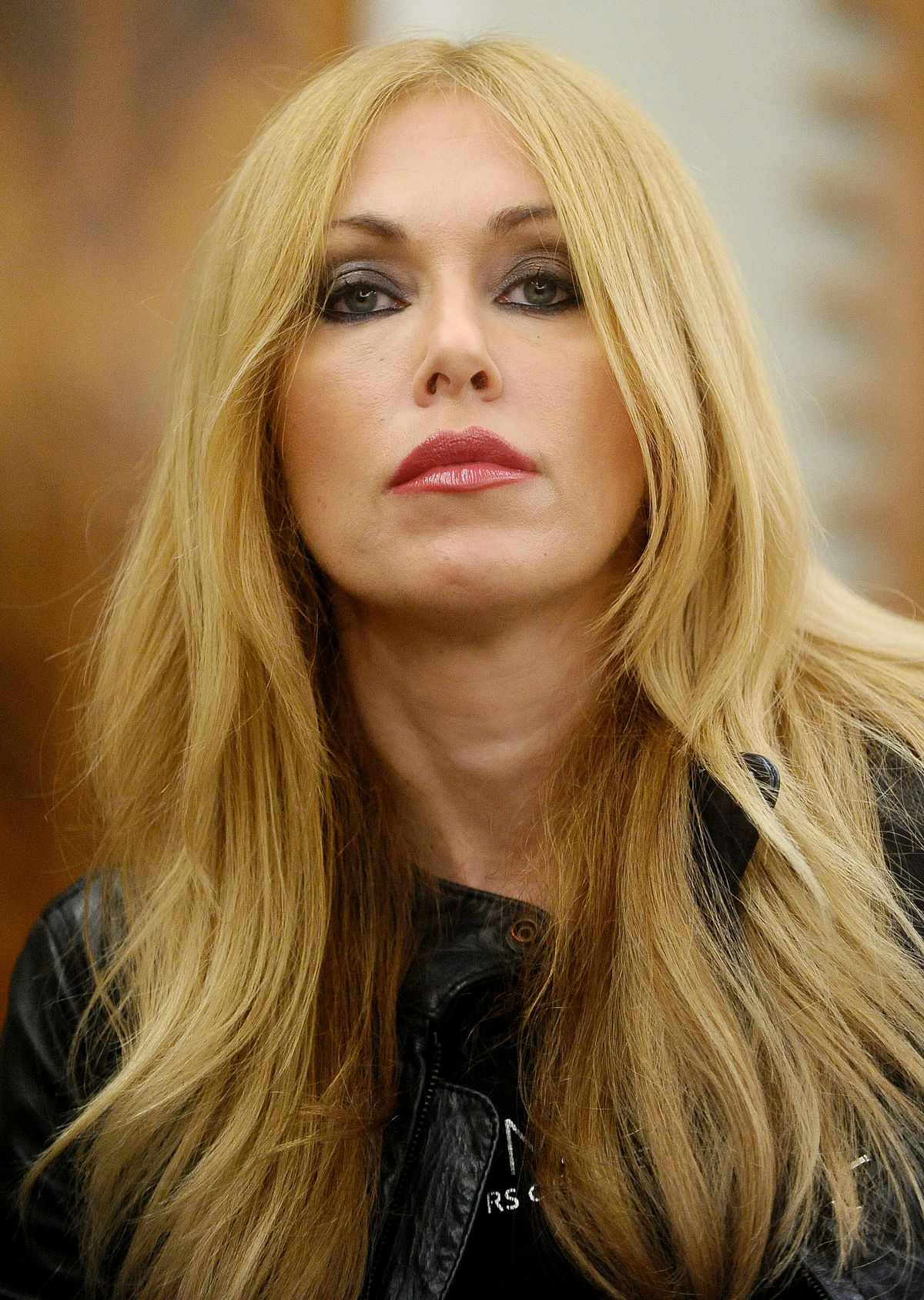
Roberta Bruzzone, born on July 1, 1973, in Finale Ligure, Savona, Italy, is a renowned criminologist, forensic psychologist, and a prominent television personality. Over the years, she has become a significant figure in Italy’s criminal justice system, widely recognized for her expertise in criminal investigations and her contributions to media discussions on high-profile cases. This article explores the life, career, and major achievements of Roberta Bruzzone, delving into her journey from an inquisitive child to a leading expert in criminology and a television icon.
Early Life and Education
Roberta Bruzzone’s interest in mystery and the criminal mind began at a young age. Growing up, she was known for her curiosity and adventurous spirit, traits that set her apart from her peers. Her father was a police officer, and his profession undoubtedly influenced her early fascination with crime and law enforcement. Instead of fearing the unknown, young Roberta was drawn to it, showing a fearless curiosity that would later define her career.
Bruzzone moved to Turin to pursue higher education, enrolling at the University of Turin, where she earned a degree in Clinical Psychology, graduating with top honors. Her academic journey did not stop there; she further specialized in Forensic Psychopathology at the University of Genoa, solidifying her foundation in the psychological aspects of criminal behavior. This specialization equipped her with the tools needed to analyze and understand the minds of criminals, a skill that would become central to her professional life.
Career Beginnings: From Criminologist to Media Personality
Roberta Bruzzone’s career as a criminologist began in earnest after completing her studies. She focused on forensic psychology, a field that involves the intersection of psychology and the law. Her work often required her to assess the mental state of individuals involved in criminal cases, providing expert testimony in court and consulting on complex investigations.
Bruzzone’s expertise in criminology quickly garnered attention, and she began appearing on television as a guest expert. Her media debut was facilitated by the famous Italian journalist and television host, Maurizio Costanzo, who recognized her potential and invited her onto his show, La Macchina della Verità (“The Machine of Truth”). This appearance marked the beginning of Bruzzone’s television career, where she would become a household name in Italy.
Her rise to fame on television was further propelled by her involvement in some of Italy’s most notorious criminal cases. One of the most significant was her role as a defense consultant for Michele Misseri during the investigations into the murder of Sarah Scazzi, a case that shocked the nation and received extensive media coverage. Bruzzone’s analysis and insights into the case were highly publicized, solidifying her status as a leading criminologist in Italy.
In addition to her work on the Sarah Scazzi case, Bruzzone also contributed to discussions on other high-profile cases, including the Erba massacre, further expanding her influence in the field of criminology. Her ability to explain complex psychological concepts in an accessible way made her a popular figure on Italian television, where she provided expert commentary on criminal cases and forensic investigations.
Television Success and Literary Contributions
Roberta Bruzzone’s success on television extended beyond her guest appearances. She went on to host her own shows on the Real Time network, including Donne Mortali (“Deadly Women”) and La Scena del Crimine (“The Crime Scene”), where she explored various aspects of criminology and forensic science. These shows allowed her to delve deeper into the psychology of criminals and the intricacies of criminal investigations, providing viewers with a unique perspective on the cases she covered.
Bruzzone’s television presence also led to her becoming a regular guest on Porta a Porta, a popular talk show on Rai Uno hosted by Bruno Vespa. Her authoritative voice on matters of crime and justice resonated with the audience, further cementing her reputation as a leading criminologist.
Beyond television, Roberta Bruzzone is also an accomplished author. In 2012, she published her first book, Chi è l’assassino: Diario di una criminologa (“Who is the Killer: Diary of a Criminologist”), where she shared her experiences and insights from her work as a criminologist. The book offered readers a behind-the-scenes look at the world of criminal investigations, highlighting the challenges and complexities of solving crimes.
In 2018, she published Io non ci sto più: Consigli pratici per riconoscere un manipolatore affettivo e liberarsene (“I’m Done: Practical Advice for Recognizing and Escaping an Emotional Manipulator”), a book aimed at helping individuals identify and break free from toxic relationships. This work demonstrated Bruzzone’s commitment to using her expertise to empower others, particularly in the context of personal safety and mental health.
In 2020, Bruzzone co-authored Favole da incubo: Dieci (più una) storie di femminicidi da raccontare per impedire che accadano ancora (“Nightmare Tales: Ten (Plus One) Stories of Femicide to Tell to Prevent Them from Happening Again”) with Emanuela Valente. The book examines the issue of femicide in Italy, using real-life cases to highlight the dangers women face and the importance of societal change to prevent such tragedies.
Personal Life and Public Image
Roberta Bruzzone’s personal life has also been the subject of public interest, though she has generally kept it private. In 2011, she married Massimiliano Cristiano, but the marriage ended in 2015. Despite their separation, it is reported that they remained on good terms. In 2017, Bruzzone married Massimo Marino, a State Police officer. Their wedding, held on the beach in Fregene, Rome, was a reflection of Bruzzone’s unique style, with her wearing a distinctive lace bodice and silk skirt, adorned with a floral crown.
Despite her strong on-screen presence, Bruzzone has been candid about the challenges of balancing her public and private lives. She and her husband, both having demanding careers, often spend time apart due to their professional commitments. Bruzzone has also been open about her decision not to have children, citing personal reasons for her choice.
Bruzzone’s striking appearance and strong personality have made her a target for satire and parody, most notably by comedian Virginia Raffaele, who impersonated her on Italian television. While the public found the impersonation amusing, Bruzzone herself was not pleased, stating that it portrayed her in a negative light and disrespected her professional work.
Beyond her media persona, Bruzzone is known for her love of motorcycles, a passion she inherited from her father. Riding her motorcycle is one of her favorite ways to unwind after a long day, providing her with a sense of freedom and release from the stresses of her job.
Legacy and Influence
Roberta Bruzzone’s career has had a significant impact on both the field of criminology and the way criminal cases are covered in the media. Her ability to bridge the gap between forensic science and public understanding has made her a key figure in Italy, where she has helped to demystify the complexities of criminal investigations for the general public.
Bruzzone’s contributions go beyond her television appearances and books; she has also played a crucial role in shaping public discourse around issues of crime, justice, and personal safety. Her work has highlighted the importance of understanding the psychological aspects of criminal behavior, not only for solving crimes but also for preventing them.
As a criminologist, Bruzzone has been involved in numerous high-profile cases, where her insights have been invaluable in understanding the motives and actions of criminals. Her work has not only aided law enforcement in solving crimes but has also provided victims and their families with a deeper understanding of the events that have shaped their lives.
In addition to her professional achievements, Bruzzone’s public image as a strong, intelligent, and independent woman has made her a role model for many. Her willingness to speak out on issues such as emotional manipulation and femicide has empowered others to take control of their lives and seek help when needed.
Conclusion
Roberta Bruzzone’s life and career exemplify the impact that a dedicated and knowledgeable professional can have on both the field of criminology and the broader public. Her work has not only advanced the understanding of criminal behavior but has also brought critical issues related to crime and justice into the public eye. As she continues to work as a criminologist and media personality, Bruzzone’s influence will likely continue to grow, leaving a lasting legacy in the fields of forensic psychology and criminal justice.
Her journey from a curious child to a leading expert in criminology and a television icon serves as an inspiration to many, demonstrating the power of passion, dedication, and expertise in making a difference in the world.


